Learn why purchasing wildlife from markets or the pet trade - even with the best intentions - only fuels more cruelty and suffering.
When “Cute Pets” Become Wildlife Rescues: A Troubling Trend at WFFT
Over the past few weeks, we have taken in a number of new arrivals, who have all been confirmed or suspected ex-pets.
Two Asian small-clawed otters, one slow loris, and three sugar gliders have recently come into our care. These are all species that cannot legally be kept as pets in Thailand, or are part of the growing issue of the exotic pet trade.
Wild animals are being removed from their natural habitats or bred in poor conditions, sold as novelty companions, and later surrendered when their needs prove too complex to manage.
Small-Clawed Otters
Small-clawed otters are one of the most frequently trafficked mammals in Southeast Asia. Keeping them as pets is illegal in Thailand, yet they are still taken from the wild and sold through networks, often ending up in environments that cannot meet their physical or behavioural needs.
Pudding: The Otter Who Should Never Have Been a Pet
One of our recent rescues came from central Hua Hin – a young Asian small-clawed otter now named Pudding. There are no wild otters in this area, and her unusually friendly behaviour suggested she had been raised in a home.
Sadly, this is something we see often. Despite their cute appearance online, Asian small-clawed otters are protected in Thailand and cannot legally be kept as pets. They are difficult to care for, highly vocal, and come from a trade that causes immense suffering.
Pudding is now safe at WFFT, spending her days splashing in her tub and enjoying fresh fish. Our team will monitor her as she settles in, and we hope she may eventually be introduced to another rescued otter for companionship.
She isn’t the only one. Another small-clawed otter recently arrived at WFFT, also suspected to be an ex-pet. Both show clear signs of coming from unsuitable environments – a reminder of how important it is to keep wildlife in the wild.
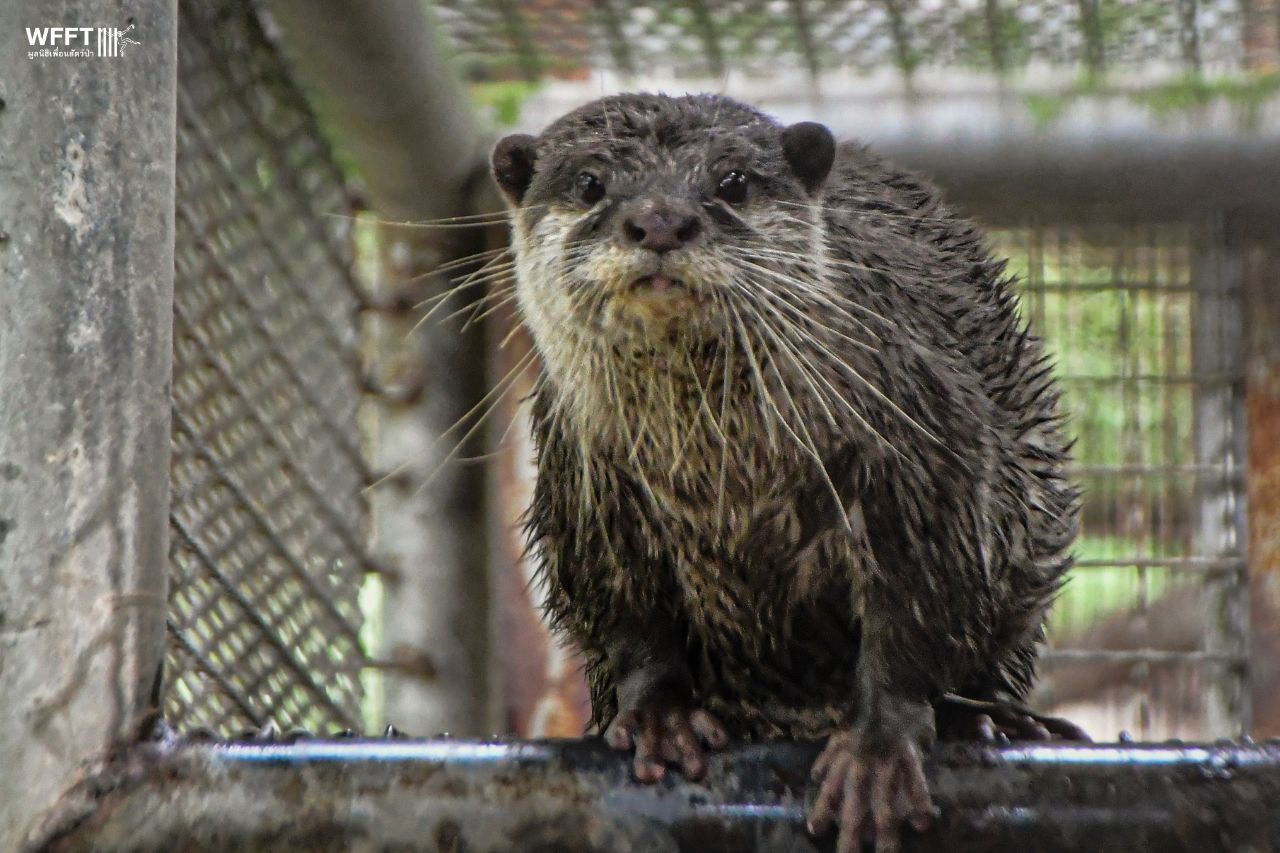
Pudding in quarantine
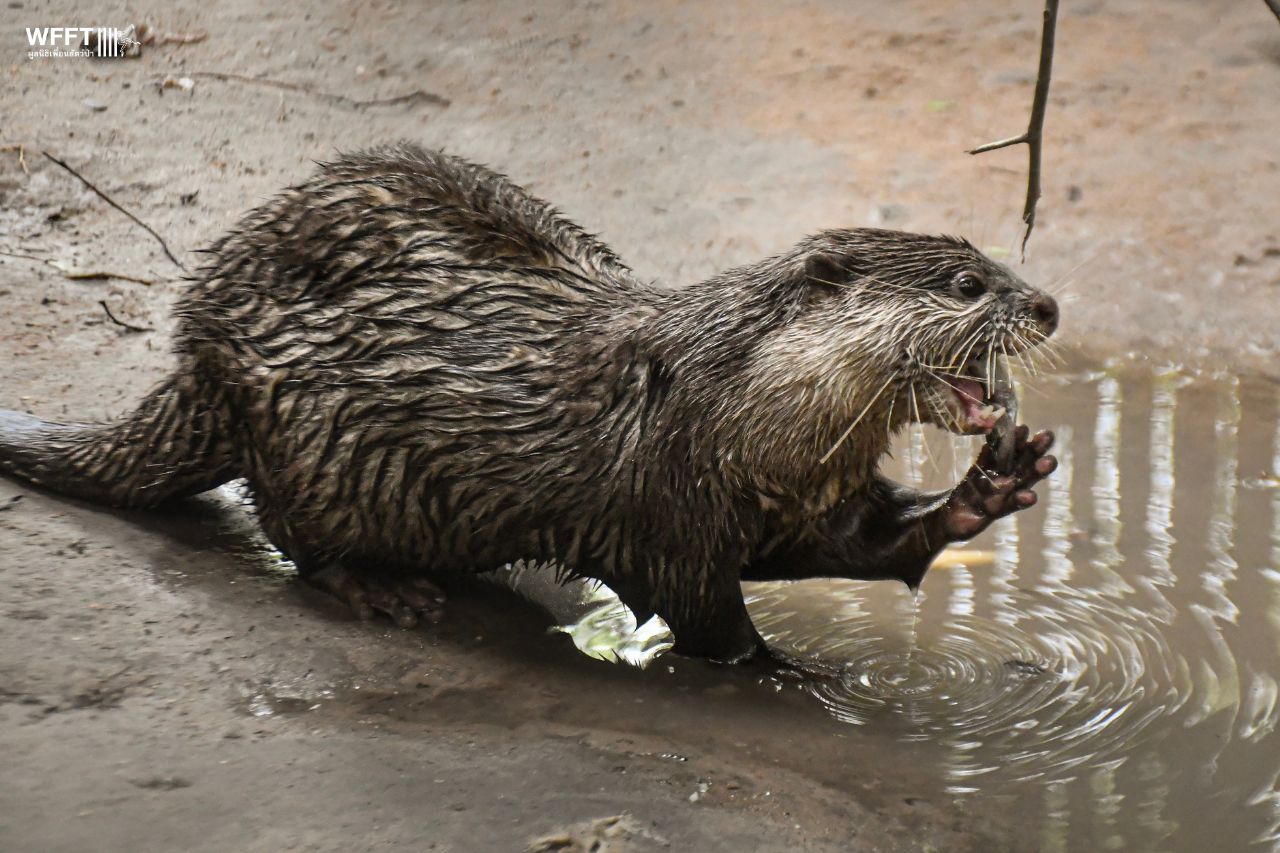
Pudding enjoying a fish during her quarantine period
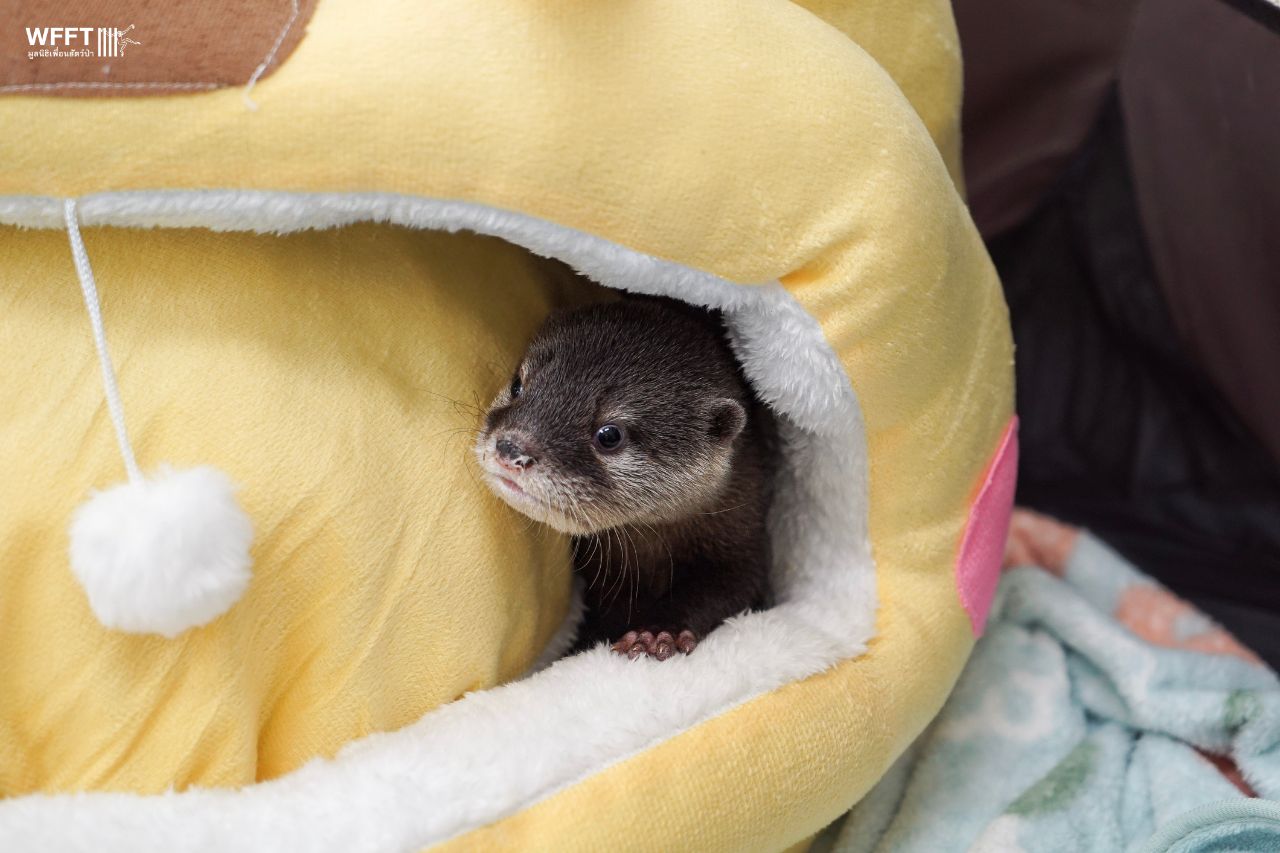
Infant otter arriving at WFFT
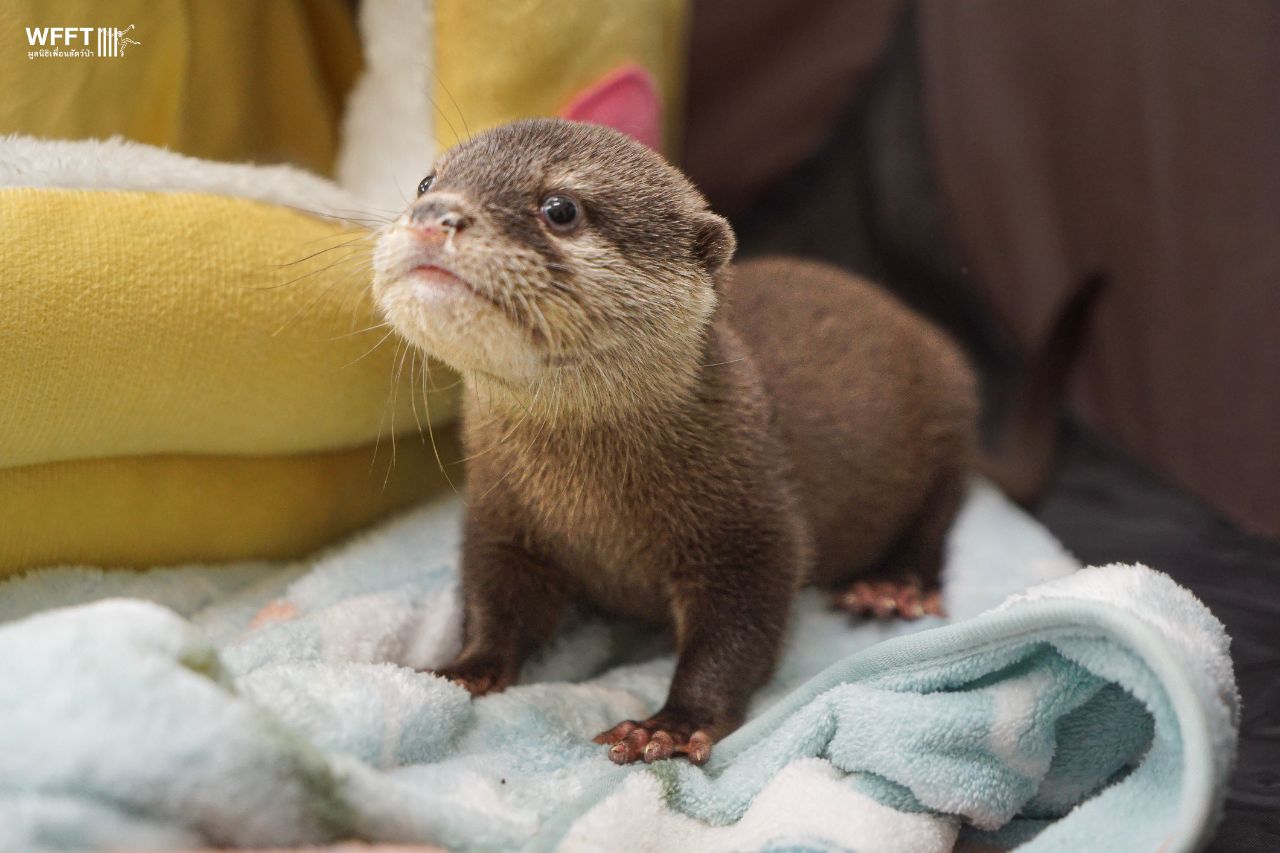
Infant otter arriving at WFFT
Slow lorises
In Thailand, many slow lorises are exploited both as pets and as photo props for tourists. Many have their teeth removed to prevent biting.
These animals often suffer from stress, poor nutrition, and lasting psychological effects.
Leyla, the young loris who recently arrived at WFFT, shows classic signs of human handling and captivity – another victim marketed as a “cute pet.” Leyla was found in a touristy area in Phuket, most likely a photo prop or ex-pet who was dumped by exploiters knowing their actions are illegal.
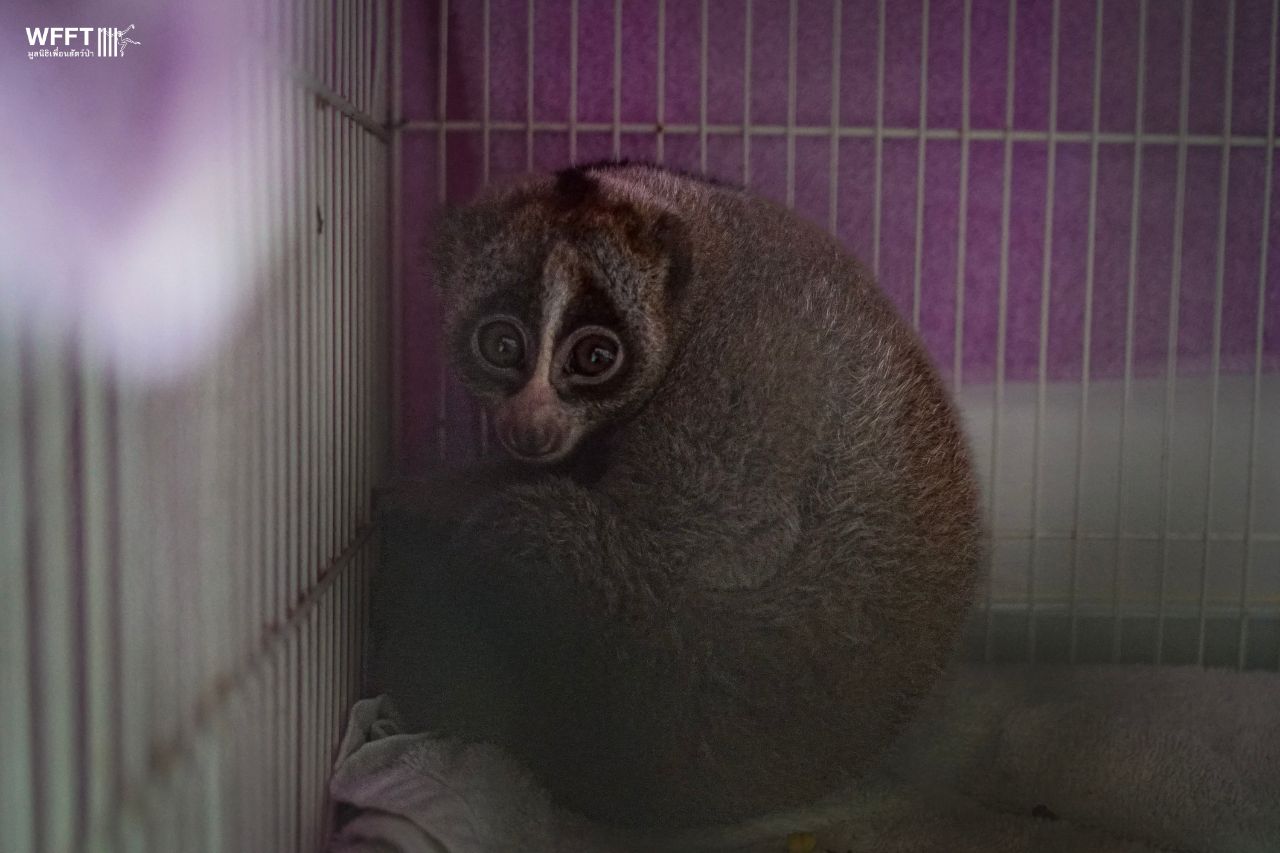
New slow loris, Leyla
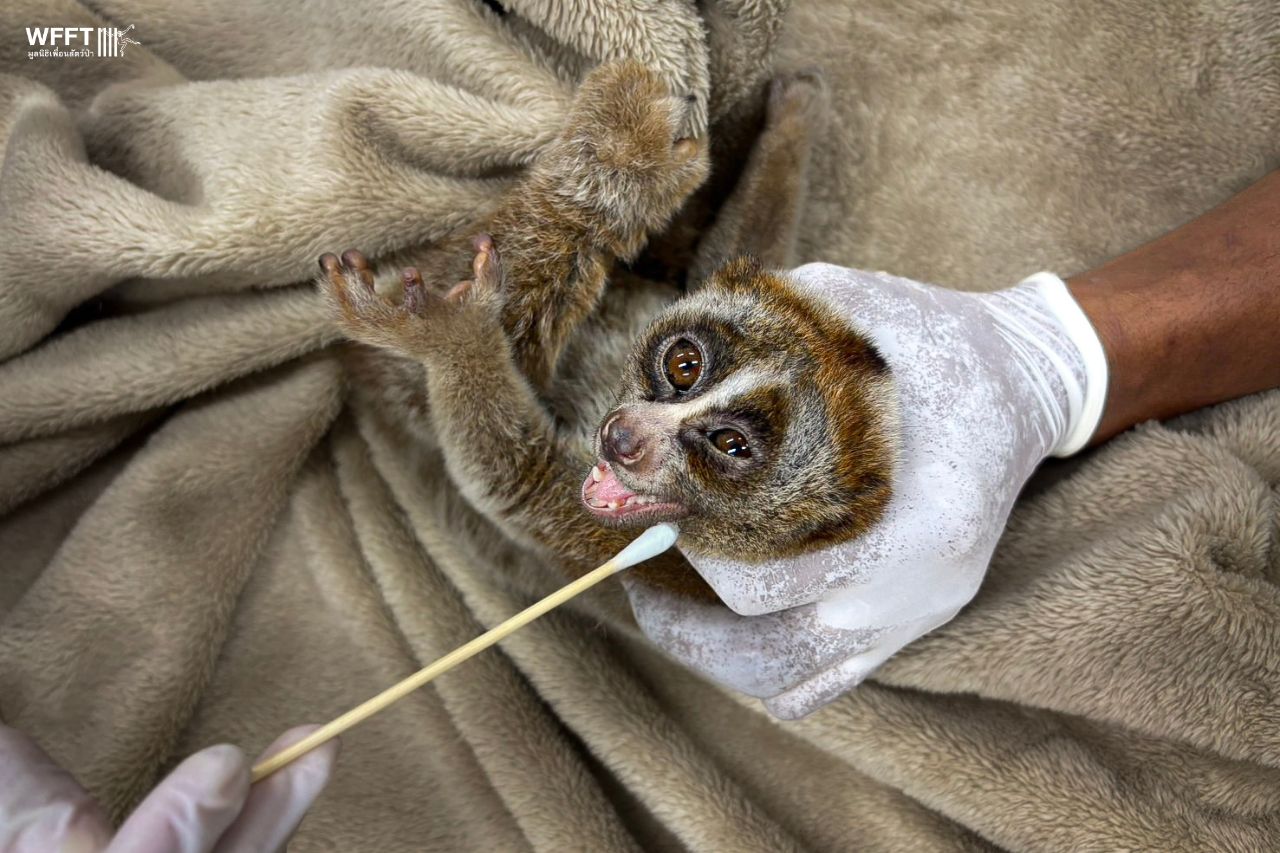
New slow loris, Leyla
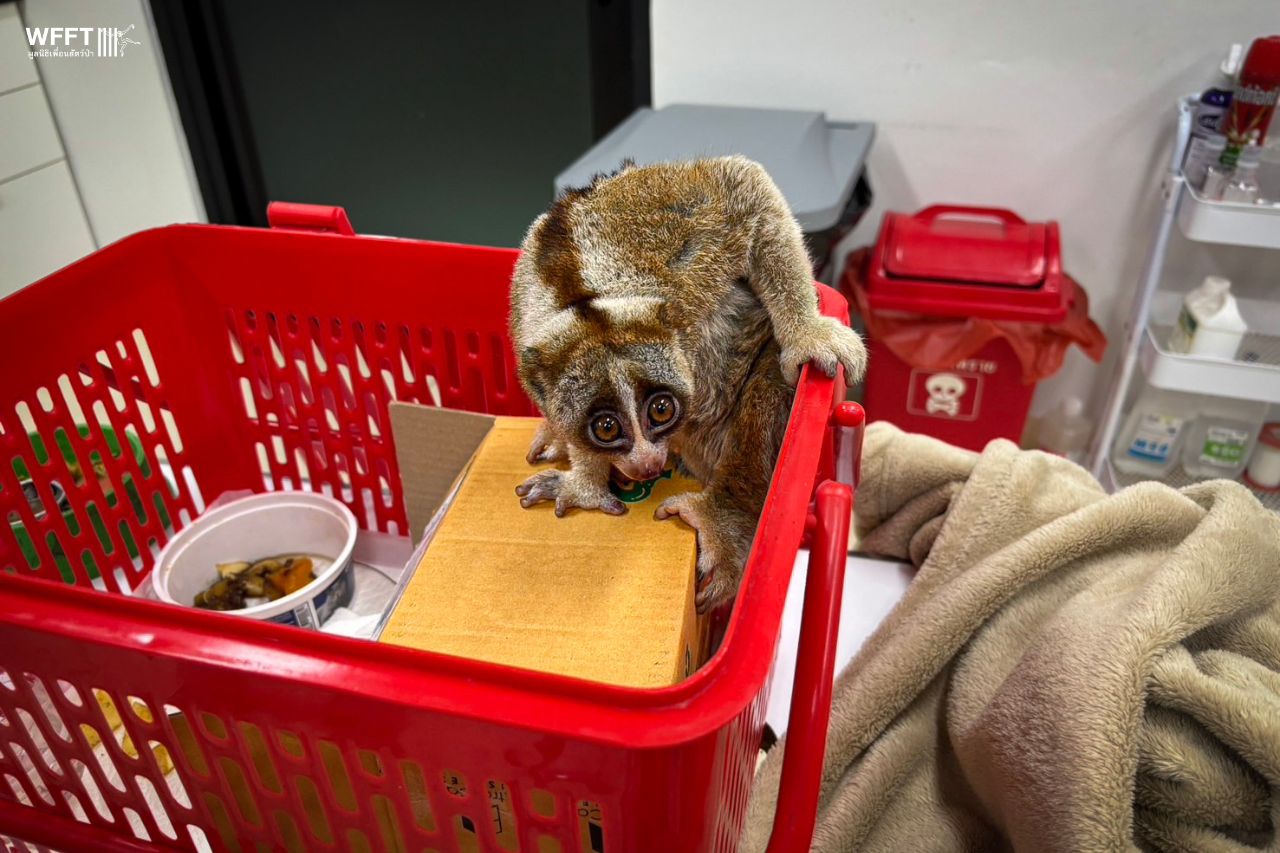
New slow loris, Leyla
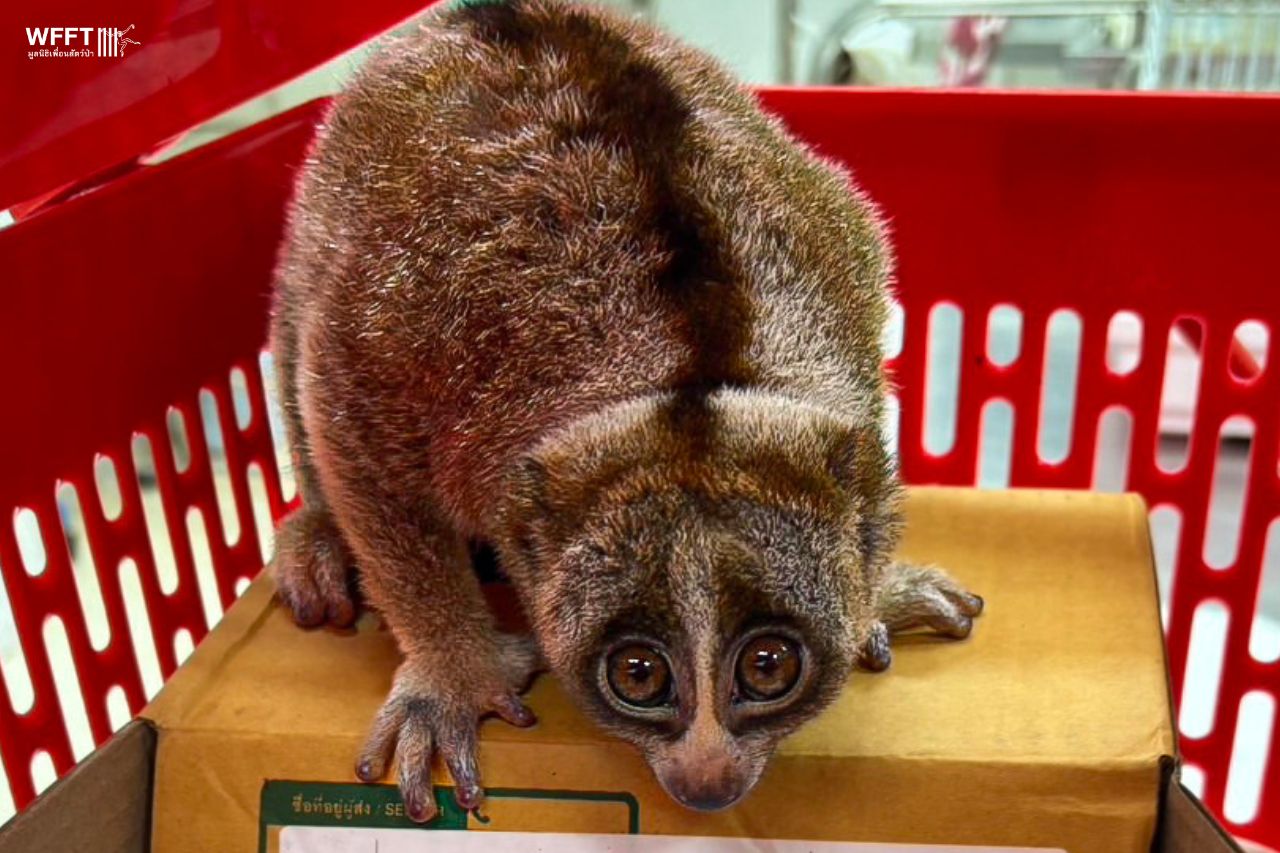
New slow loris, Leyla
Sugar gliders
Sugar gliders may look adorable, but their journey into the exotic-pet market is often anything but. Across Asia, growing demand has fuelled both large-scale commercial breeding and illegal smuggling. Many gliders are taken from the wild, pushed through underground networks, and sold with incomplete or falsified paperwork.
The three recently rescued sugar sliders now at WFFT reveal the hidden cost of this trade. Timid, underweight, and unsure of their surroundings, the animals showed clear signs of neglect.
Sugar gliders aren’t even native to Thailand, yet they’re increasingly sold as fashionable pets. Welfare groups warn that these social, wide-ranging animals suffer in captivity, especially when kept alone or in cramped enclosures.
Behind every “cute” exotic pet is a story we don’t see. Let’s make sure their welfare comes before trends.
Why This Matters
Each time a wild species is purchased as a pet, featured in videos, or promoted in cafés, demand increases and more animals are taken from the wild or pushed into stressful, unsuitable environments.
These recent rescues are a reminder that this issue isn’t distant. It’s unfolding locally, and the effects are being felt right now.
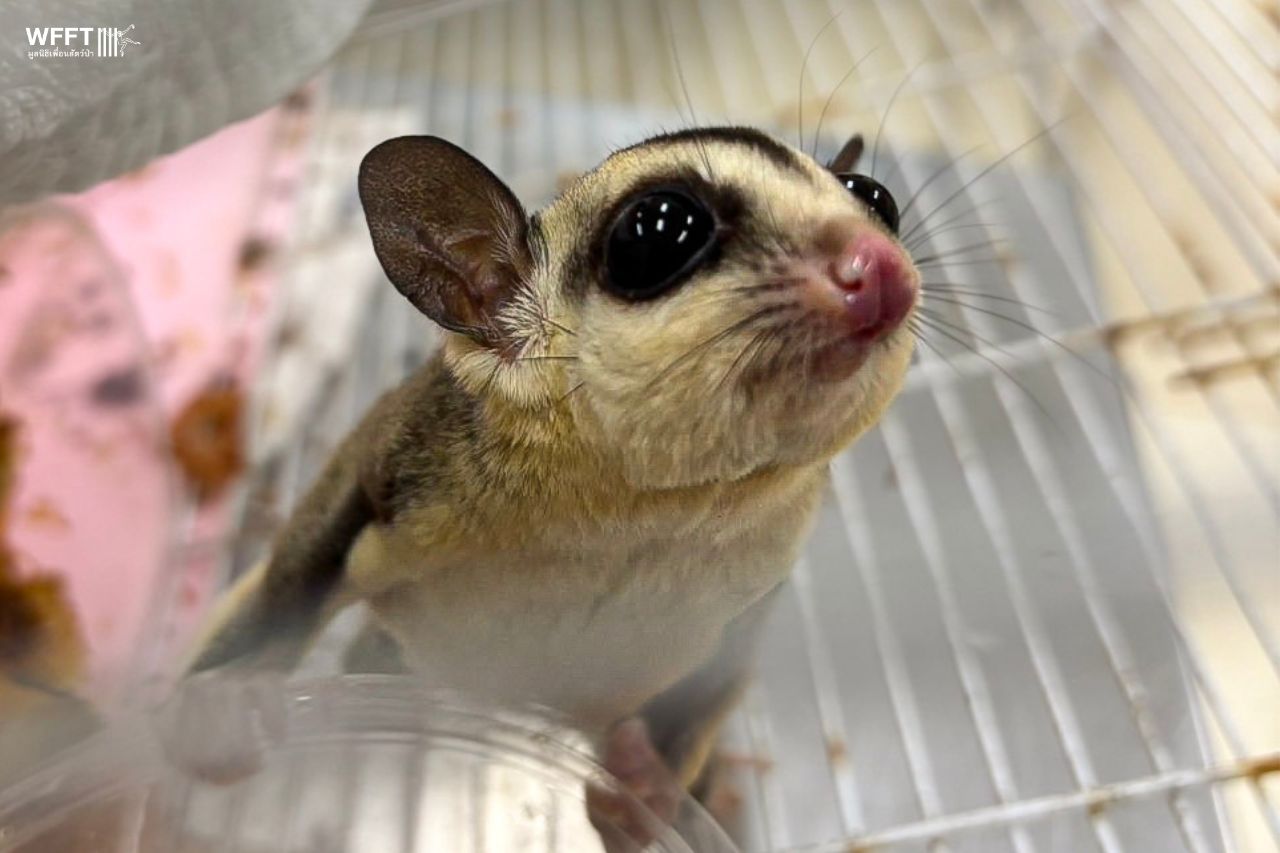
Three new sugar gliders
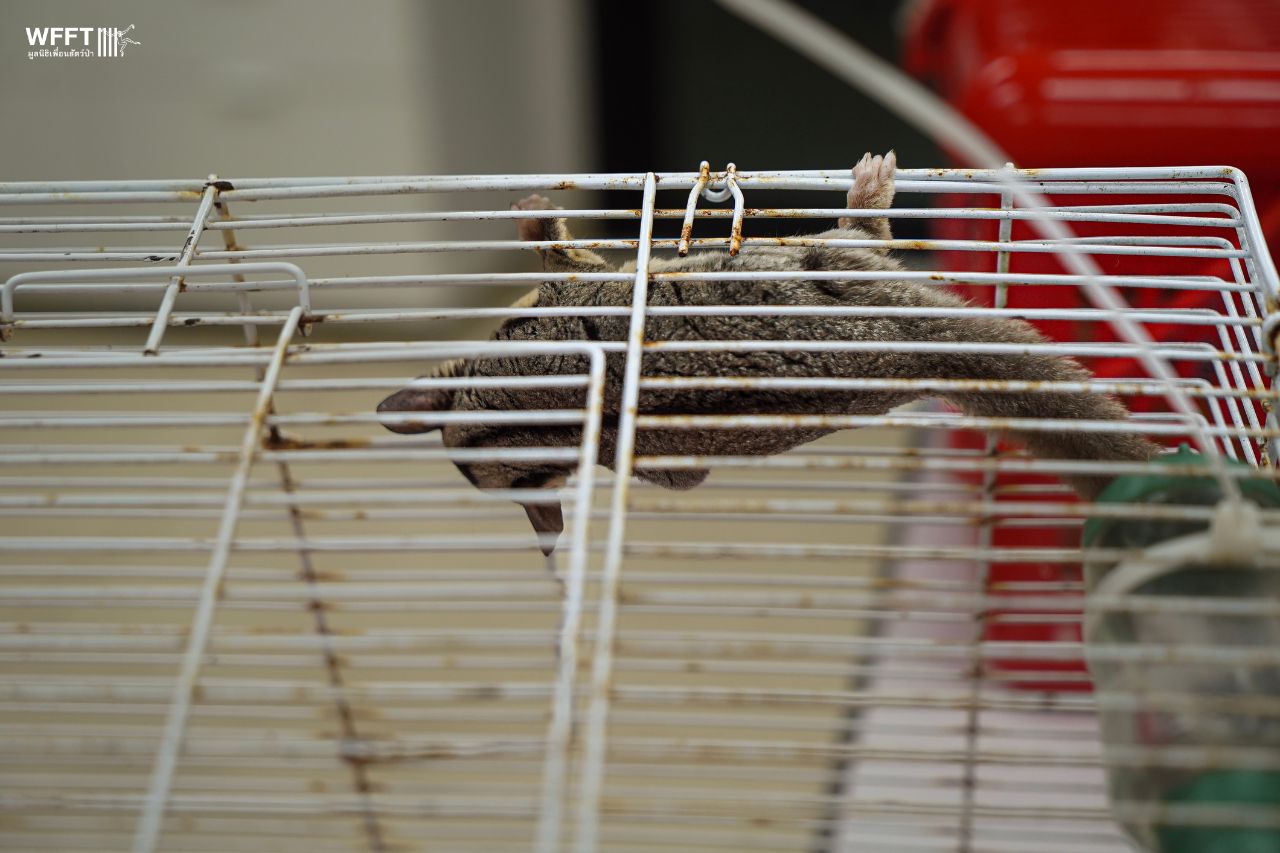
Three new sugar gliders
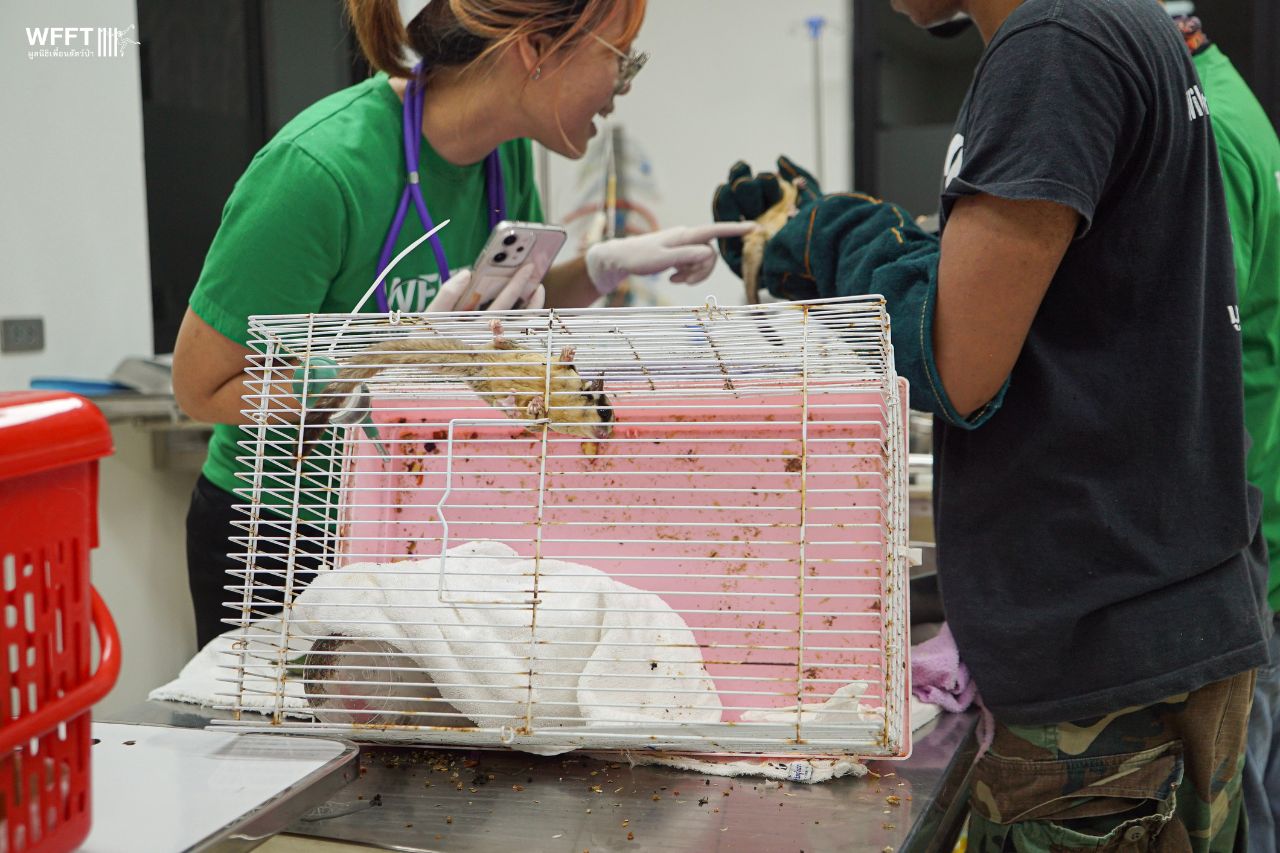
Three new sugar gliders
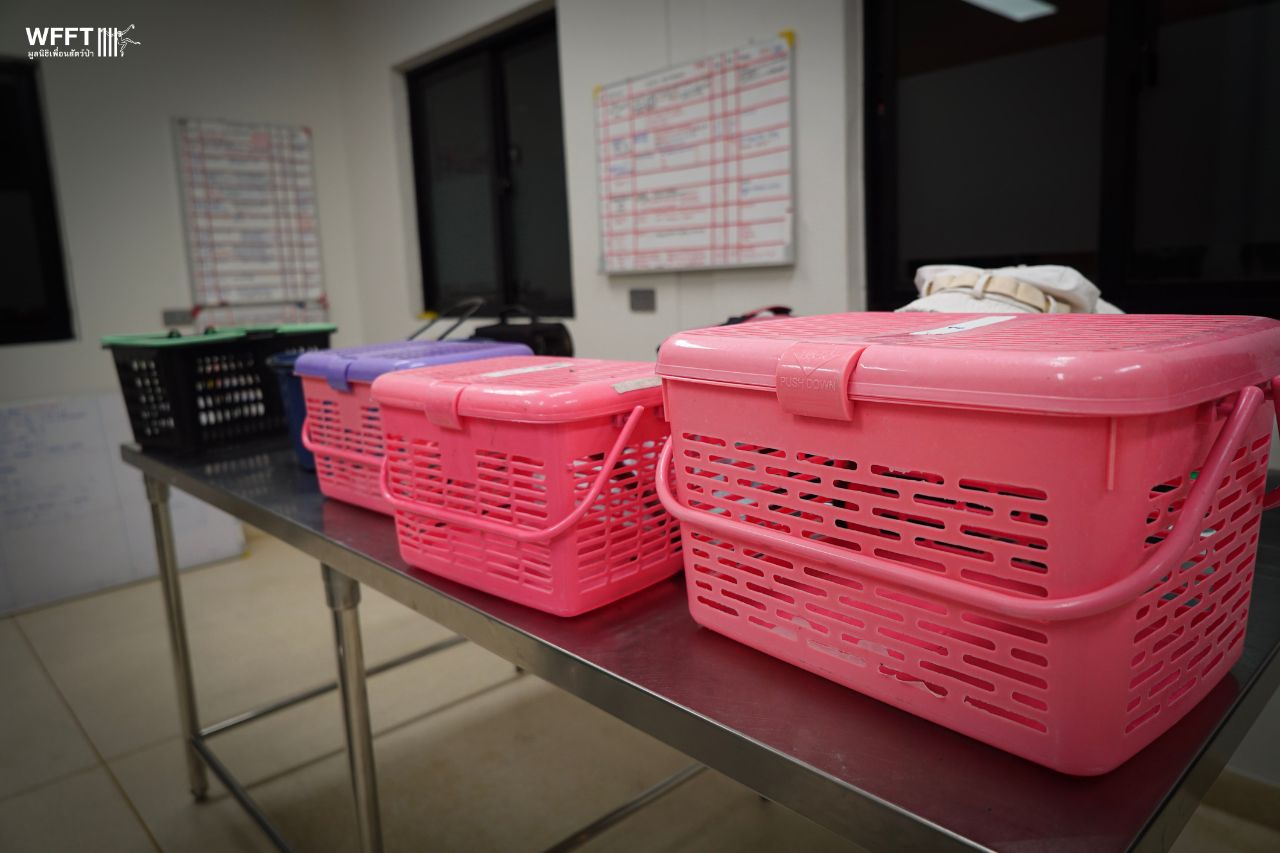
Three new sugar gliders
A Bigger Problem Than Many People Realise
The arrival of so many suspected ex-pets in such a short time reflects a wider trend across Southeast Asia: more and more wild animals are being kept as companions, photo props, or for online content.
When species like lorises, otters, or sugar gliders are bought or handled for entertainment, it increases demand – and with it, the number of animals taken from the wild, moved through illegal networks, or kept in unsuitable conditions. These are the same issues we highlight in our Wildlife Watch reports, from airport seizures to social-media sales and café displays.
Sanctuary Isn’t a Solution
At WFFT, we take in those in urgent need. But even the best sanctuary cannot replace a wild habitat or undo years of stress. Furthermore, as a non-profit organisation, we do not have endless resources to provide life-long care to unwanted ‘pets’. These species belong in forests, wetlands, and natural social groups – not in homes or cafés.
How You Can Help
- Avoid liking or sharing content that features wild animals as pets
- Report wildlife sales or abuse when you see them
- Support organisations working to protect animals from exploitation
- Help spread the message that wild animals are meant to stay wild
The stories of these recent rescues are a reminder of how important awareness and responsible choices are. Together, we can help reduce demand and prevent more animals from suffering.
Related Posts