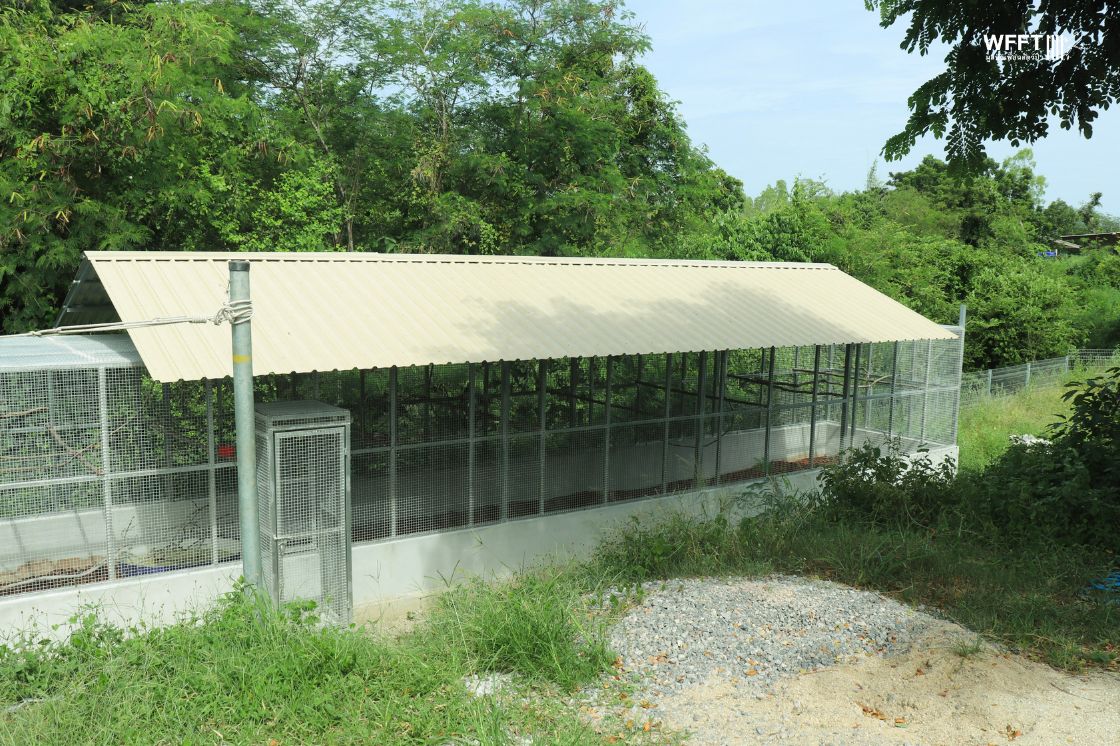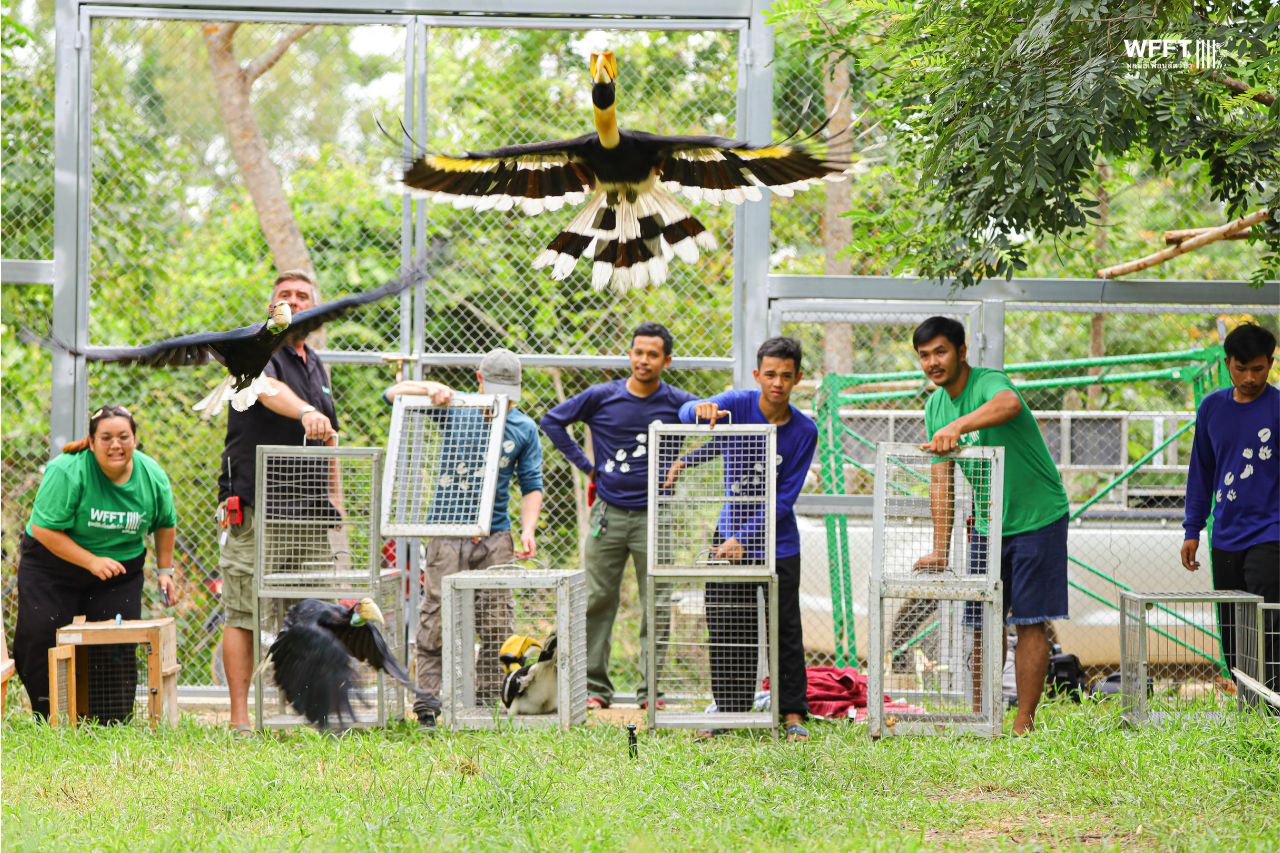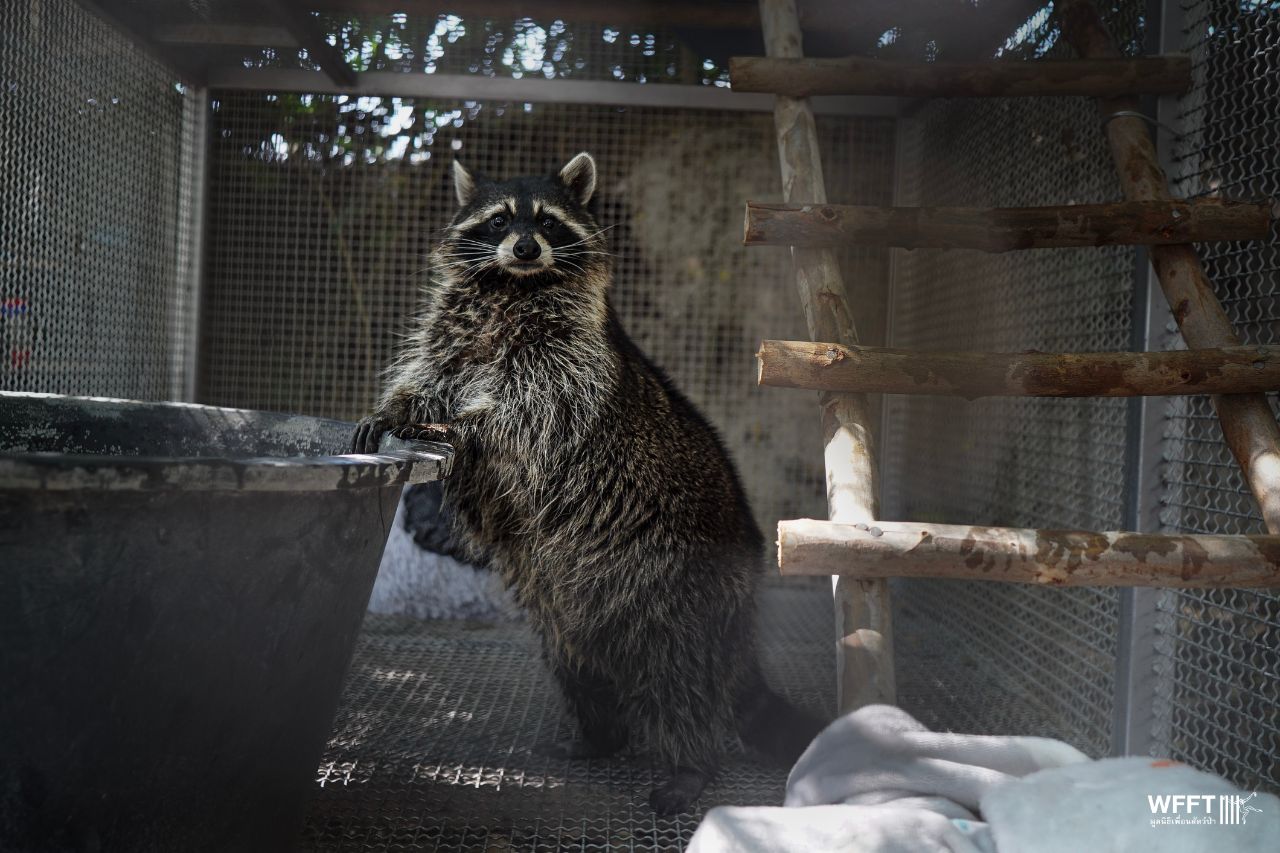
New wildlife rehabilitation enclosures, providing vital care and recovery space for injured, sick and orphaned wildlife.
The Hidden Cost of a Selfie: The Truth About Lion Cafés
A café claiming to house “rescued” lion cubs? Unfortunately, this is far from the truth.
We receive hundreds of messages after viral videos expose the exploitation behind lion cafés. While this awareness is vital, many other videos continue to promote these venues as “cute” and “fun” – without realising the suffering behind the scenes. Read our report on the Shocking Rise in Farmed and Captive Lions in Thailand and our Urgent Call for Government Action.
Lions are not native to Thailand, and these cubs will never be released into the wild. They face a lifetime of captivity – simply to satisfy demand for close encounters. These lion cubs are not rescued. They are bred and rented or purchased from horrendous lion farms, where cubs are taken from their mothers at just a few weeks old. They are used for photos and cuddles until they grow too big – then, most are sent back to farms for breeding or face an even darker fate. These lions are exploited at every point of their lives.
The conditions in these farms are dire. Lions are kept in barren cages for life, with females repeatedly bred to produce cubs for tourist attractions. All for a fleeting photo opportunity.
Unfortunately, with the correct paperwork, it is legal to own a lion in Thailand.
Many people are particularly concerned about whether the lions are sedated – but that is just one part of a much bigger issue. Whether drugged or not, these animals should not be in cafés or used for human entertainment. The real problem is that they should never have been bred in the first place.
Wildlife interactions are never ethical
It’s not just lions. Any person or venue offering hands-on experiences with wildlife – whether it’s elephants, tigers, primates such as orangutans and slow loris, dolphins, or other animals – is exploiting them. We understand that animal lovers want to connect with wildlife, but true respect means observing animals from a distance in their natural environment, not forcing interactions for profit and entertainment.
What can you do?
- Don’t like, share, or comment on videos featuring captive lions in a fun or positive way
- Don’t visit places where you can interact with lions
- Don’t pay for shows with big cats or any wildlife
- Don’t pay to bottle-feed lions/ take photos with lions or any animal
- Send a report through our Report Illegal Wildlife Trade form, and we’ll provide information on how to report this to the authorities. The more people who raise concerns, the more likely it is that action will be taken.
Report to the authorities
Please report any observations to the Department of National Park, Wildlife and Plant Conservation (DNP), which oversees wildlife management in Thailand, including the regulation of animals kept in private possession or zoos. They can be contacted via:
Phone: 1362
Facebook: DNP Facebook
Email: complain@dnp.mail.go.th or hotline1362@hotmail.com
For lions and other non-native wildlife listed under the CITES convention, please contact:
Phone: 095 314 5484 / 02-5610777 / 2912
Email: exocites@gmail.com or iwt_cites@dnp.mail.go.th or citesthailand@yahoo.com
Facebook: Non-Endemic Wildlife Management & CITES Thailand
While our organisation, as an NGO, does not have jurisdiction to directly investigate wildlife venues or seize wildlife, we do report cases of animal cruelty, exploitation, and possible illegal trading to the authorities.
If tourists stop paying for these experiences, the cycle of exploitation can end. Real rescue centres never allow wild animal interactions -because true animal welfare and conservation puts the animals first.
Help spread awareness. Together, we can make a difference.
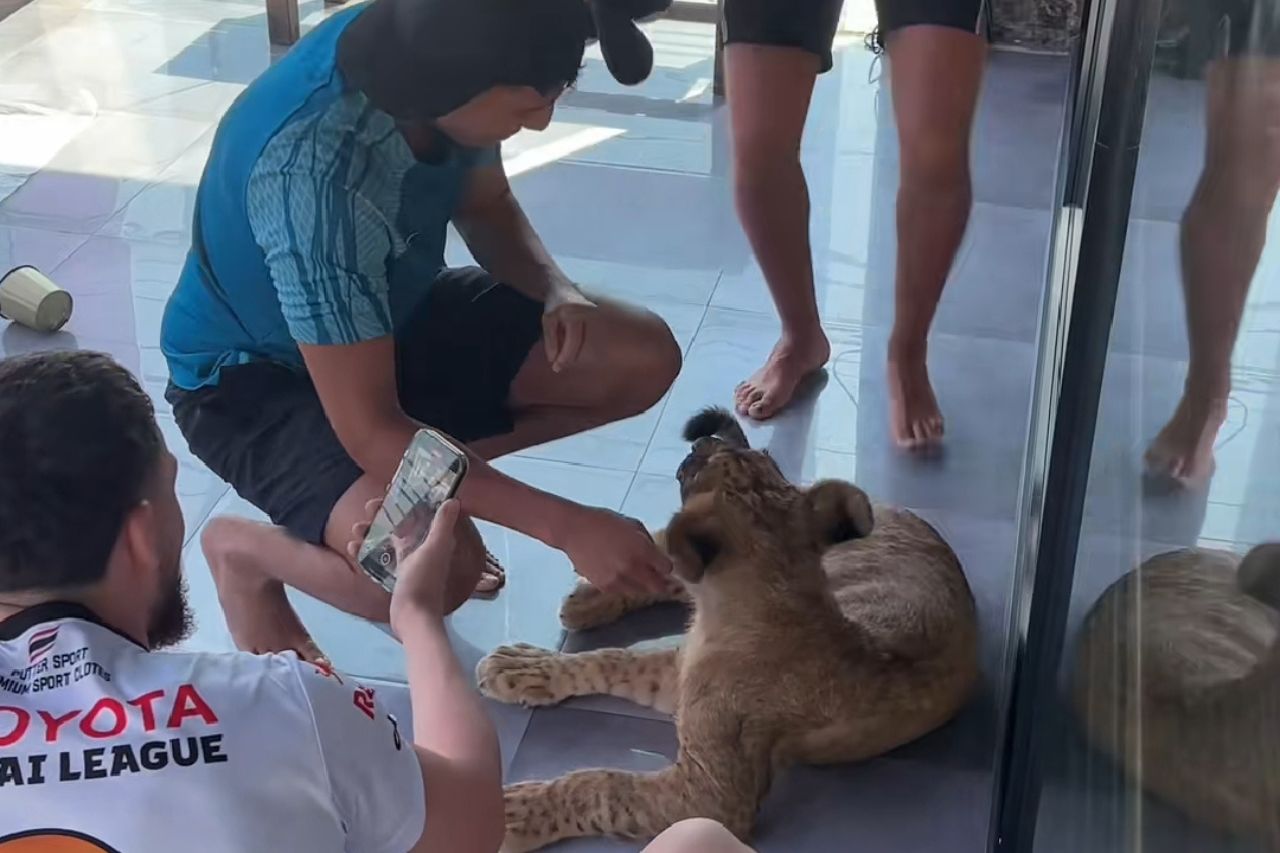
Lion cub agitated while being handled by tourists
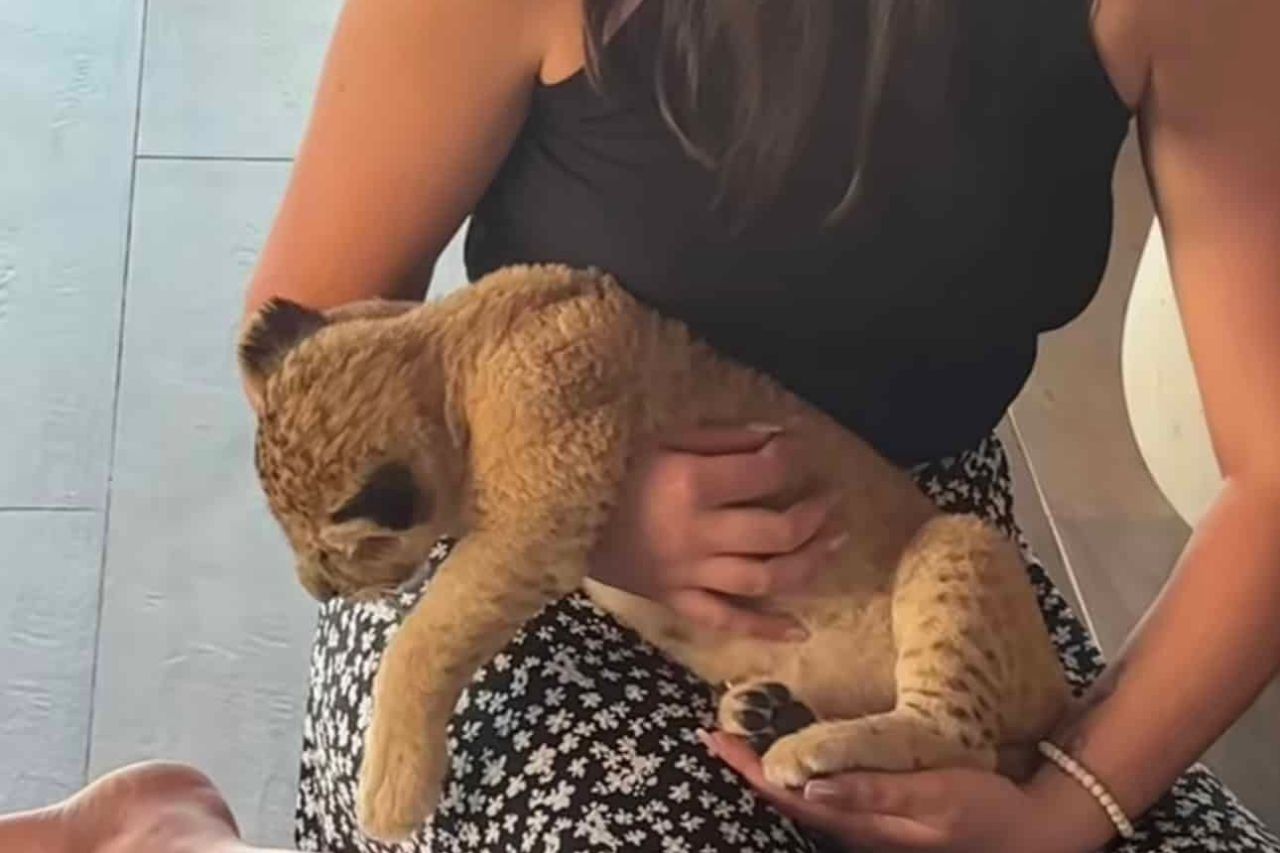
Lion cub handed around to paying tourists
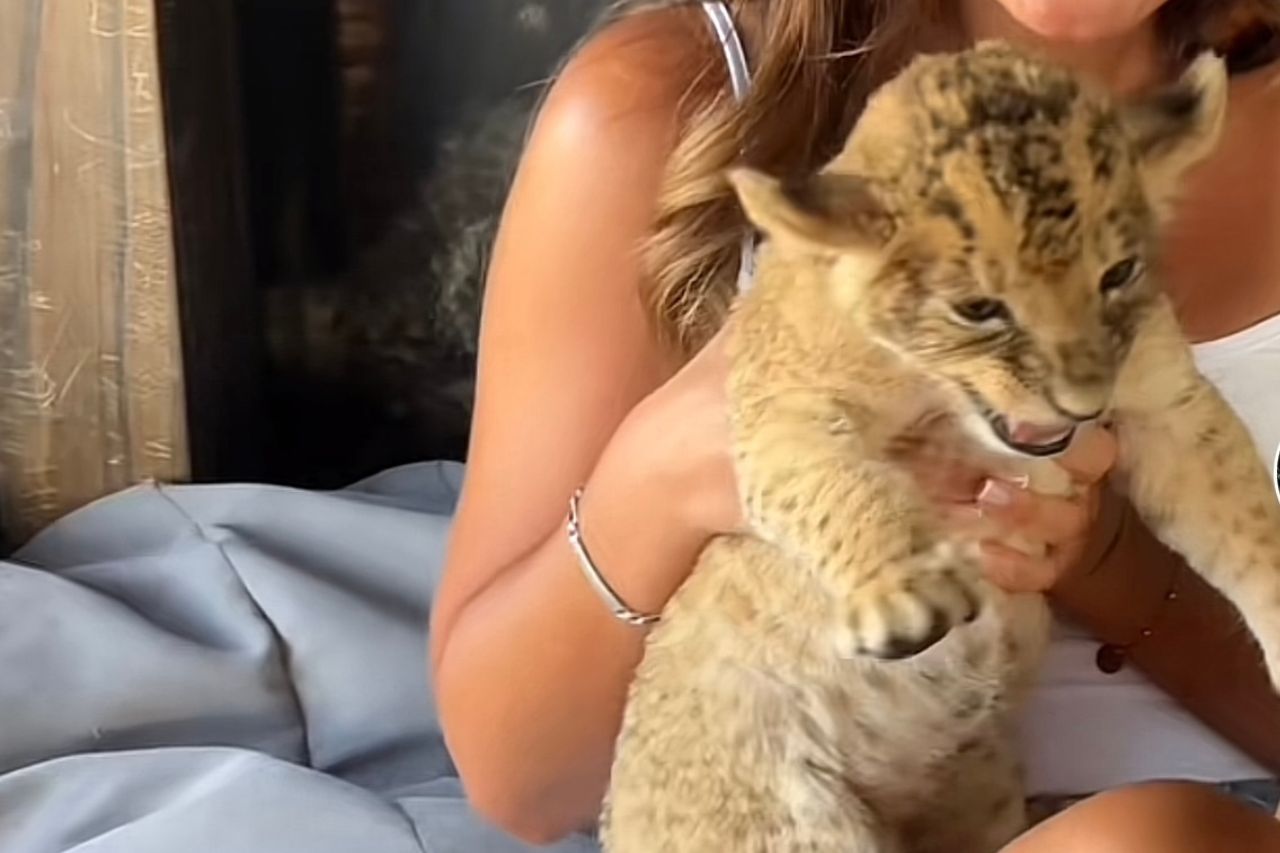
Lion cub forced to interact with people for money
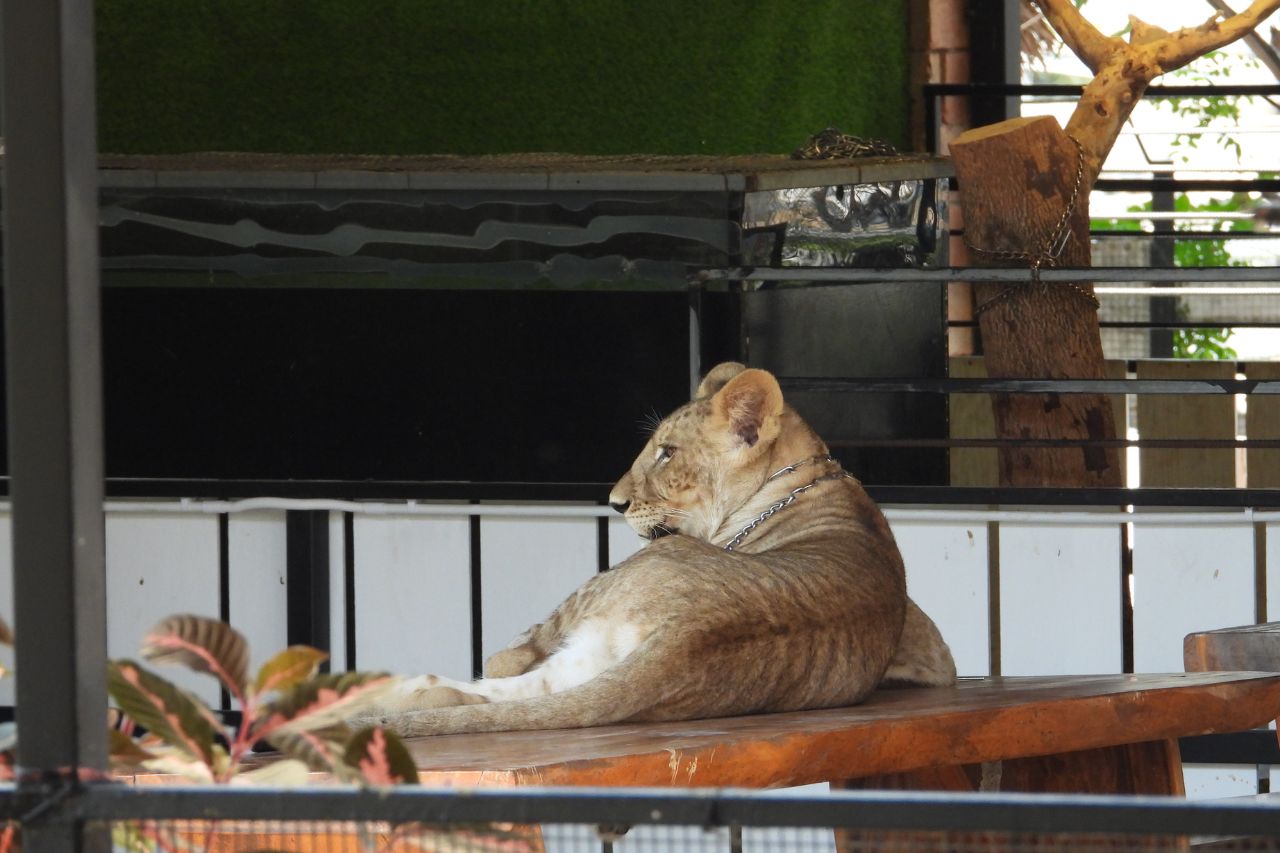
A captive lion kept chained to the table, waiting for tourists to stop for photos
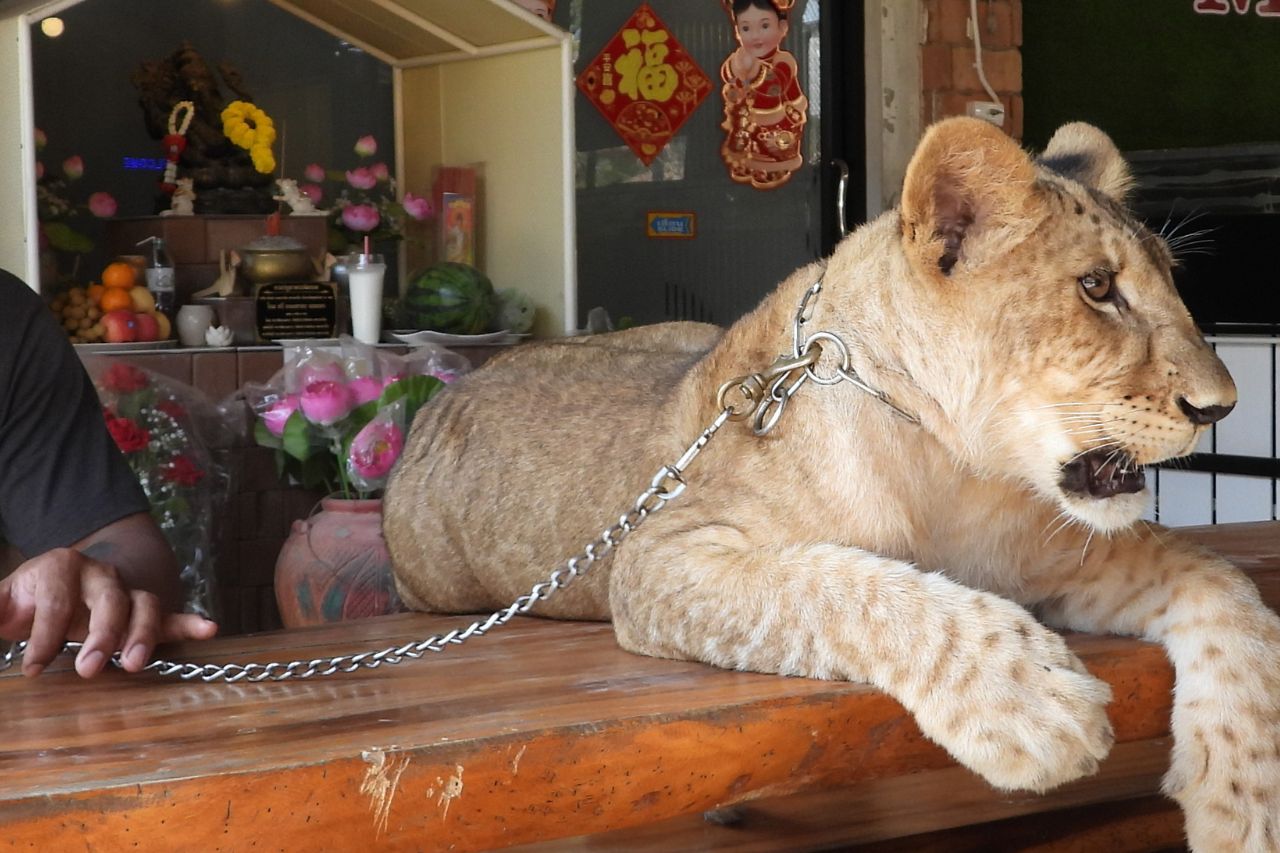
A captive lion chained and on display for tourists to enjoy
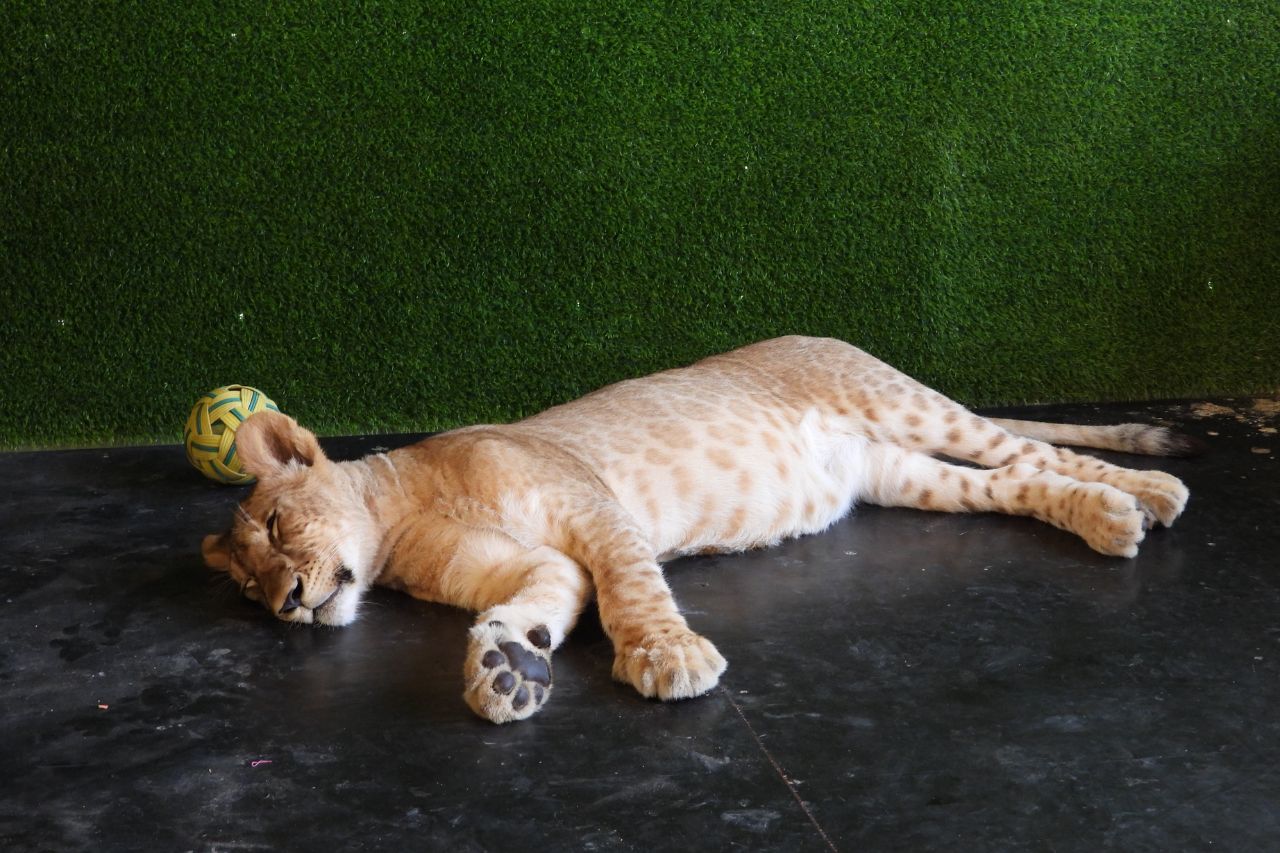
A captive lion sleeping in between photo sessions
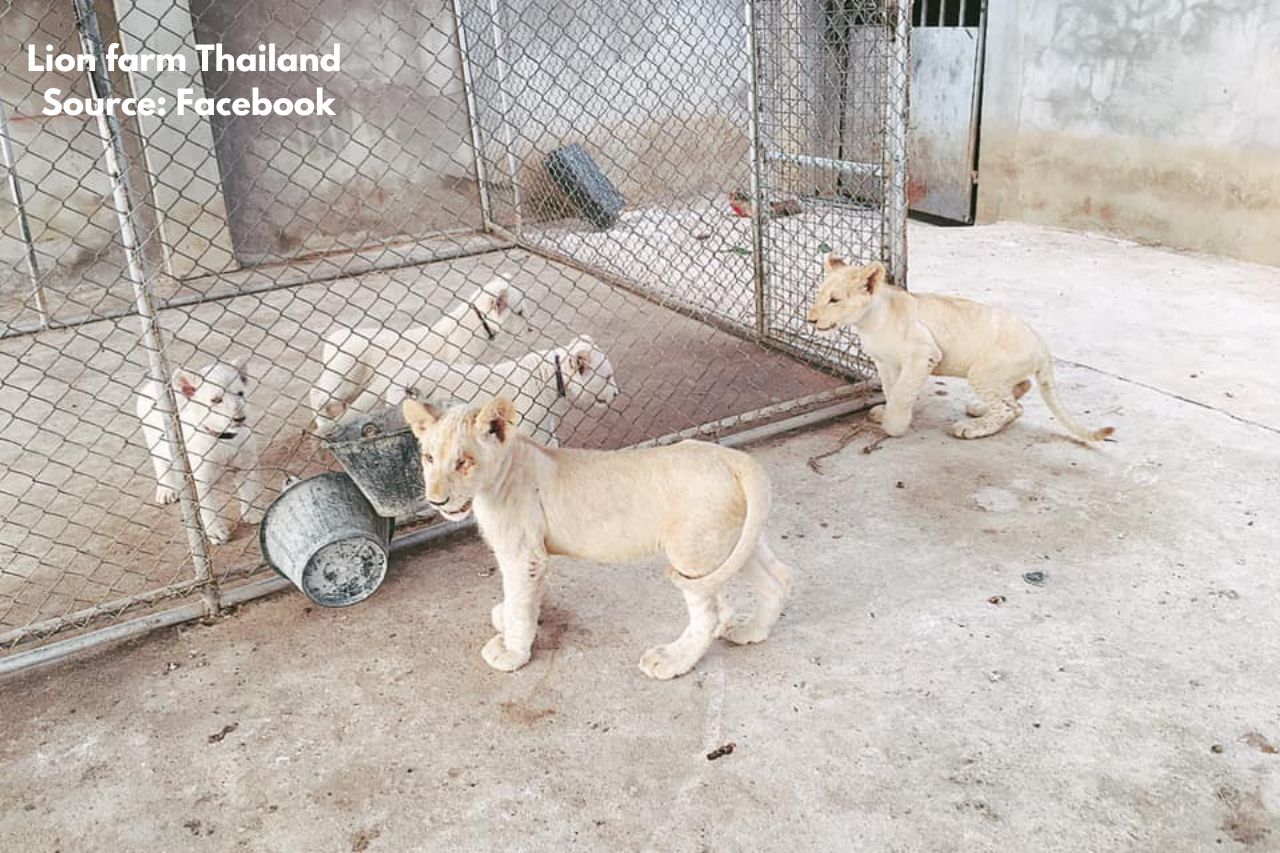
Cubs taken away from mothers ready for sale at a lion farm in Thailand
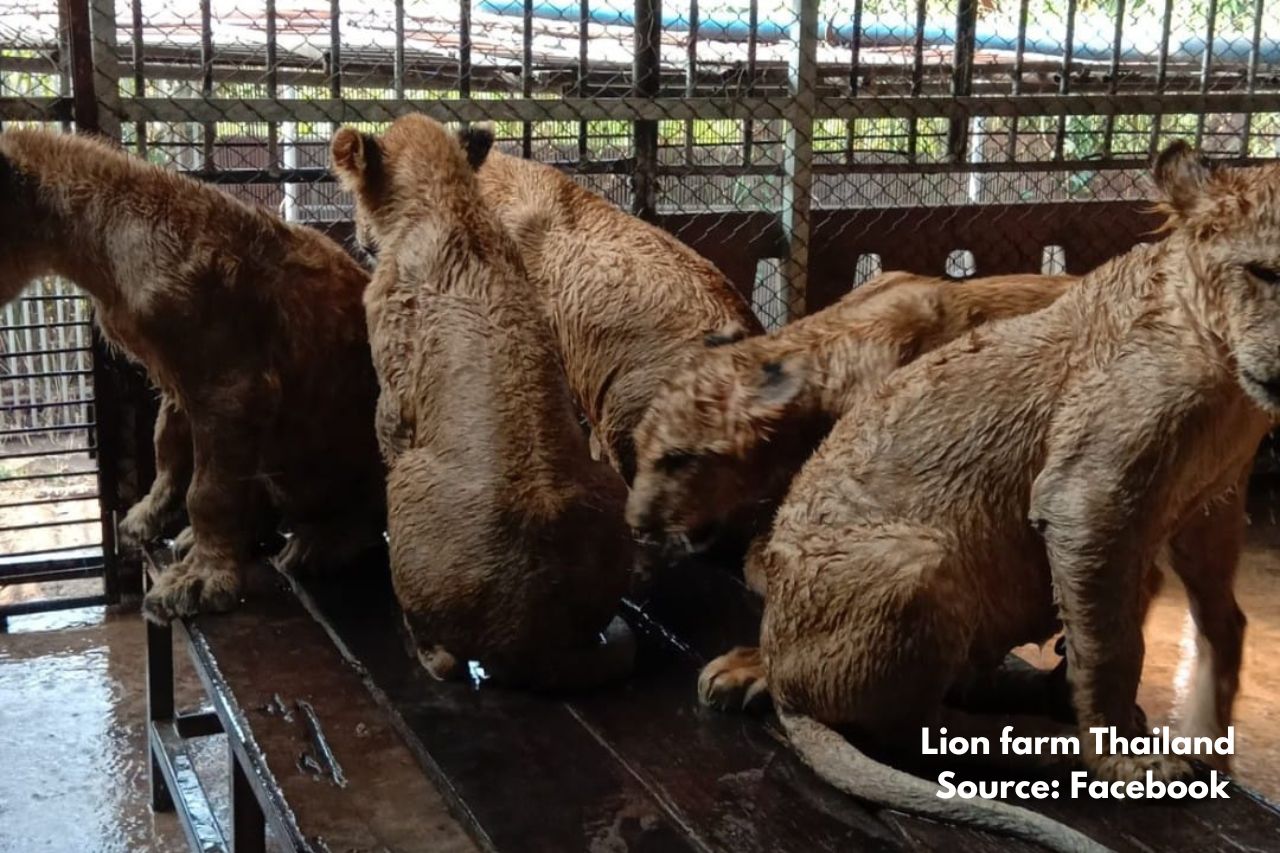
Horrific Lion Farm in Thailand
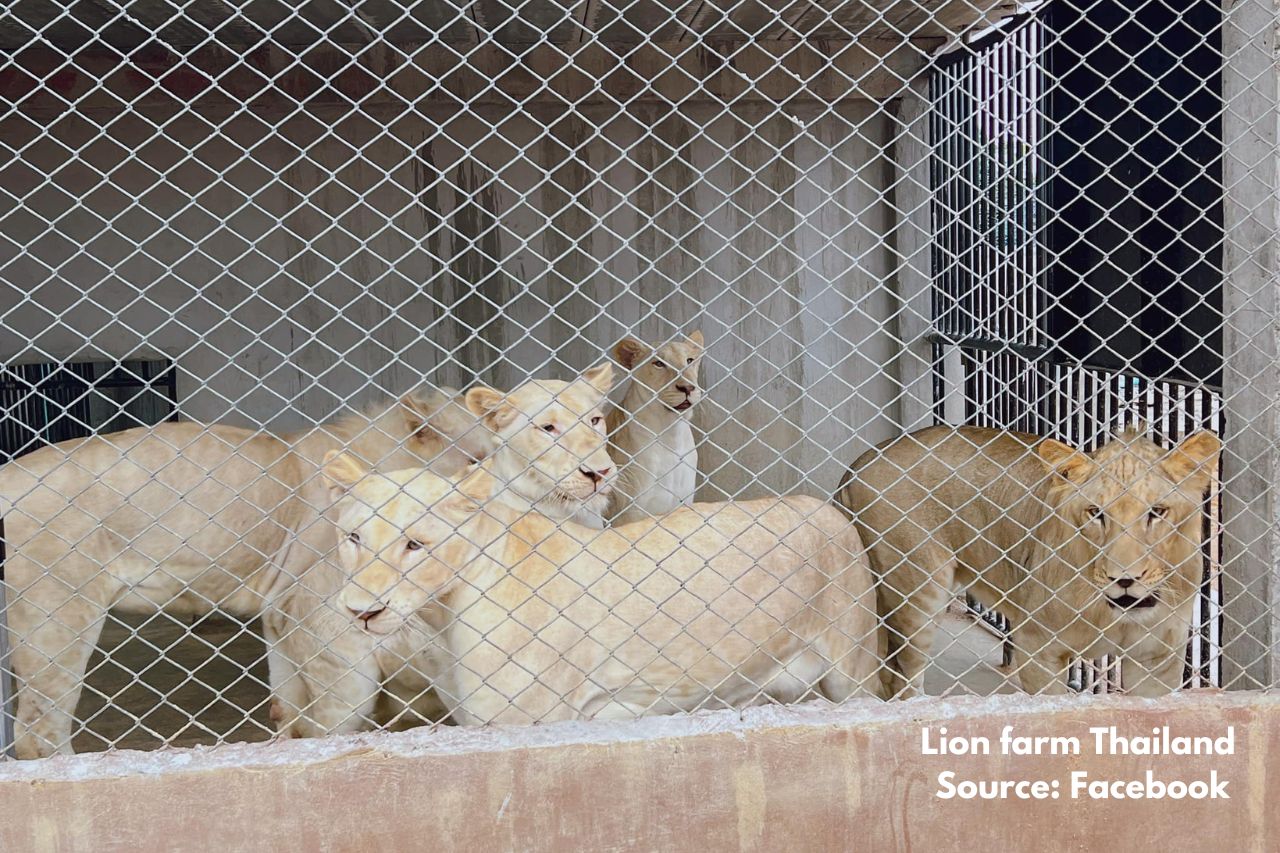
Where do lion cubs come from and go when they are too big to handle? Lion Farms
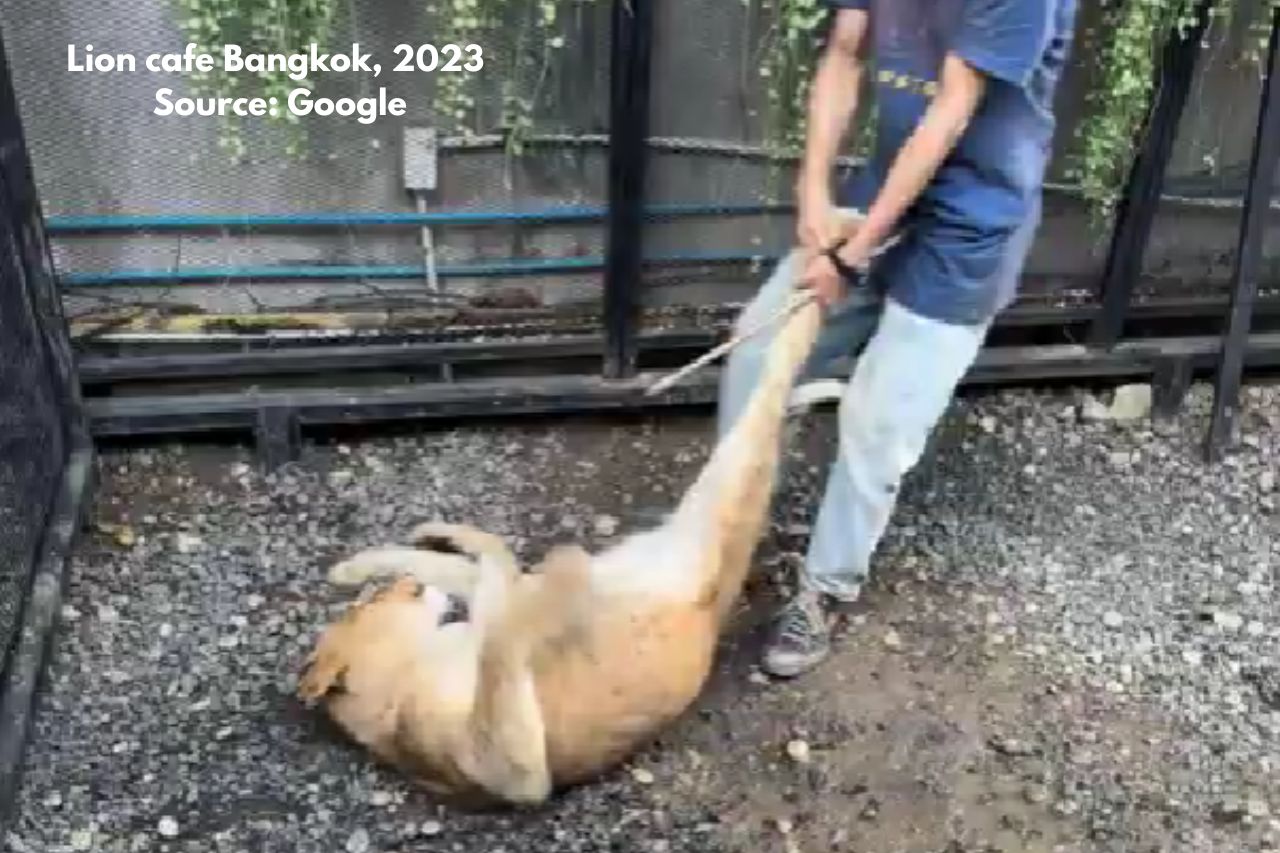
Treatment of a lion at a cafe
Related Posts