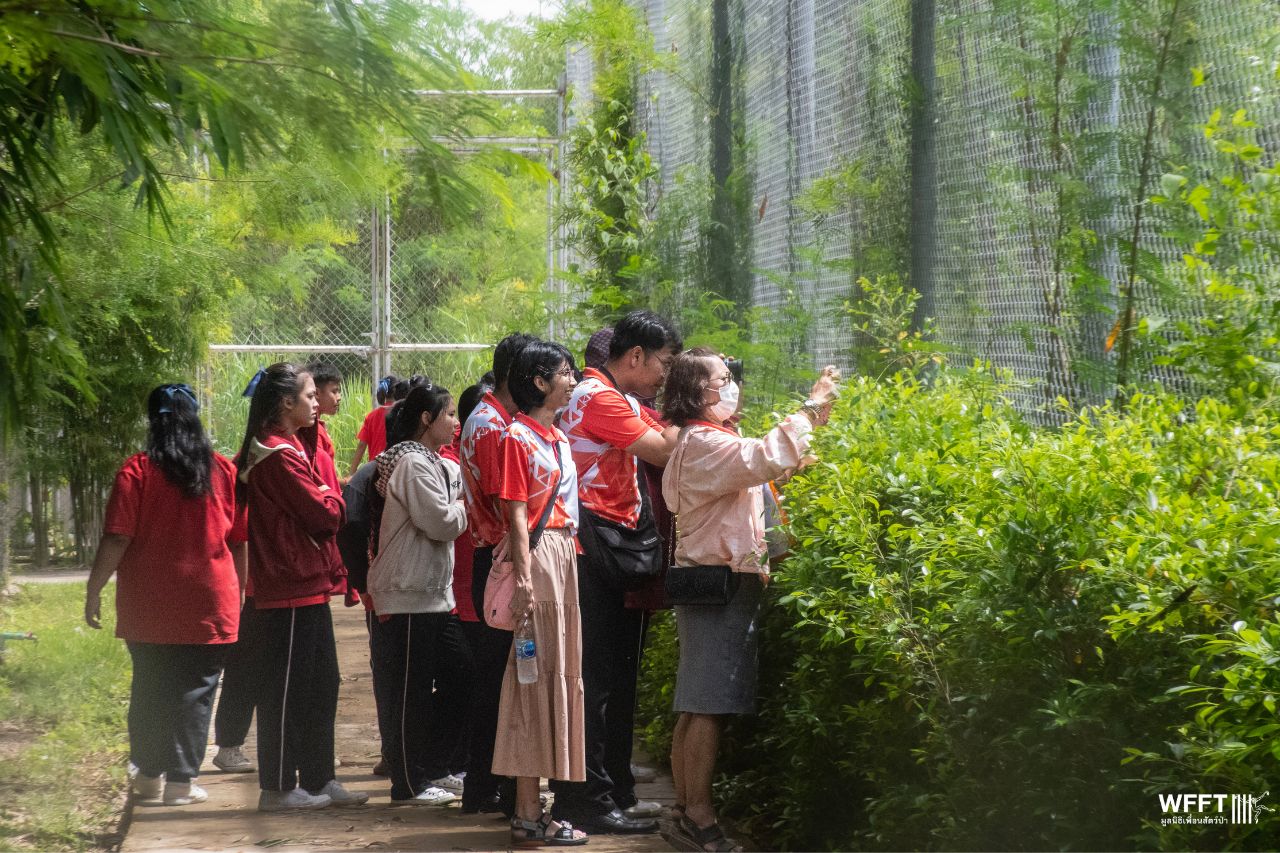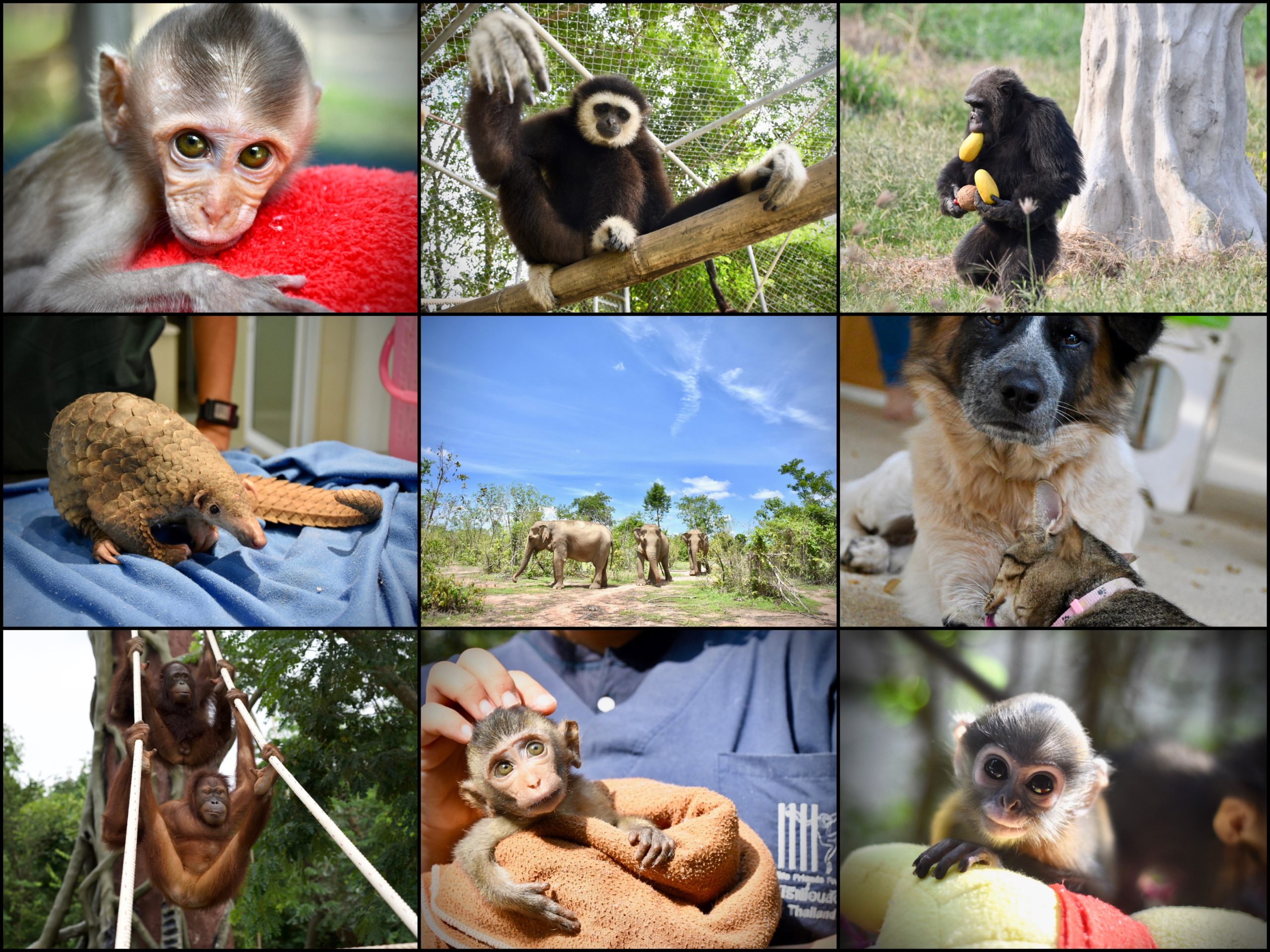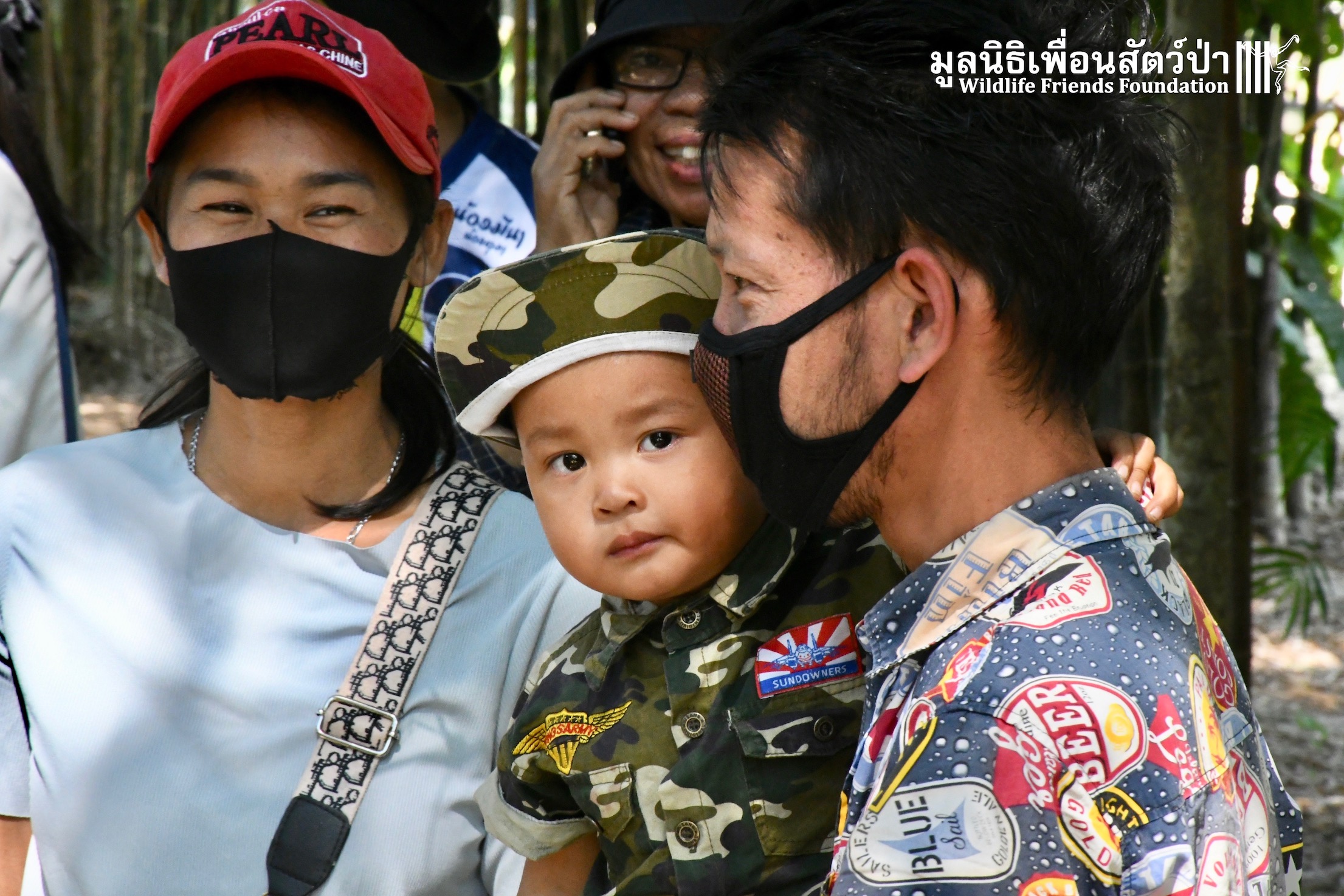
This year, we’re inspiring local students in Thailand to protect wildlife through school visits and sanctuary tours.
Growing the Next Generation of Wildlife Conservation
Protecting Thailand’s wildlife starts with education. By helping young people understand the animals around them and the challenges they face, we can encourage greater respect, compassion, and responsibility towards wildlife.
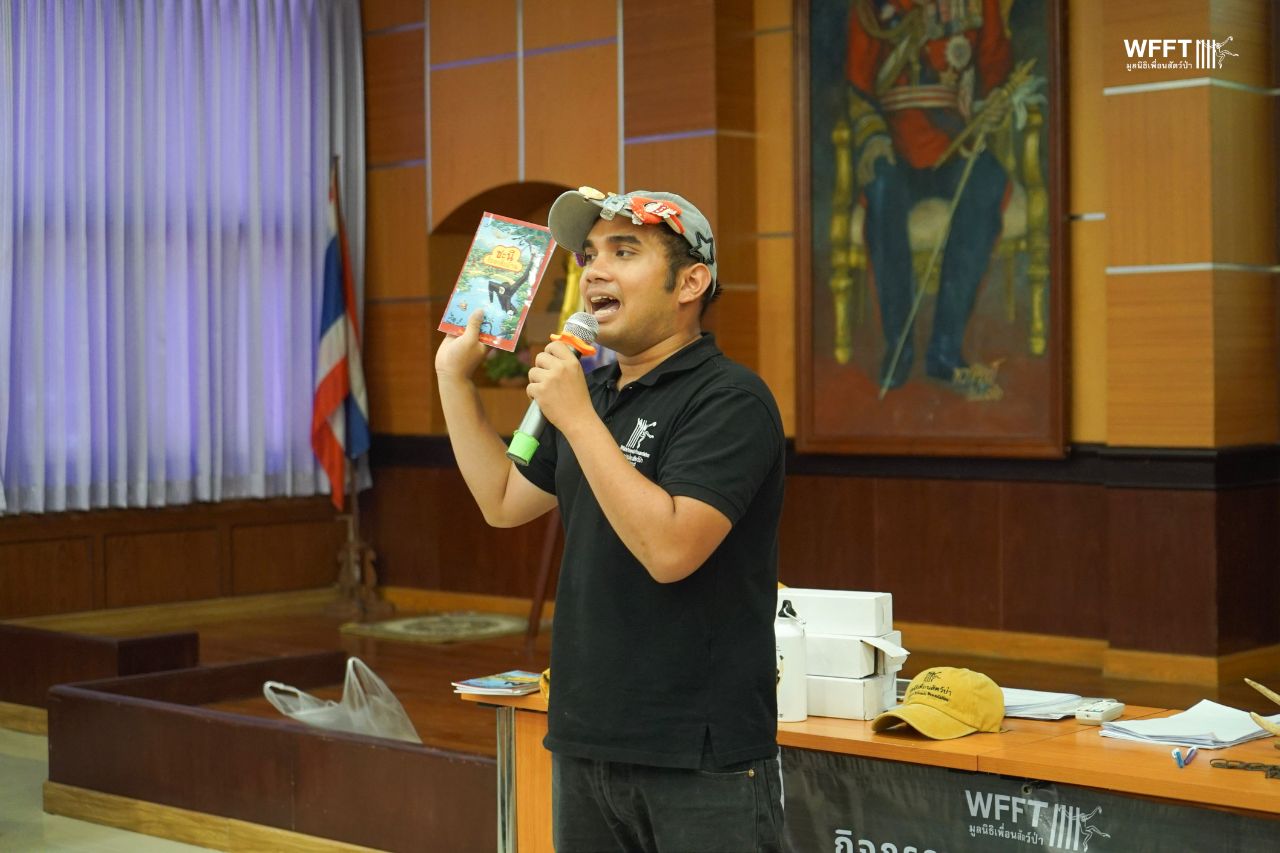
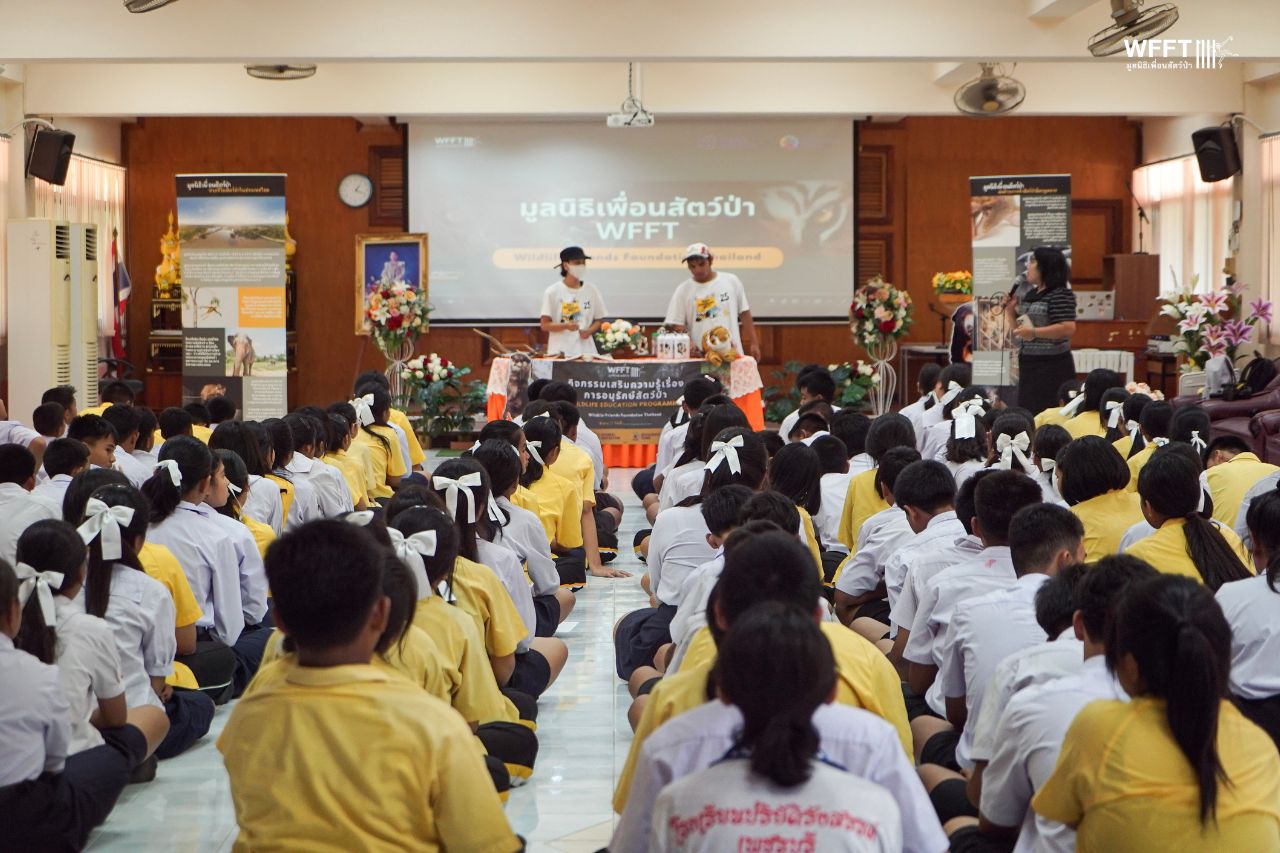
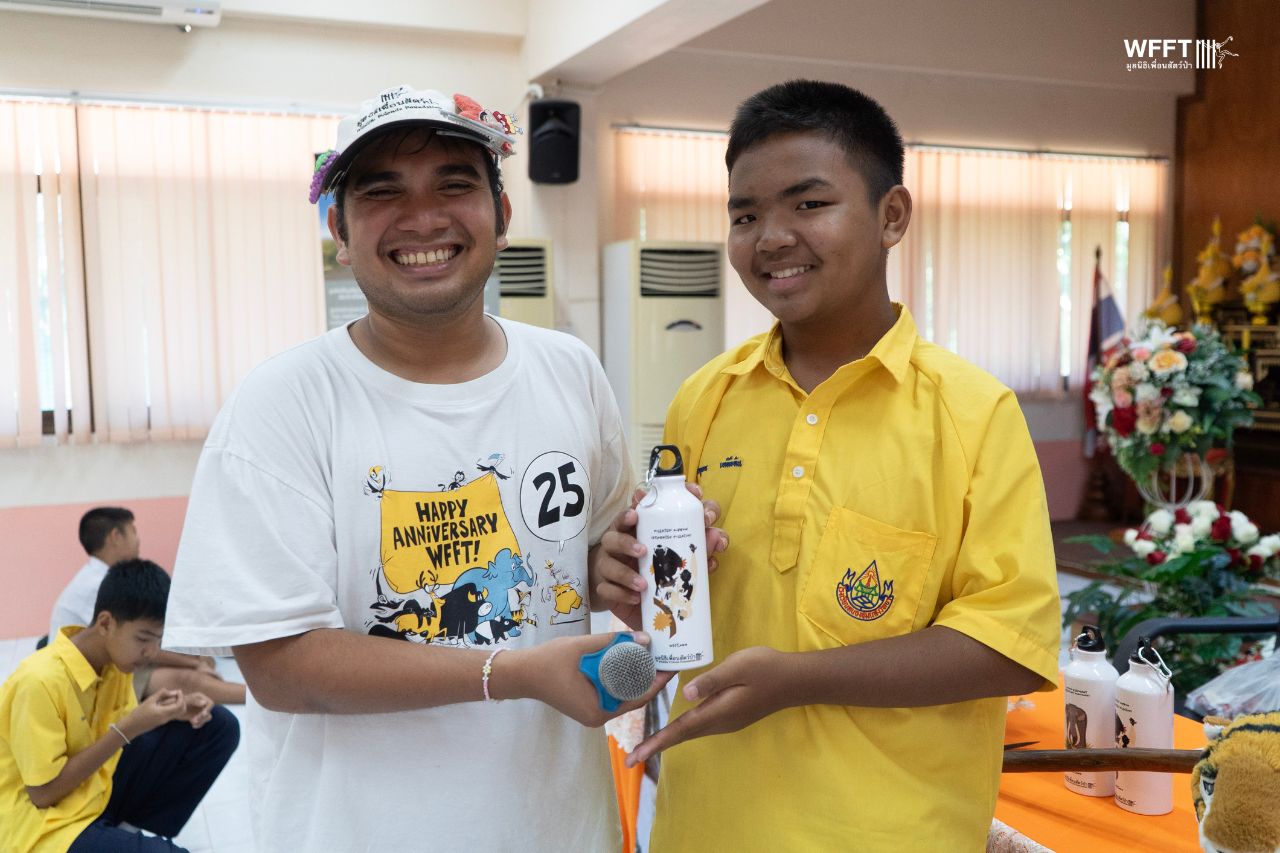
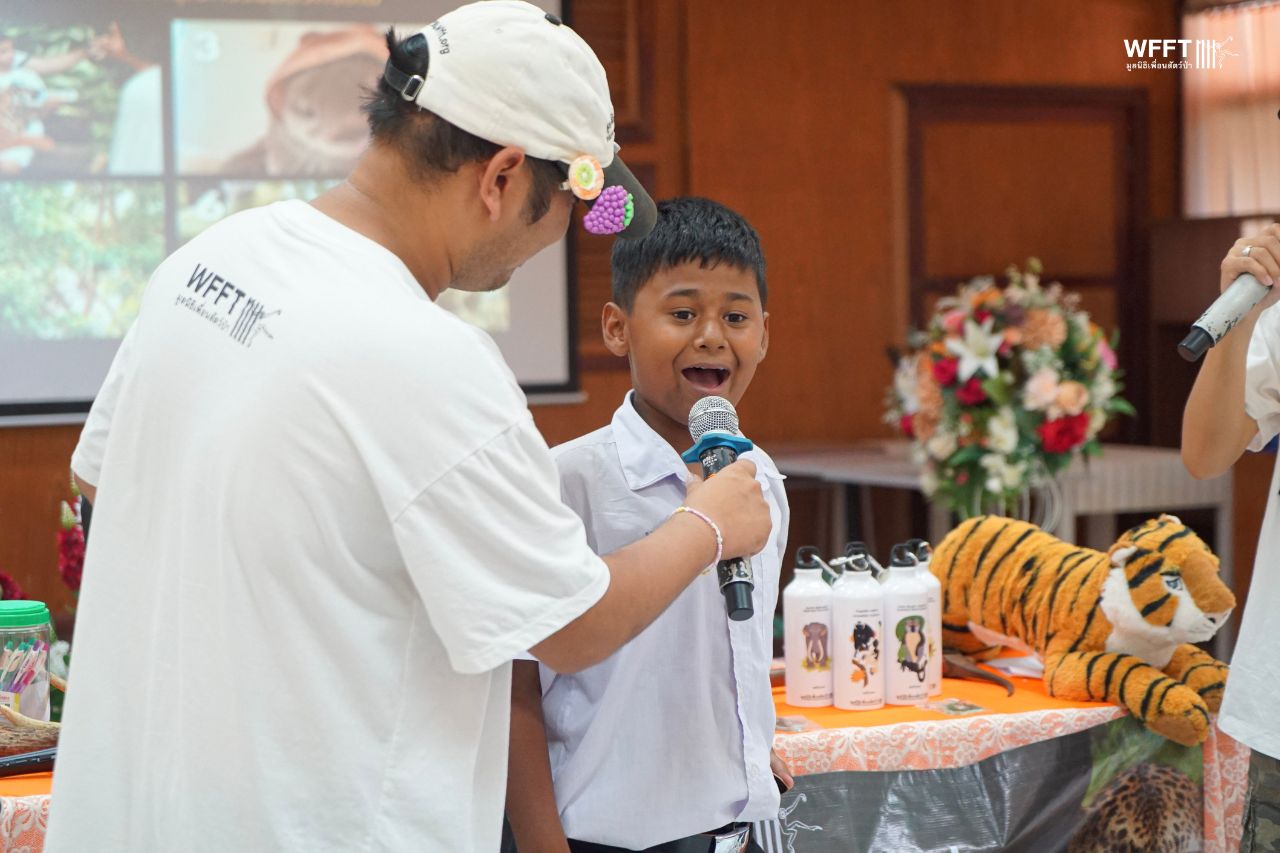
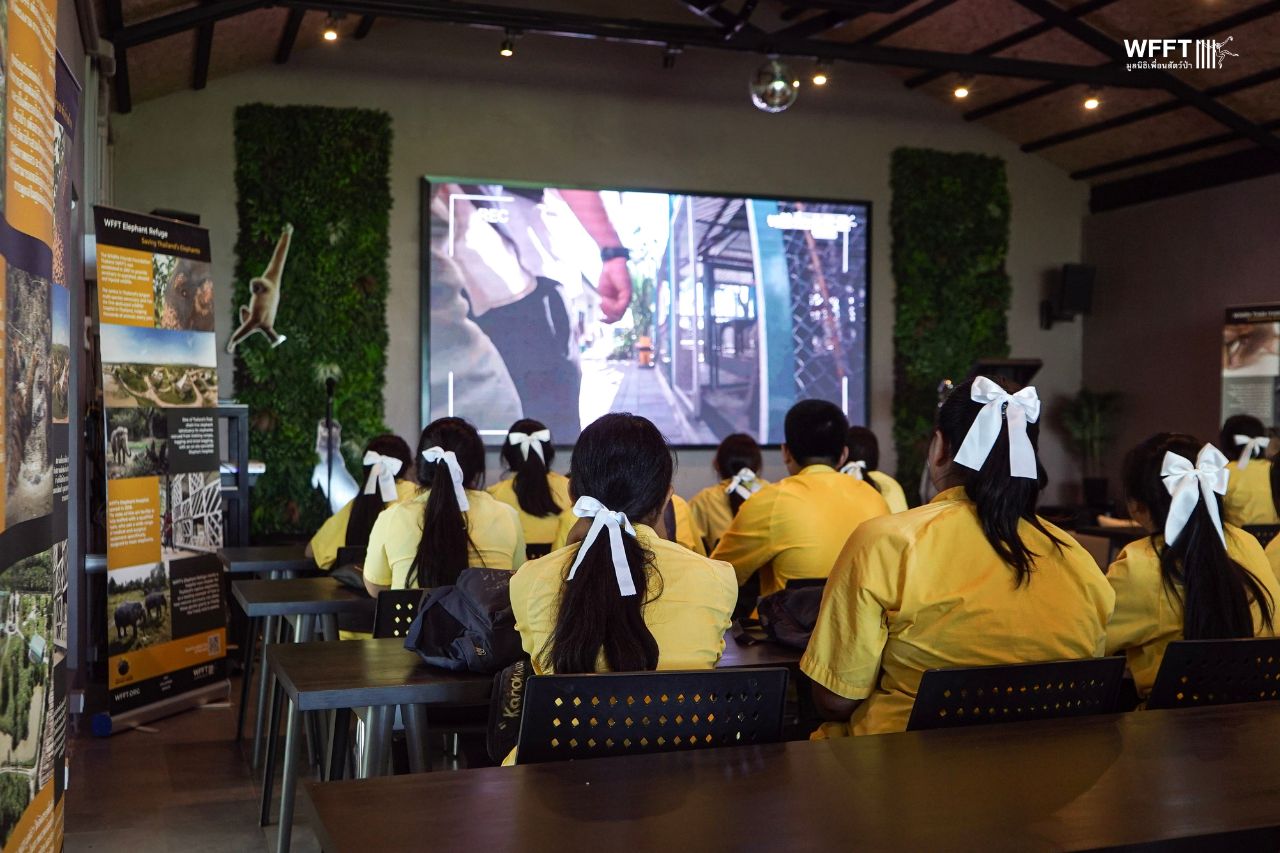
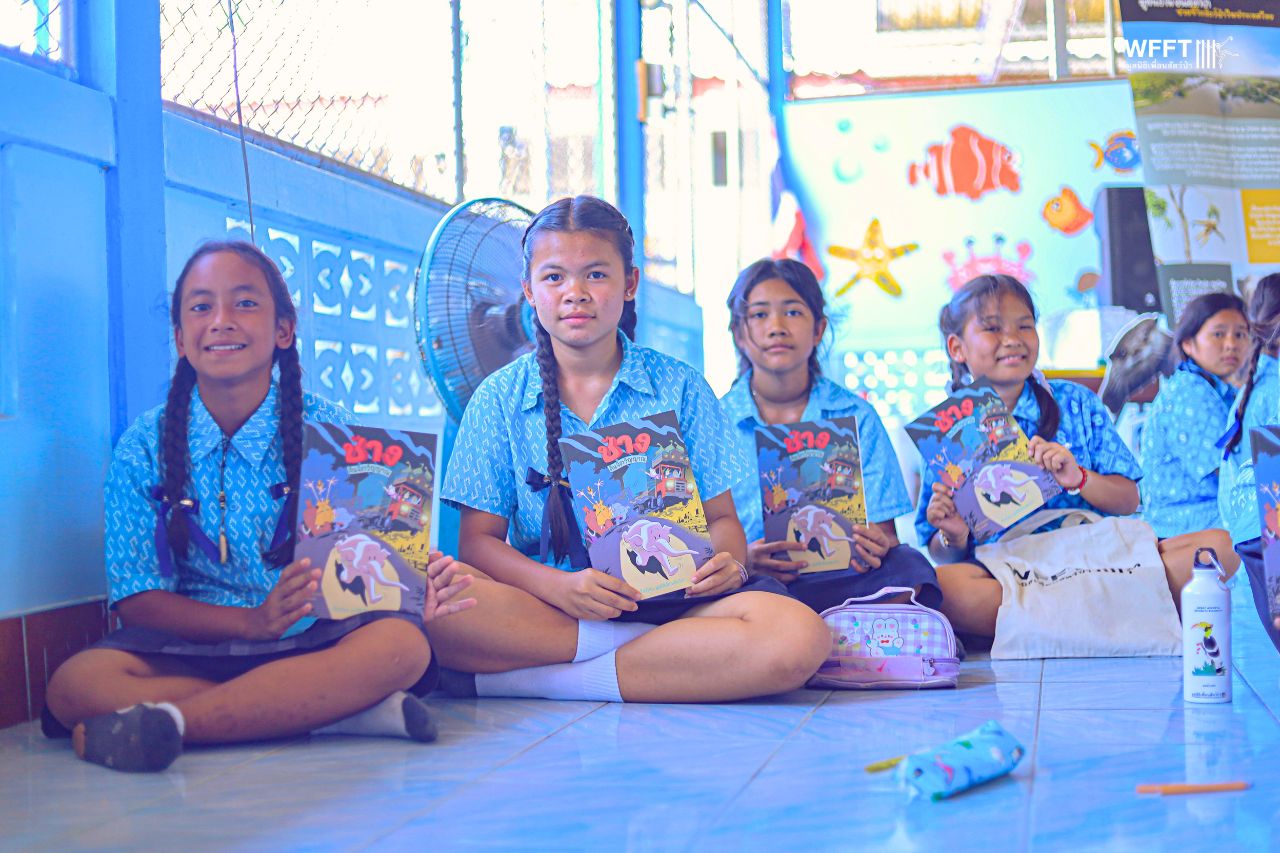
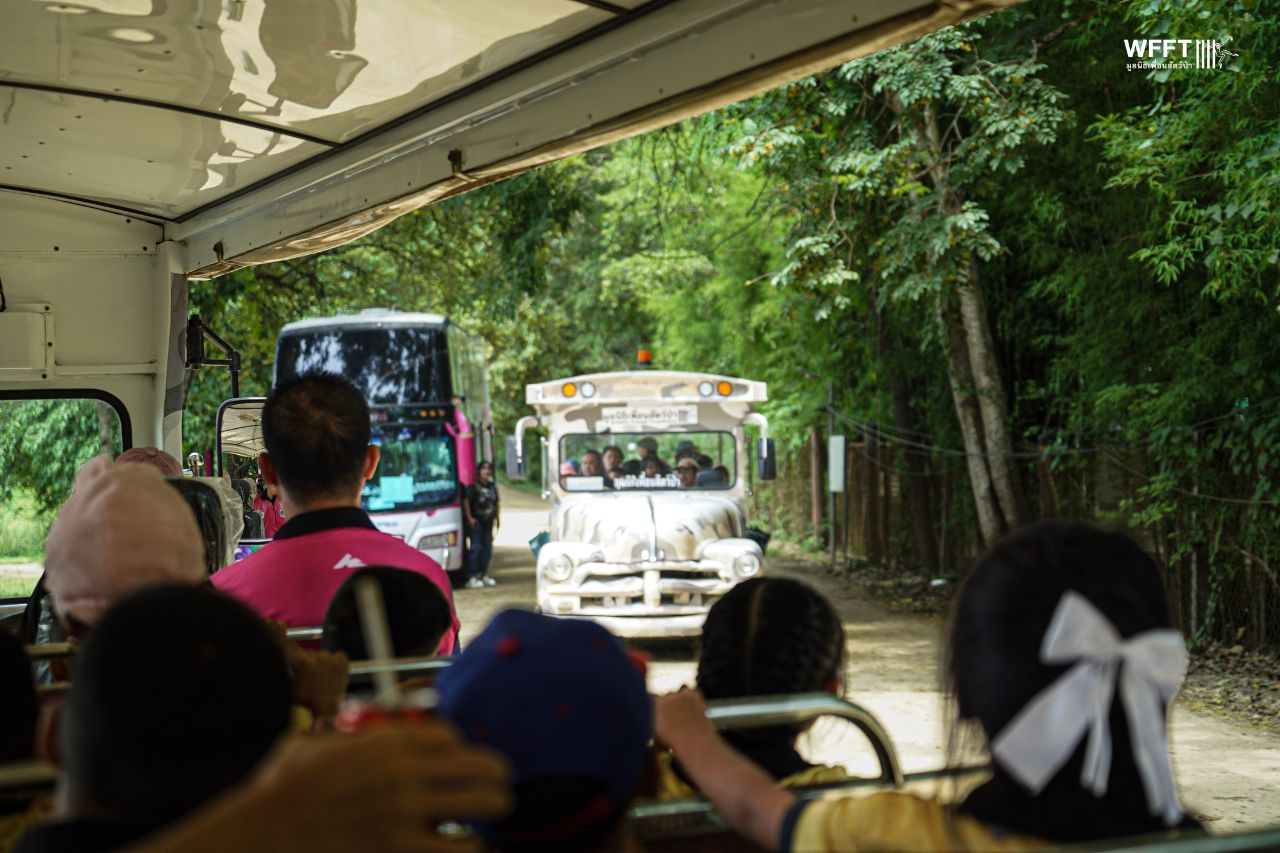
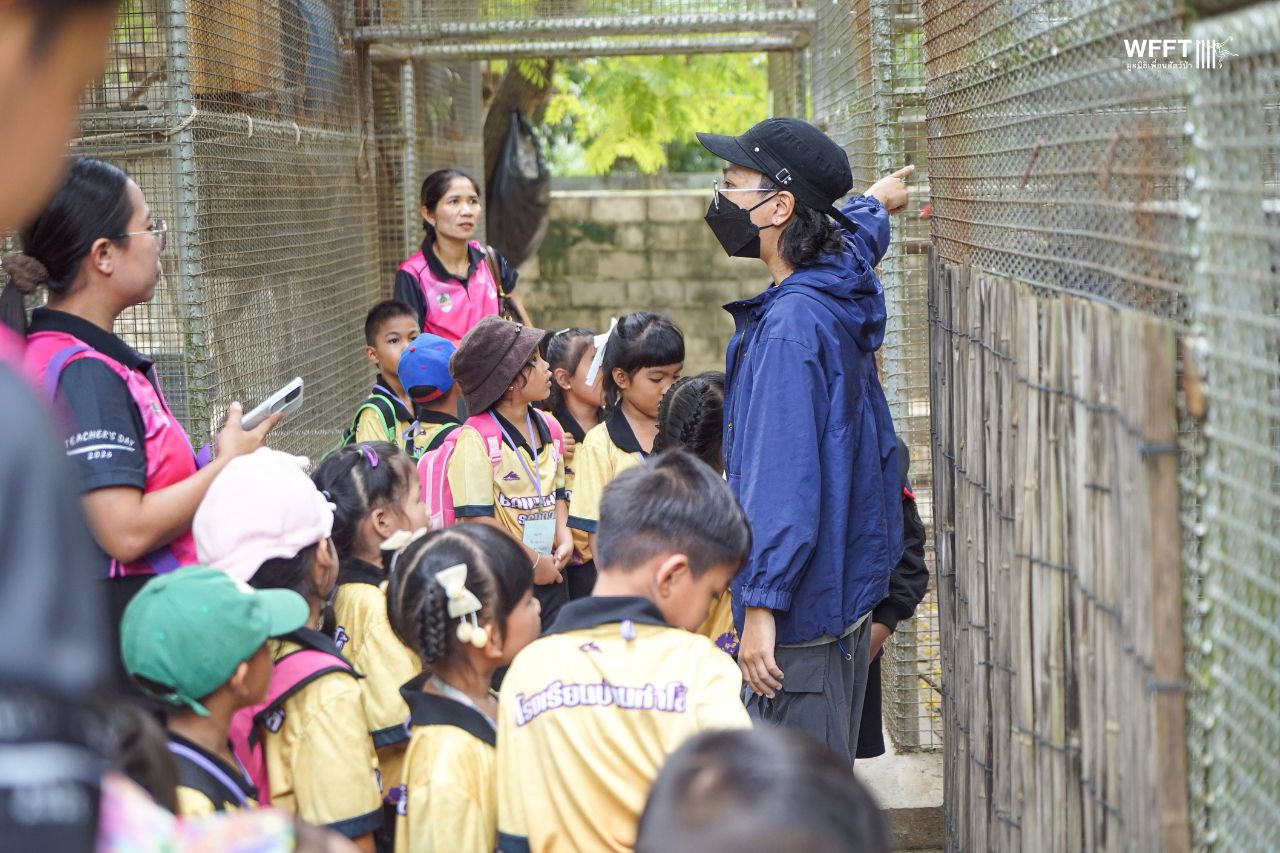
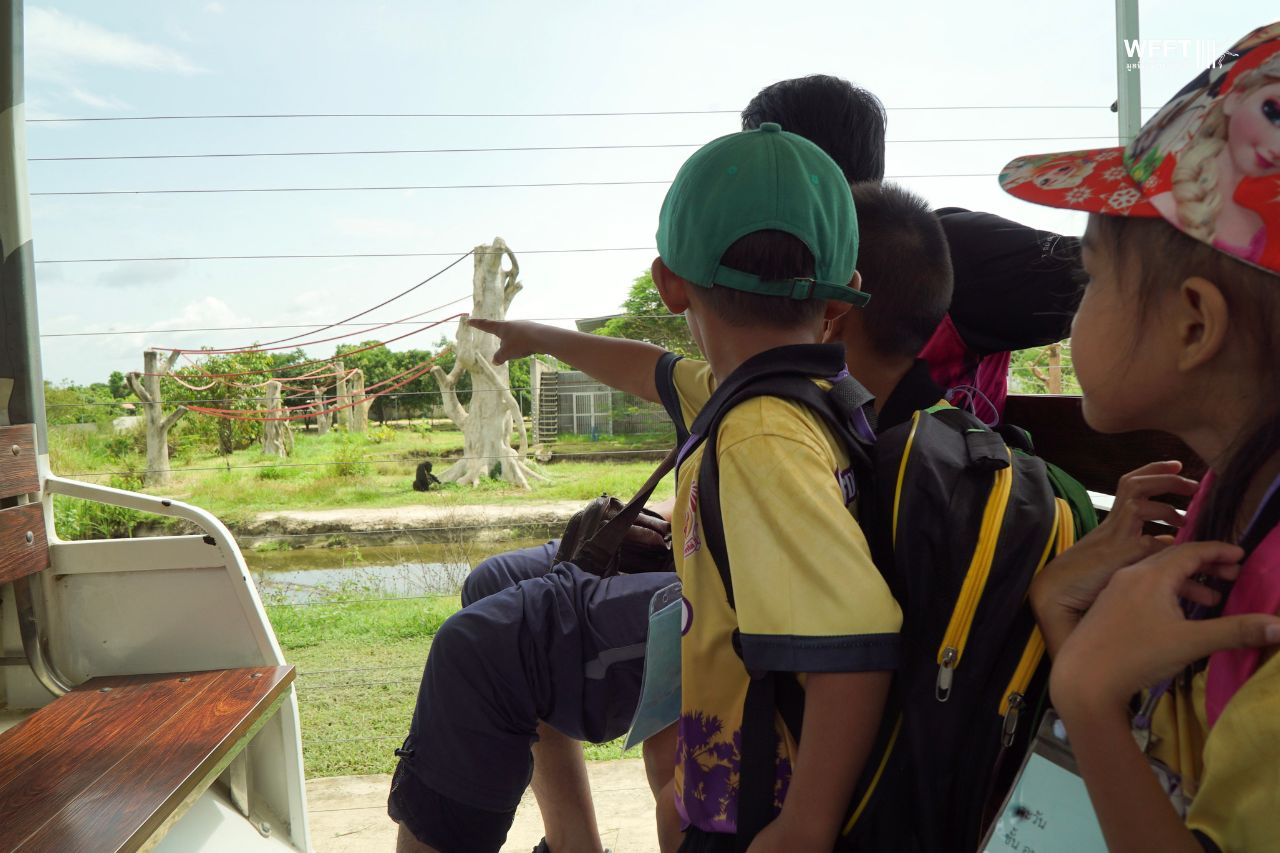
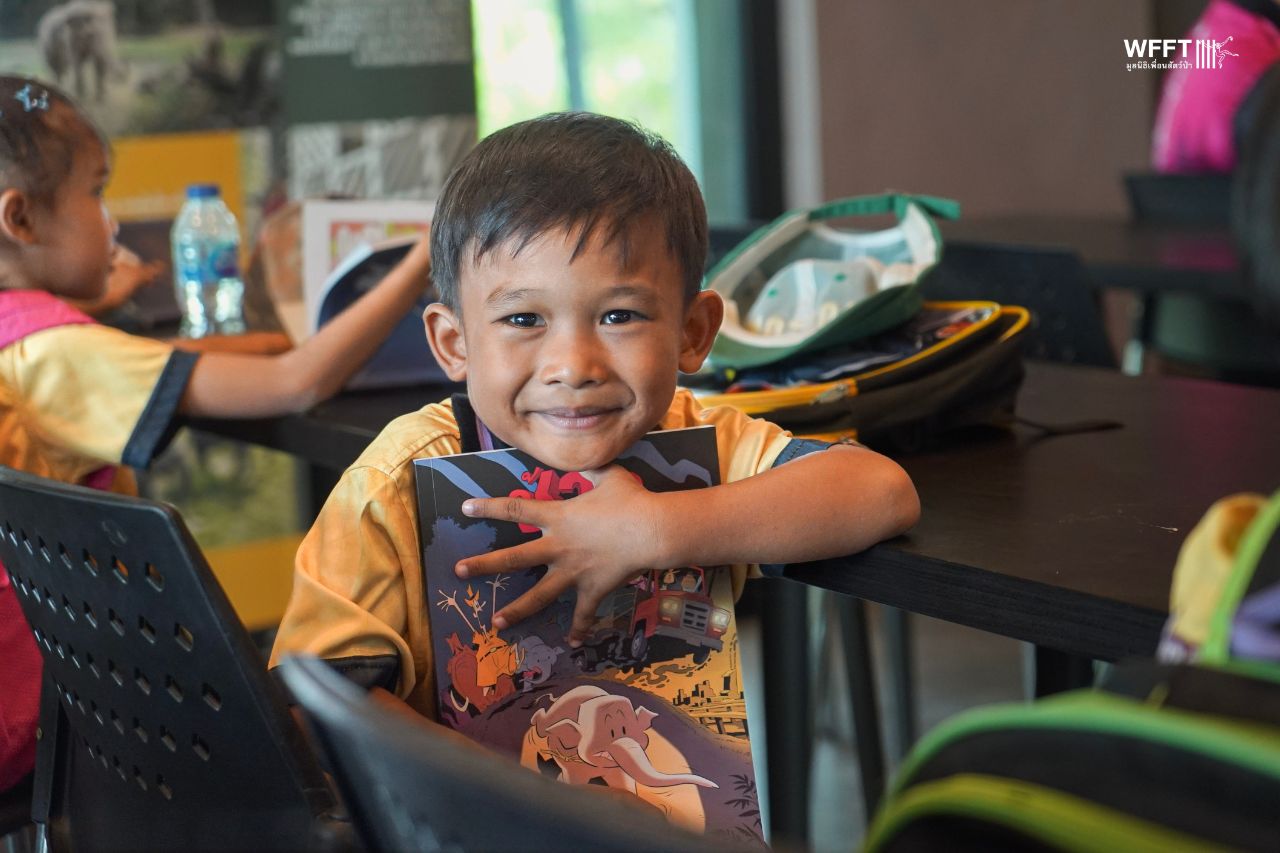
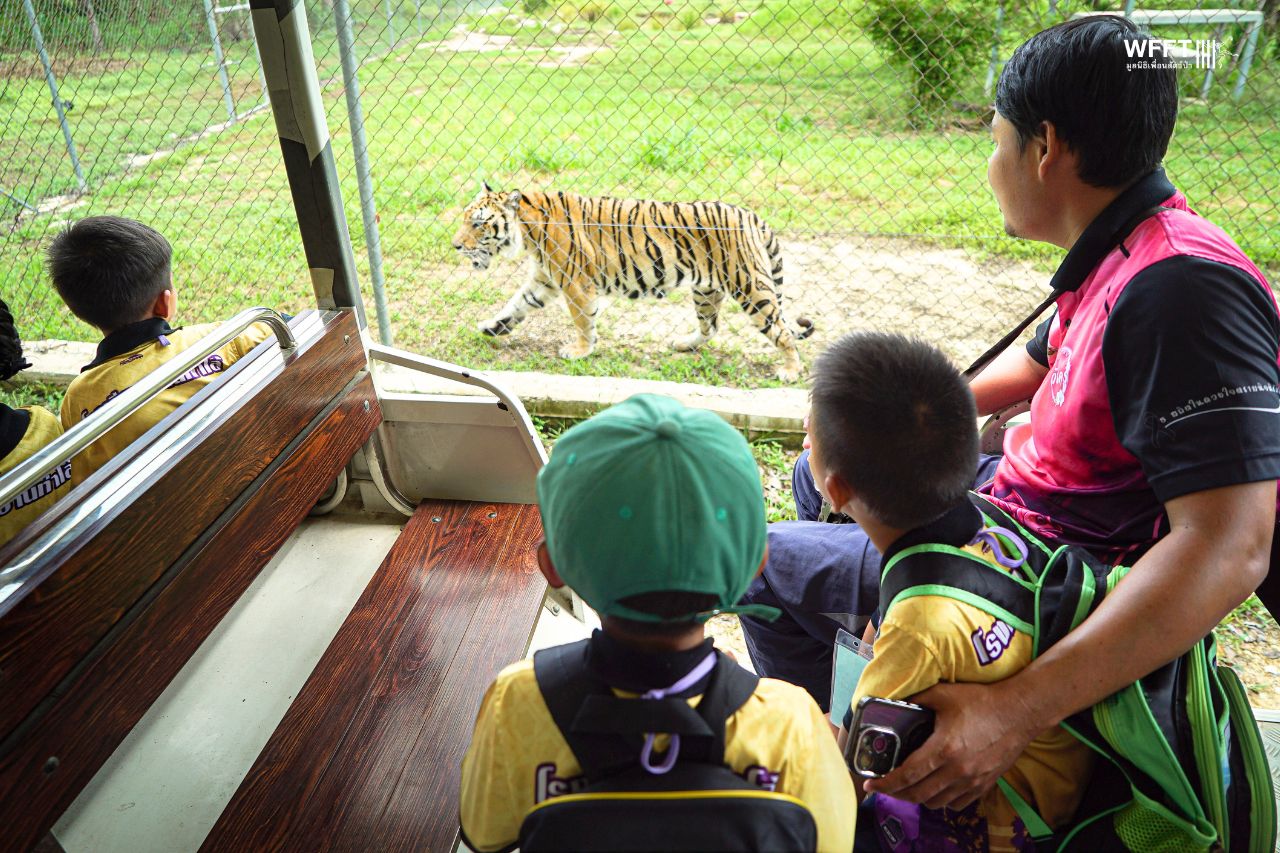
Throughout 2026, with generous support from The Resilience Fund, WFFT has been bringing wildlife education into local schools and communities. Through interactive lessons, hands-on activities, and educational tours of our sanctuary, students have the opportunity to learn about Thailand’s wildlife, their natural habitats, and the threats that put them at risk.
Our sessions explore a wide range of topics, from wildlife conservation and habitat loss to the illegal wildlife trade, while encouraging students to consider how their own actions can contribute to protecting wildlife.
So far, our education team has visited five local schools, while four school groups have also taken part in educational tours of the WFFT sanctuary. With more school visits and activities planned throughout the year, there are many more opportunities ahead to connect young people with the wildlife they may one day help protect.
By inspiring curiosity and understanding today, we hope to help shape a future generation of wildlife protectors.
Read more about our 2026 Wildlife Education Programme below.
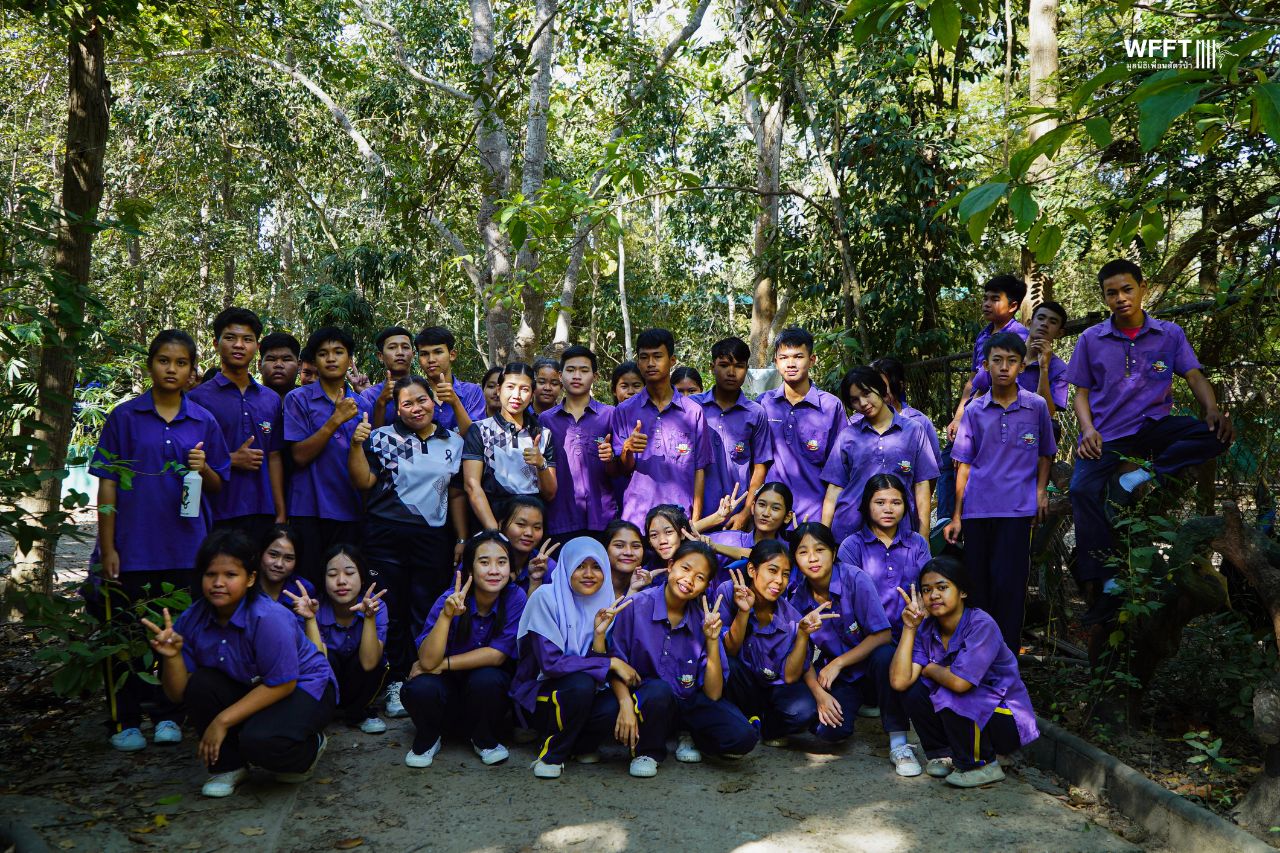
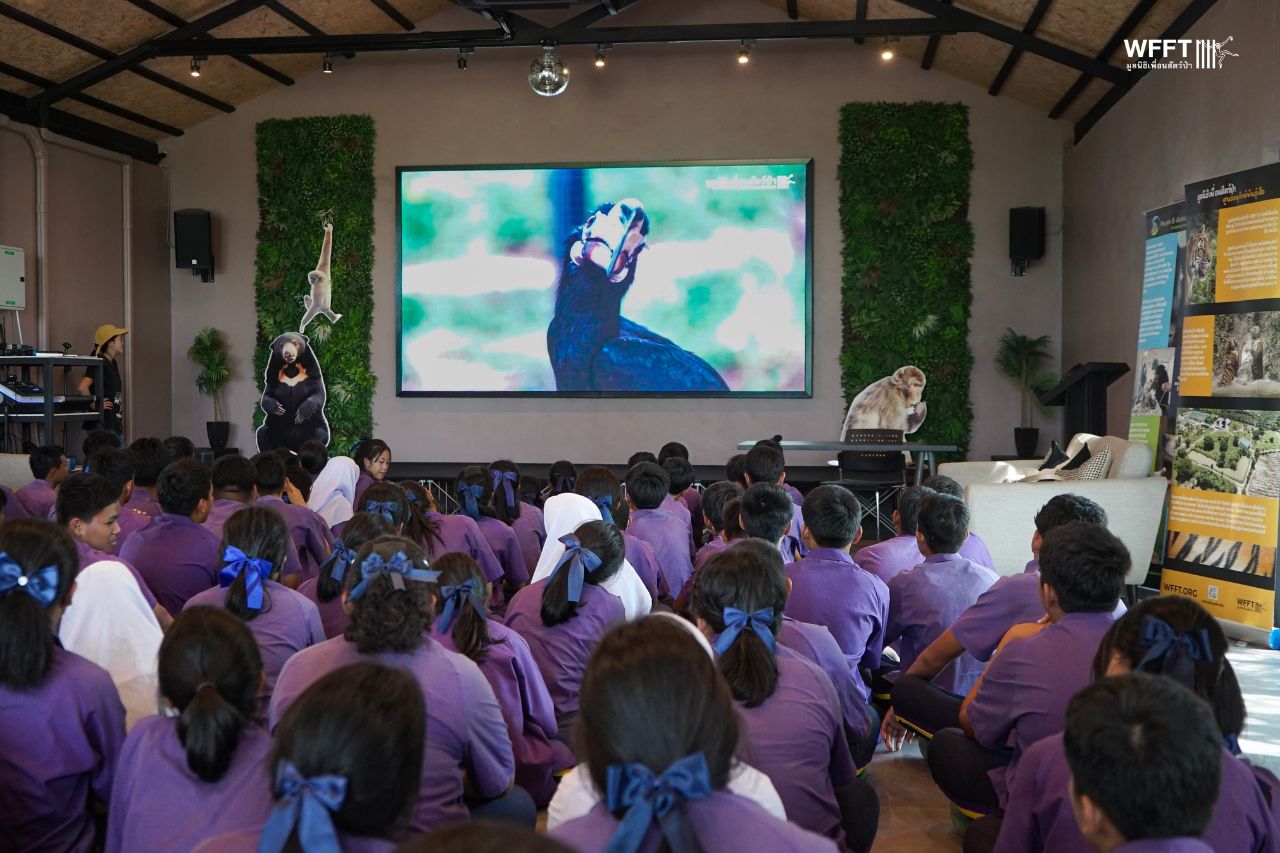
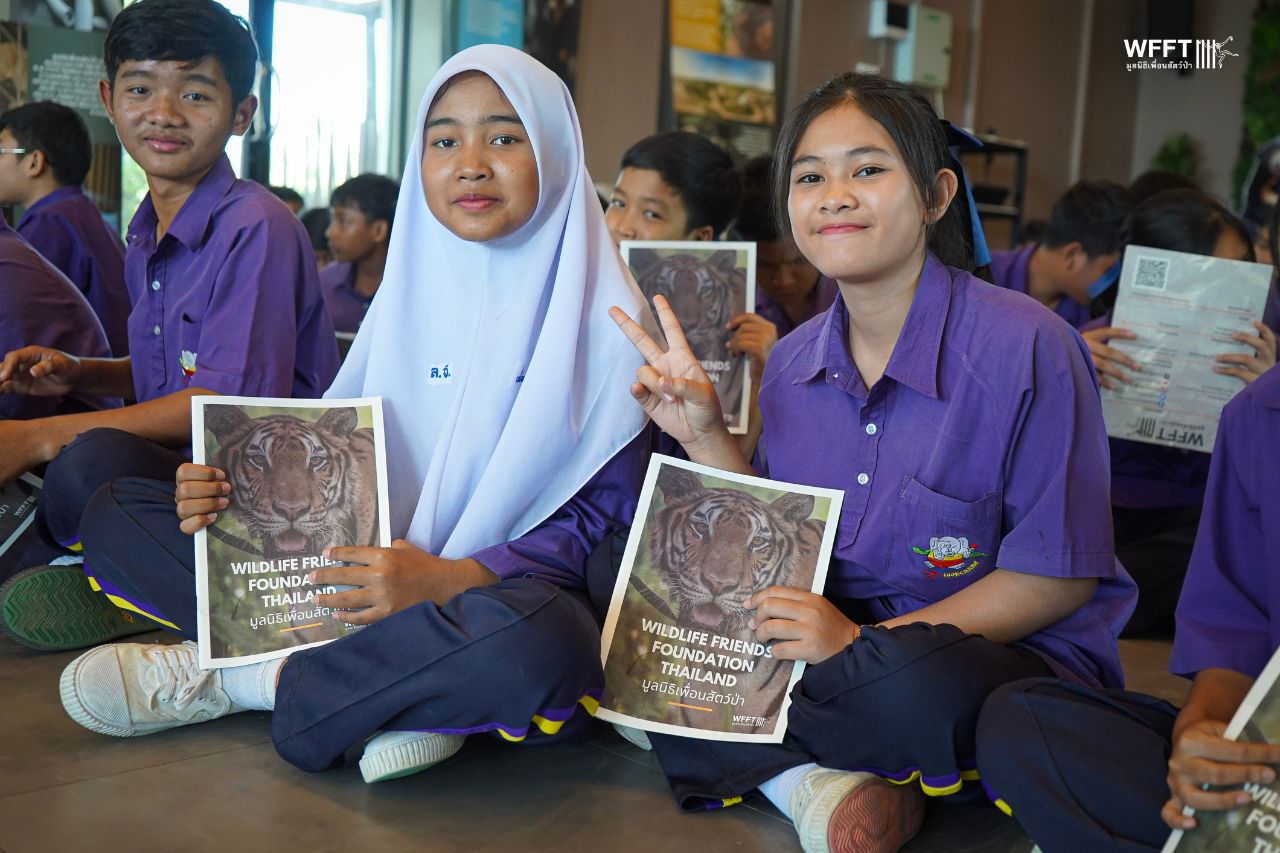
Wat Phraphutthabat Khao Luk Chang School
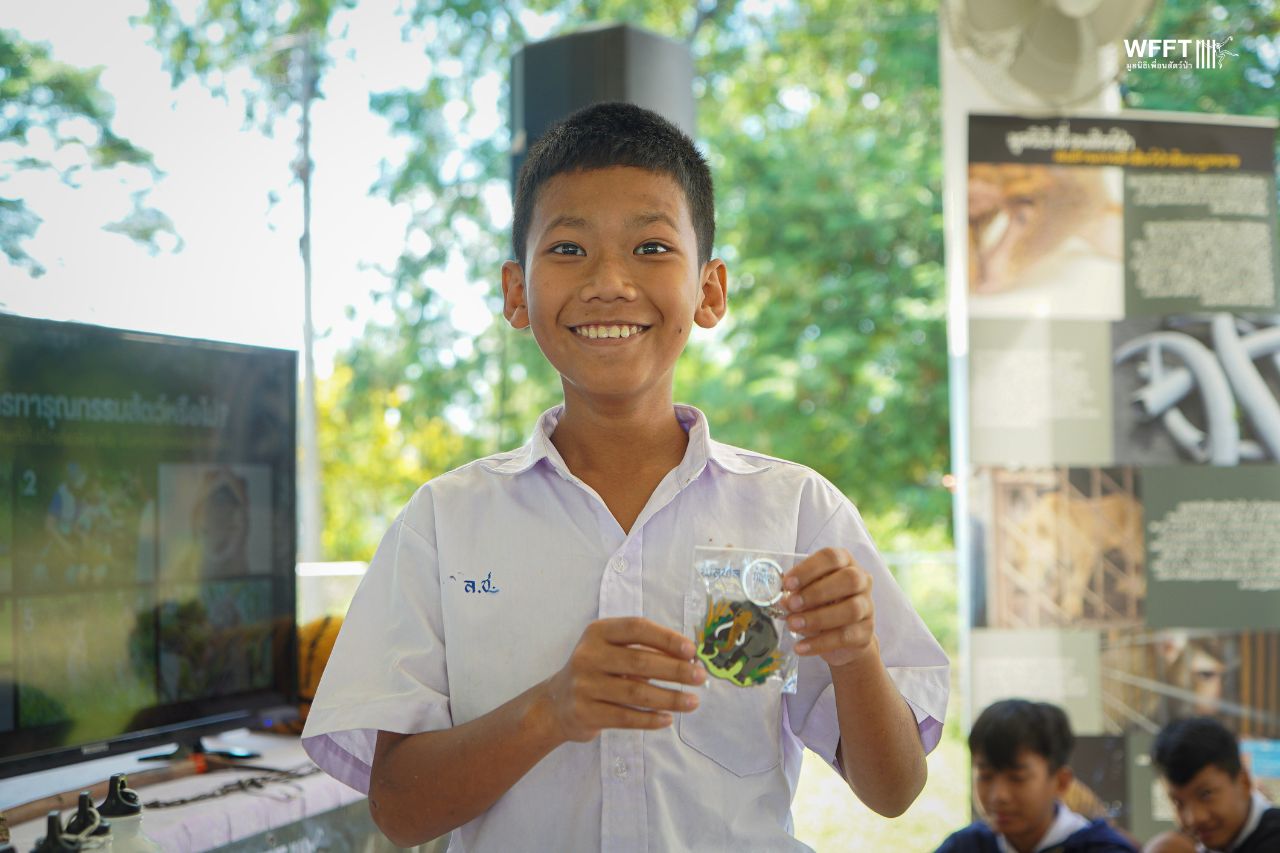
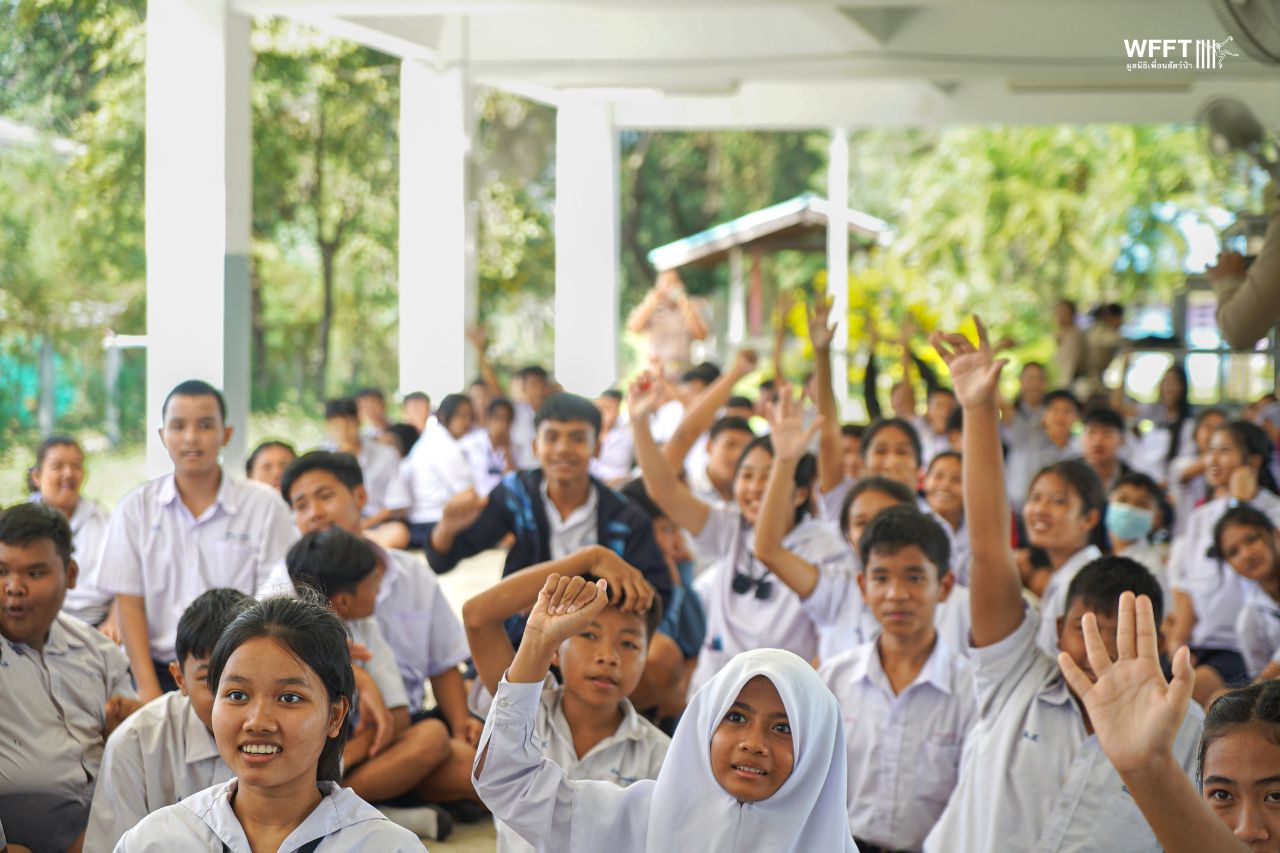
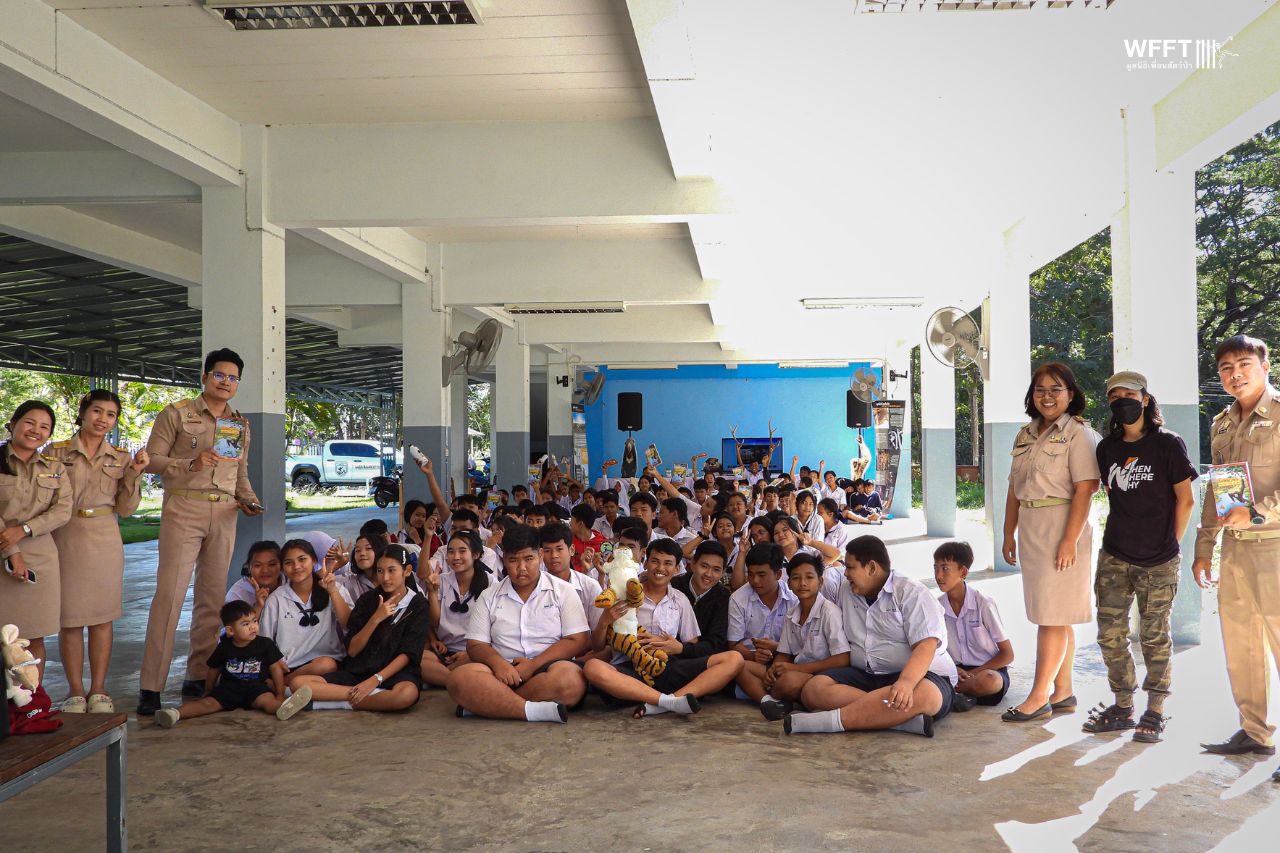
This school located near WFFT! The students were highly engaged throughout the activity. As many of them live near WFFT, they were already familiar with a wide range of animal species and had encountered wildlife before.
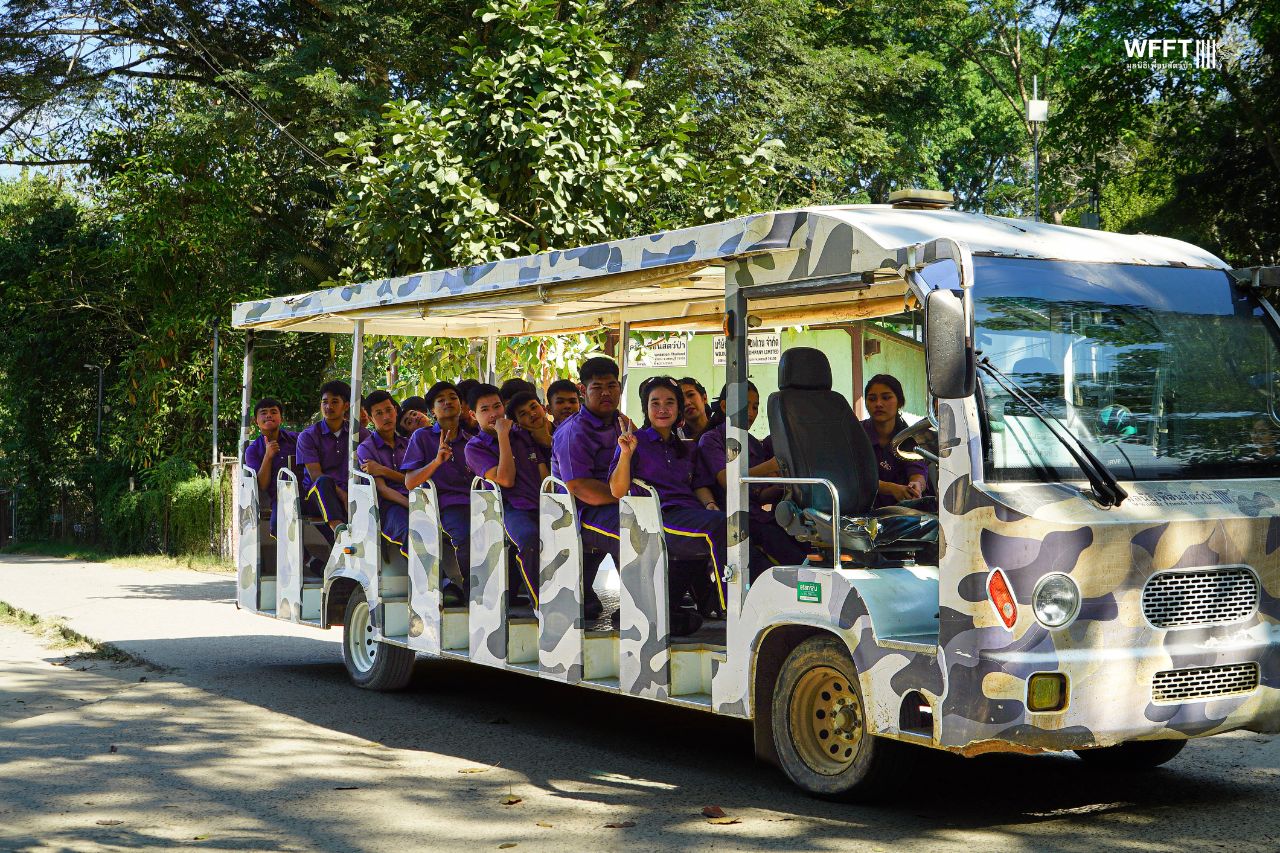
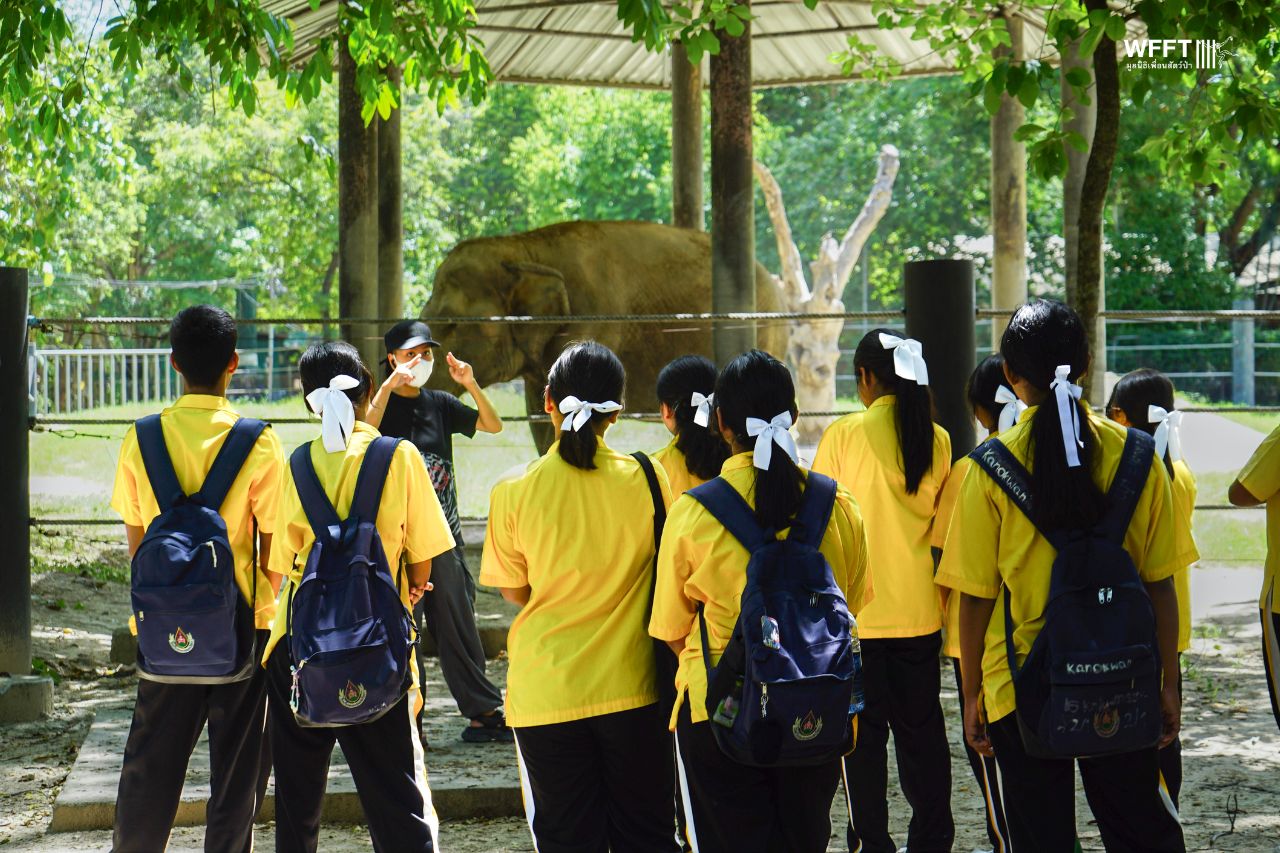
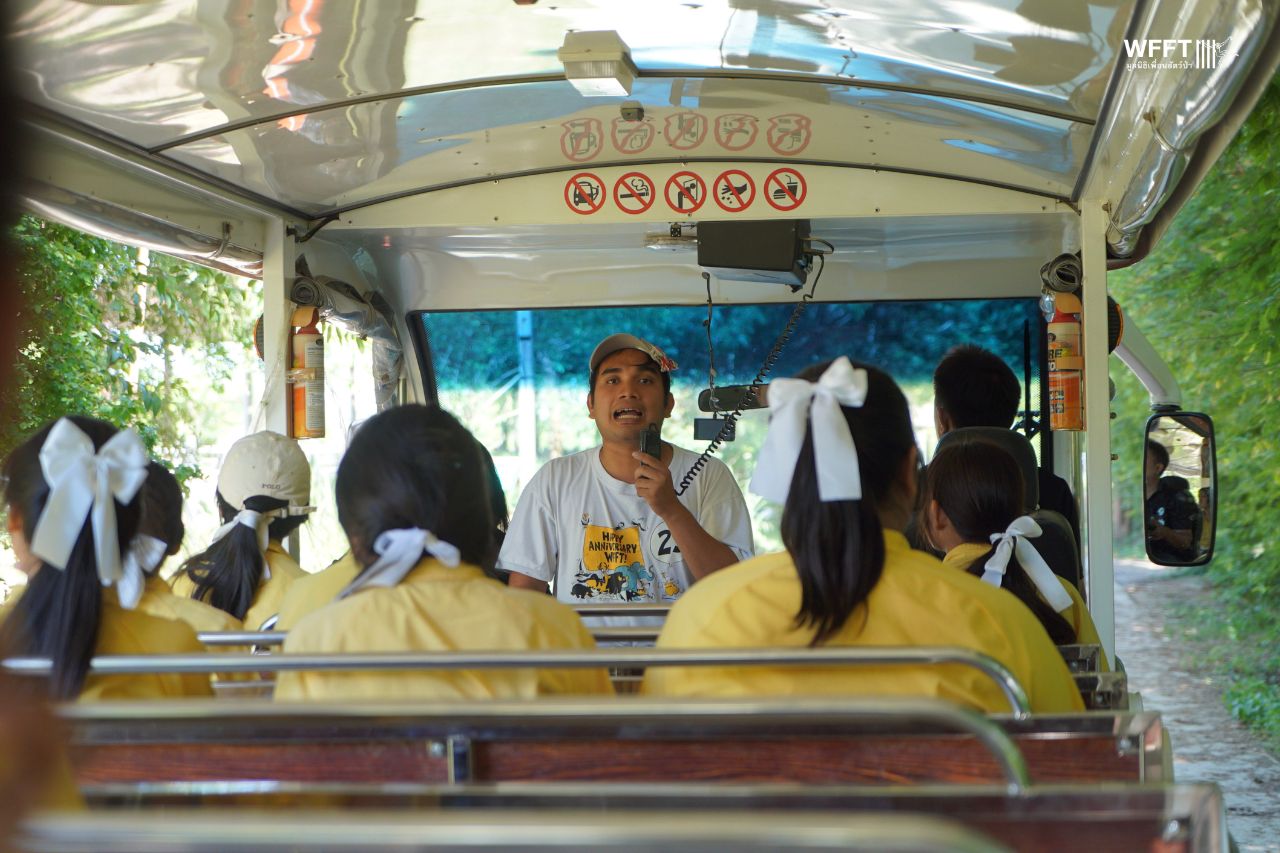
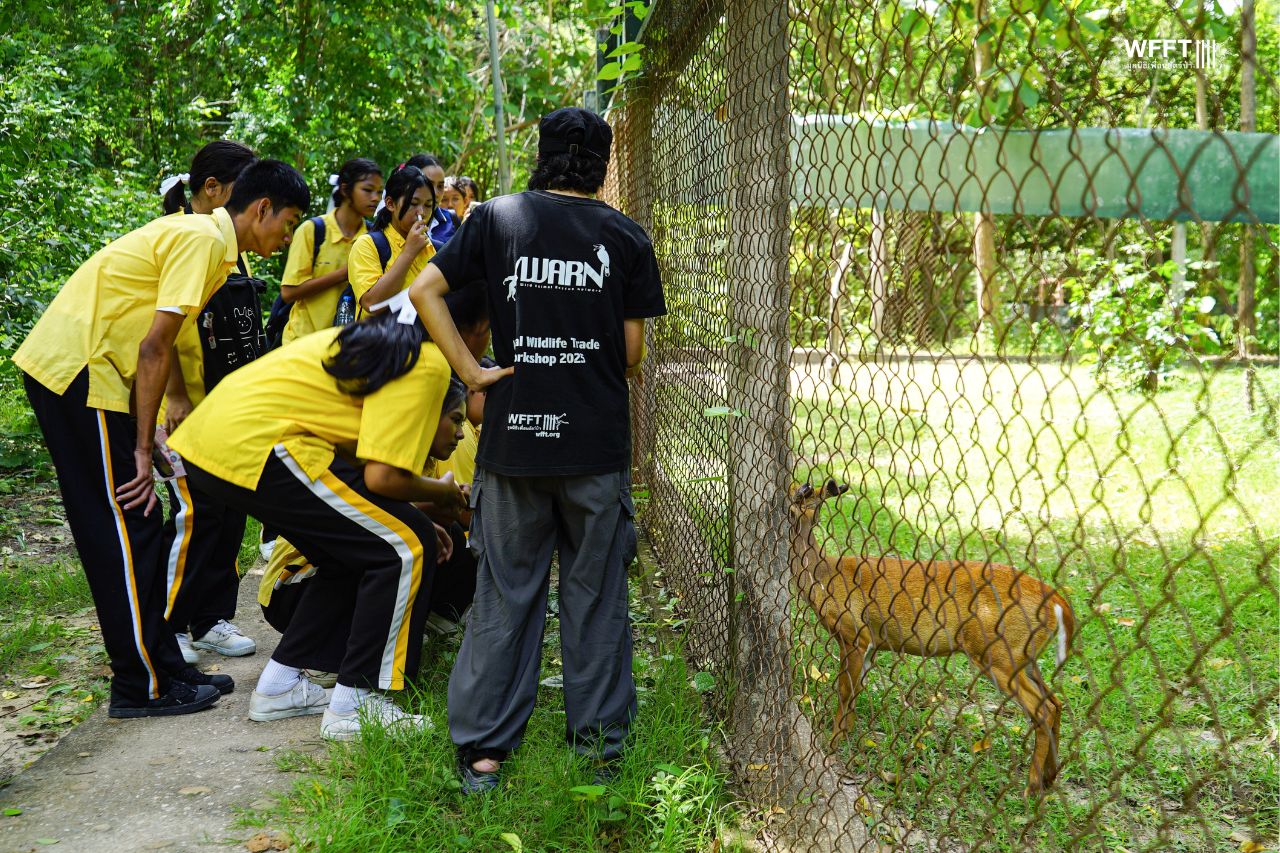
During the tour, the students were able to apply the knowledge gained from the education session, confidently asking questions and correctly answering questions related to wildlife.
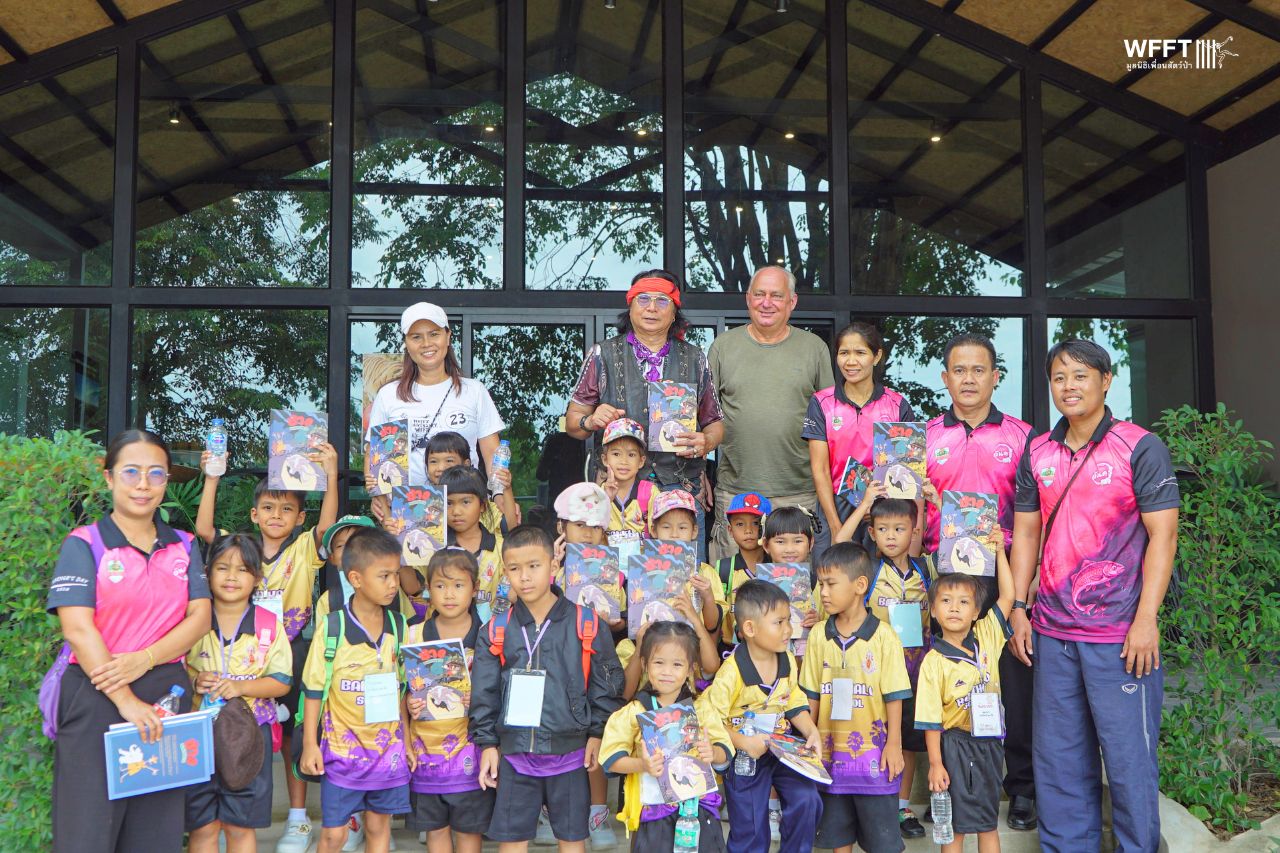
Banlatwittaya school

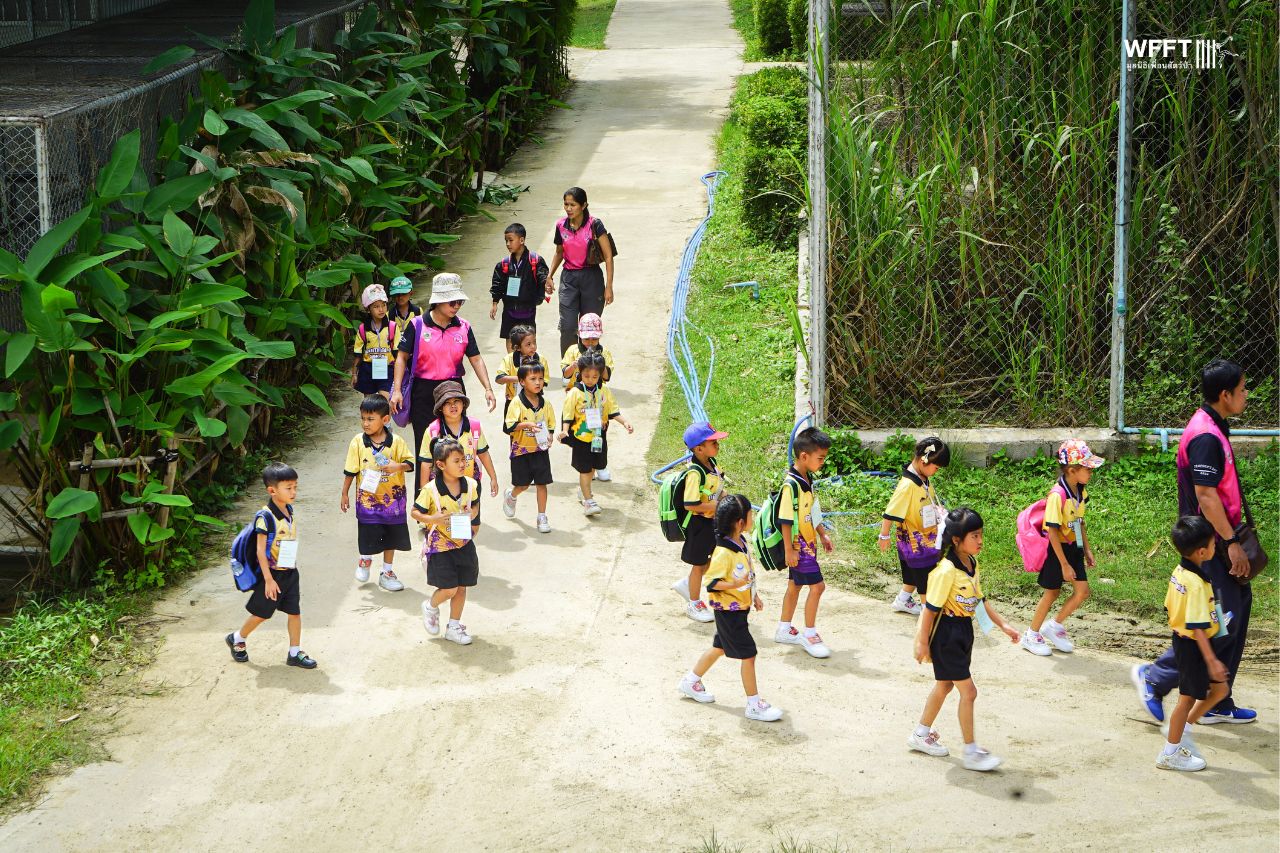
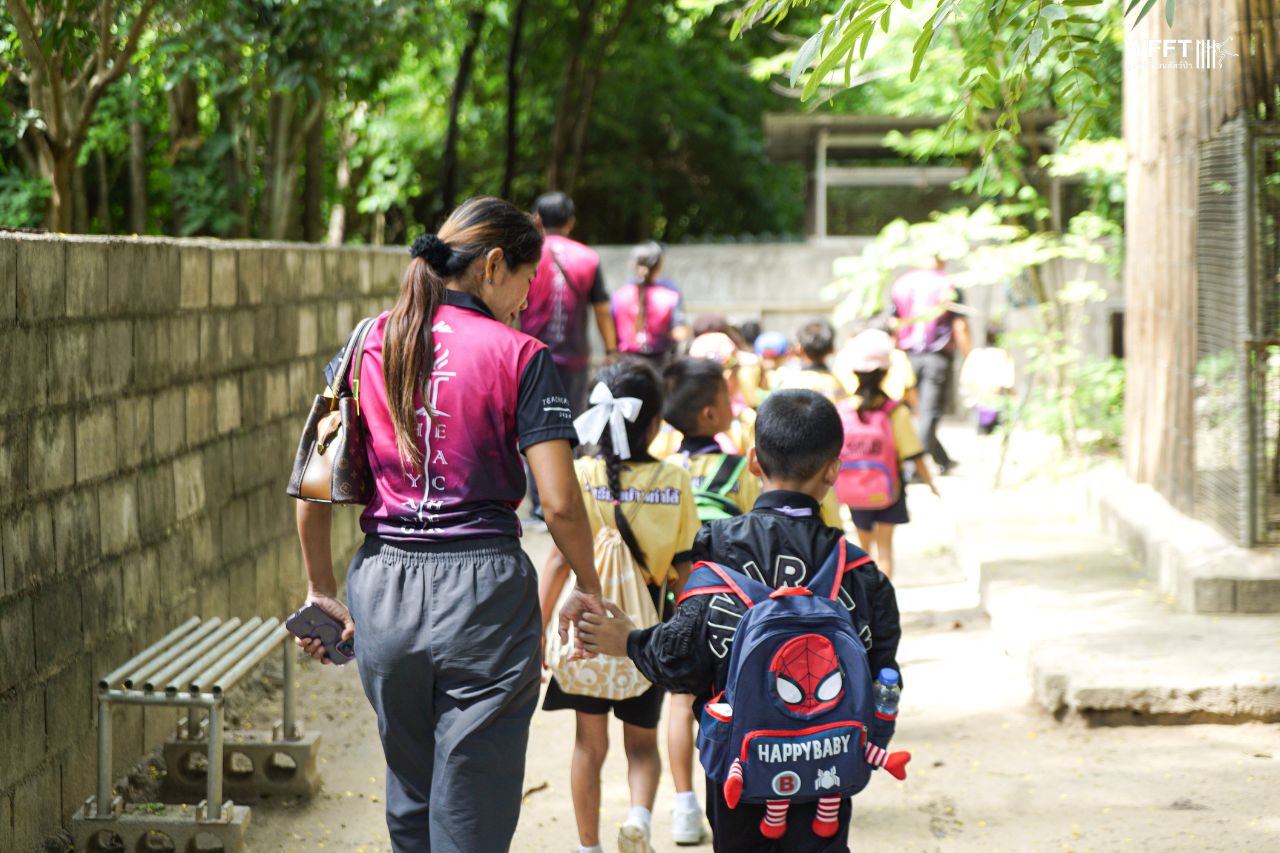
Ban Khao Luk Chang Child Development Centre
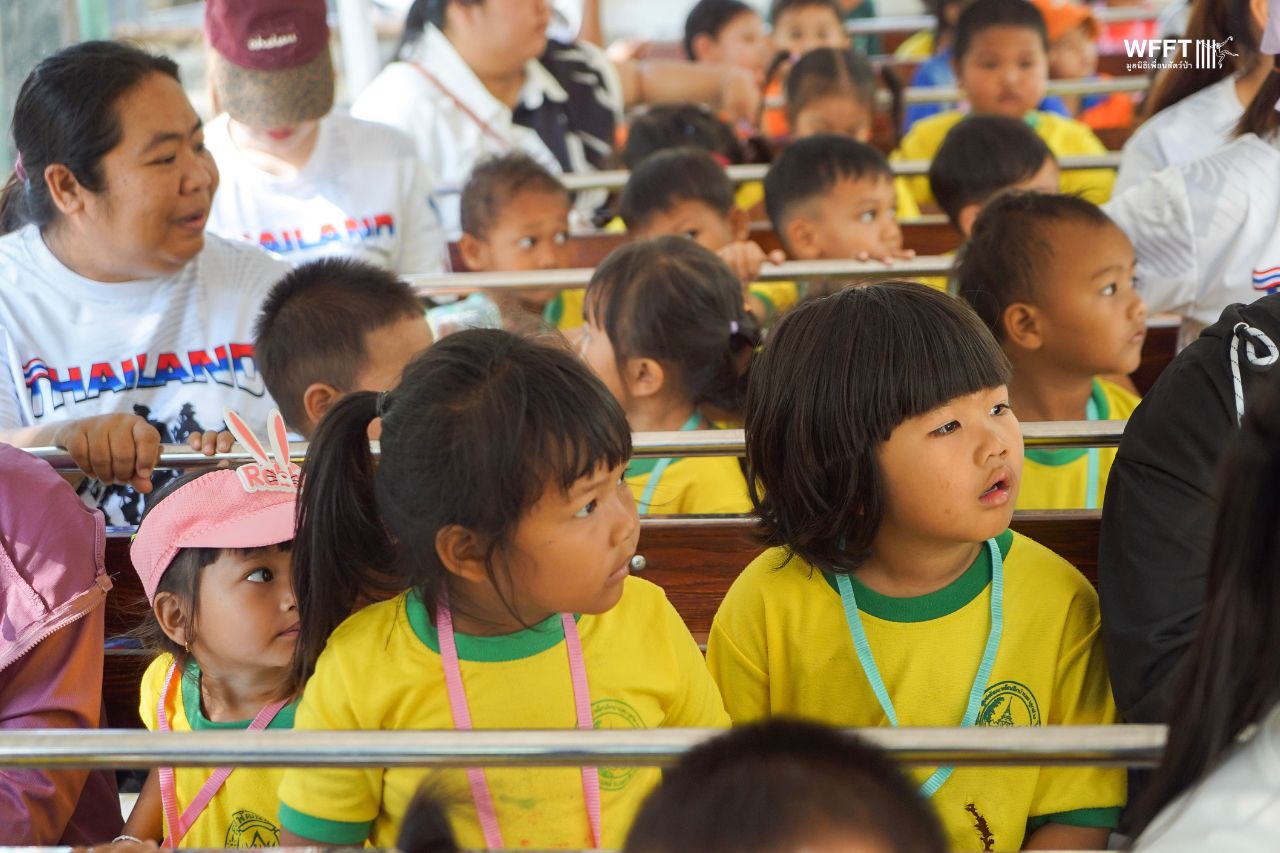
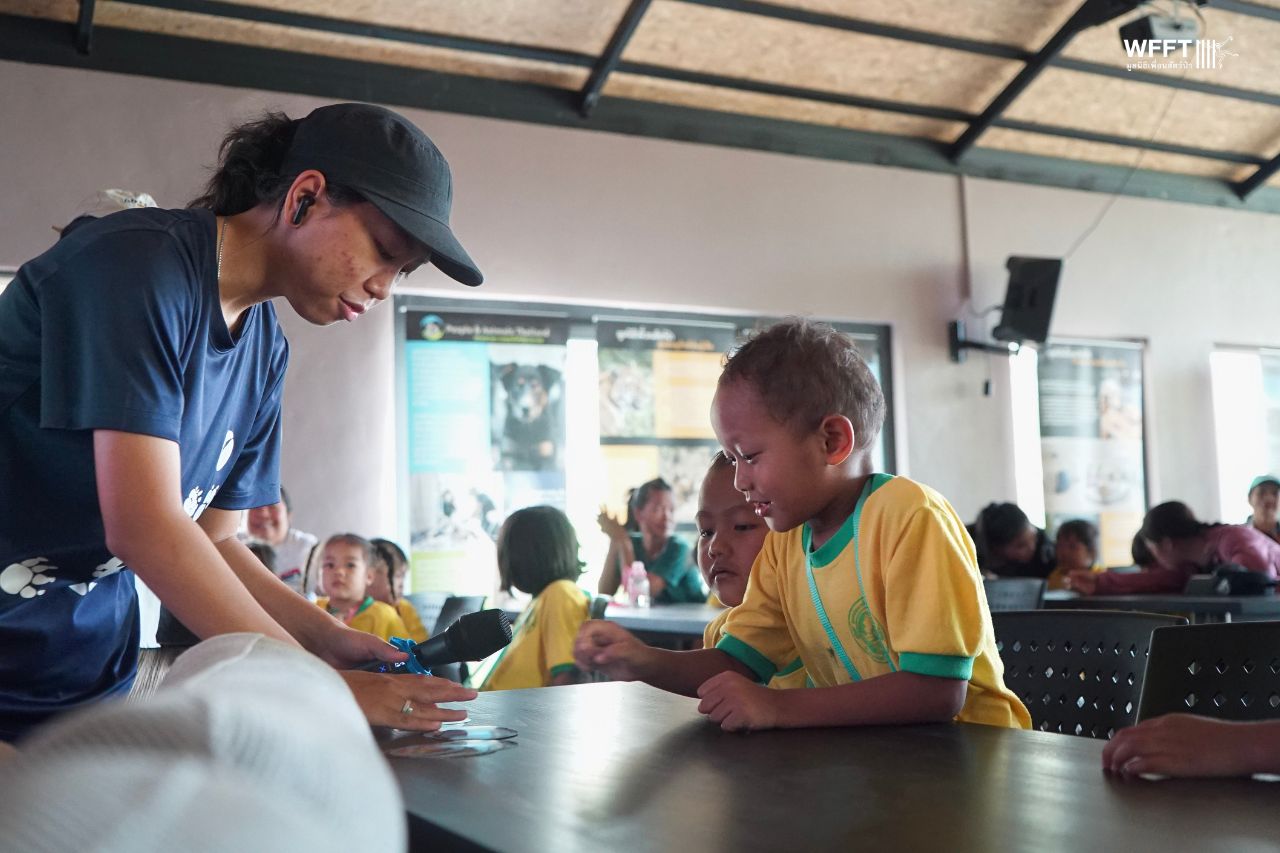
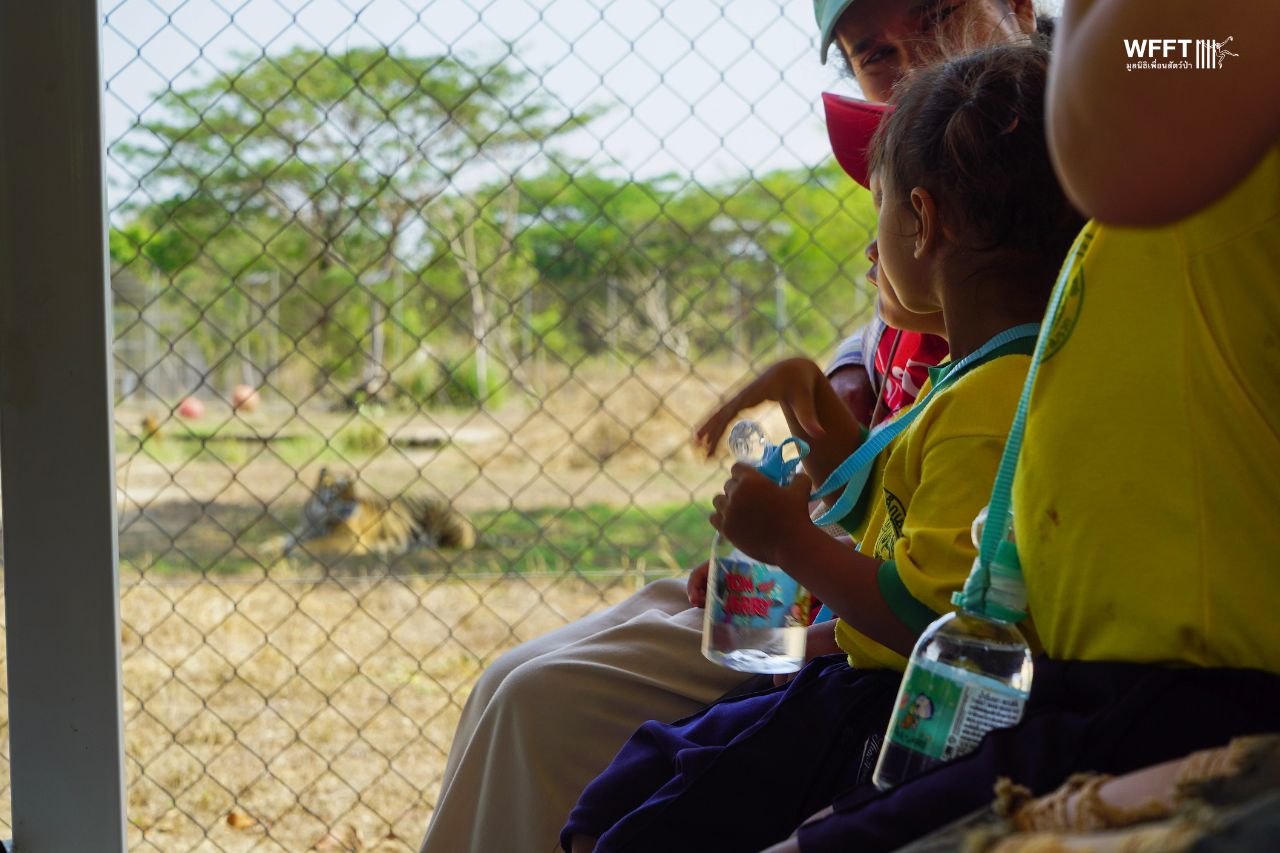
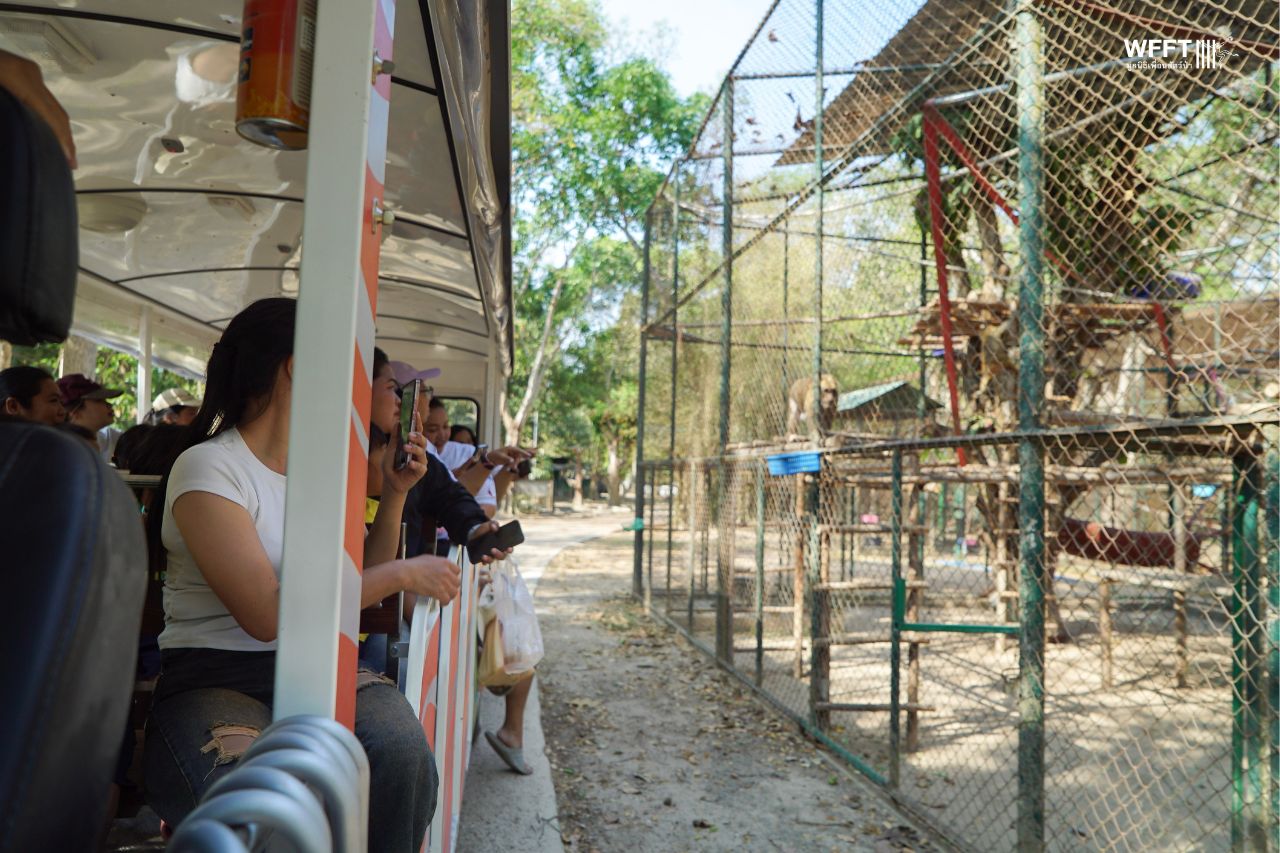
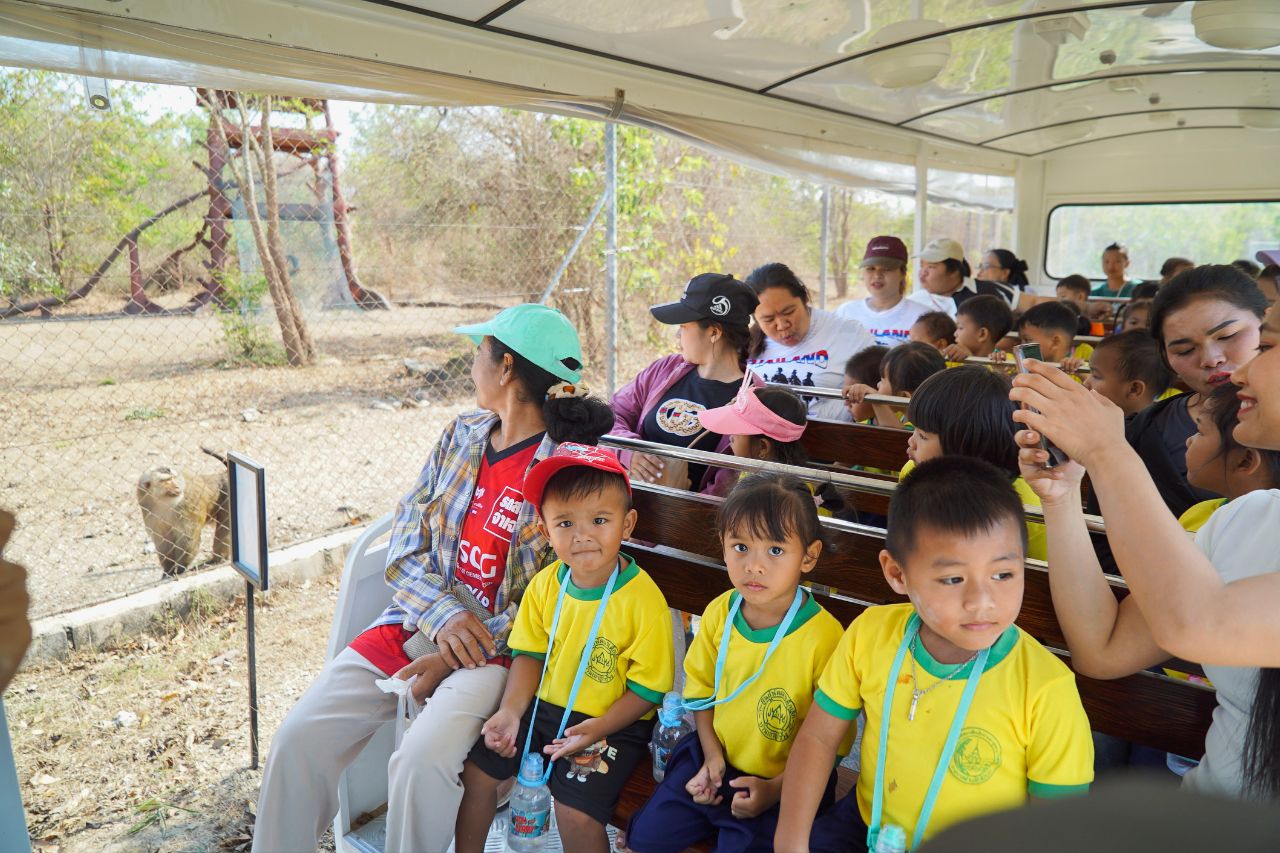
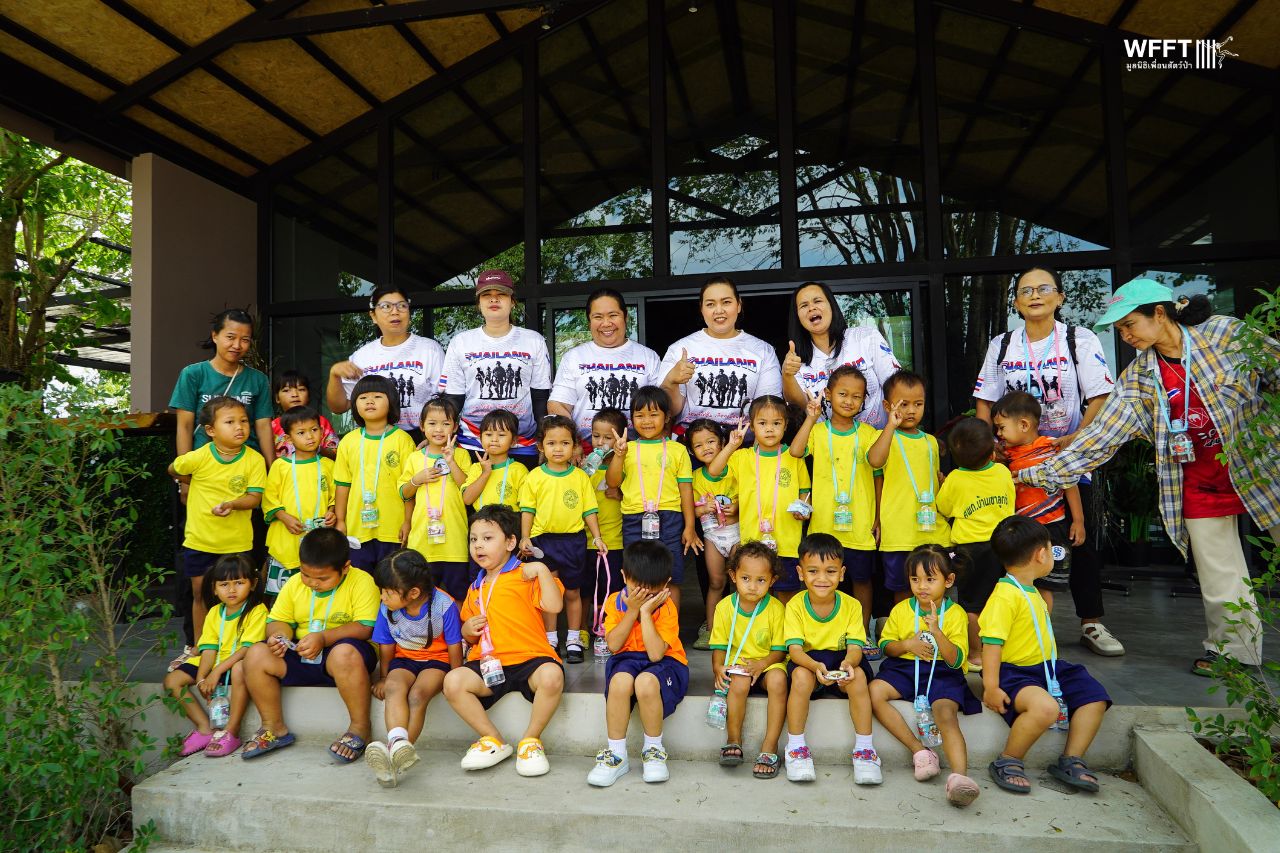
Also located near WFFT, the children from the development centre enjoyed a fun and engaging visit to the sanctuary, where they had the chance to see rescued animals and discover different wildlife species throughout the tour.
For these young learners, aged 2–4, the visit was a simple but meaningful introduction to wildlife, animal welfare, and also helped introduce the idea that wild animals belong in environments where their needs and welfare are respected, encouraging children to grow up with a greater appreciation for wildlife.


Nong Chum Saeng Wittaya School
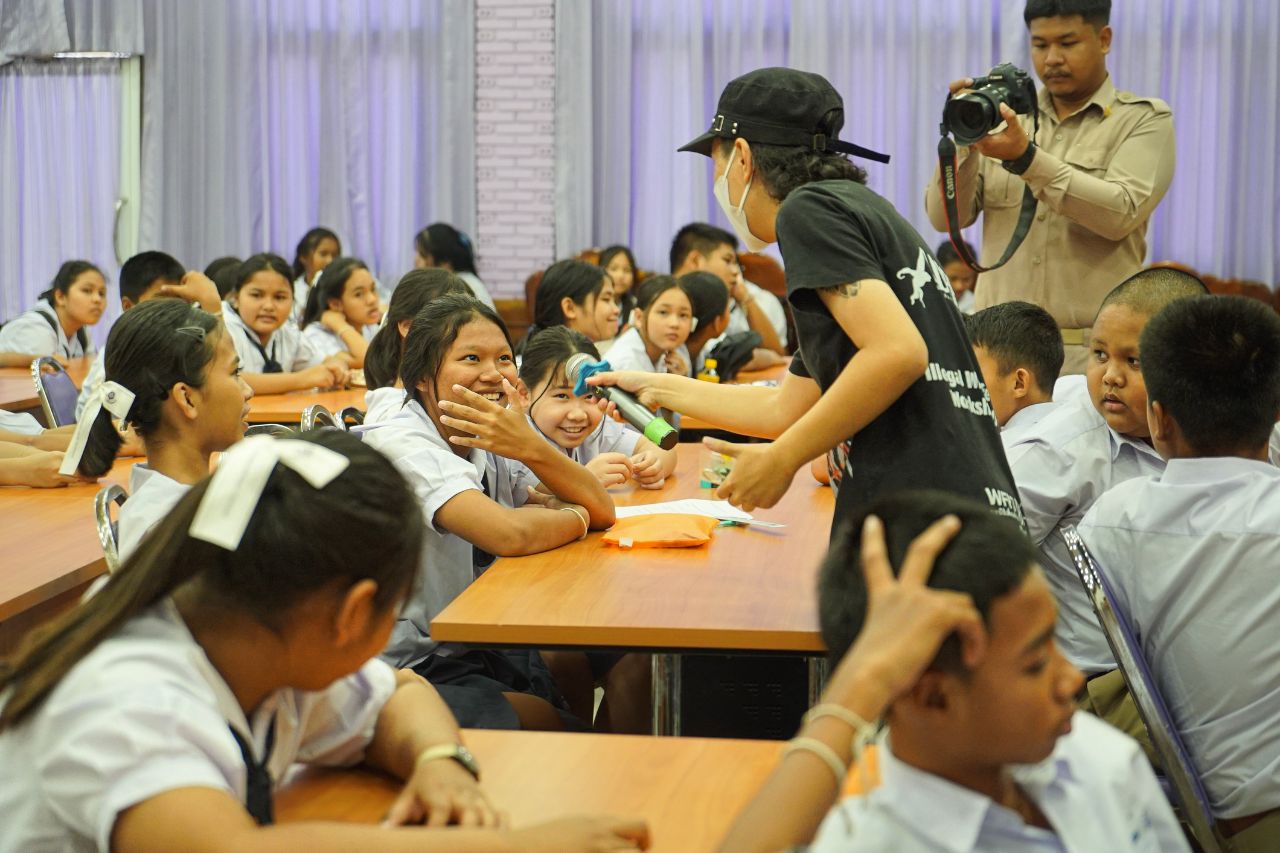
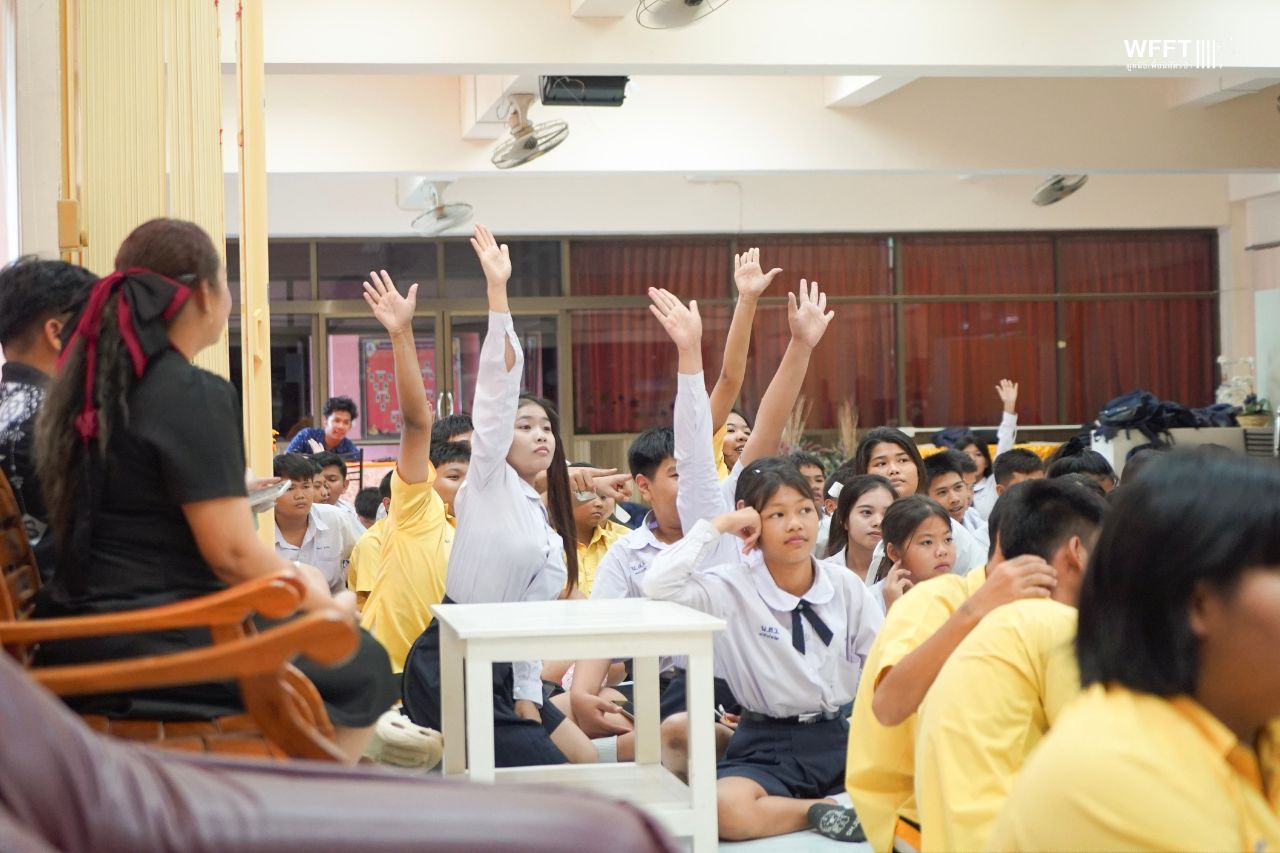
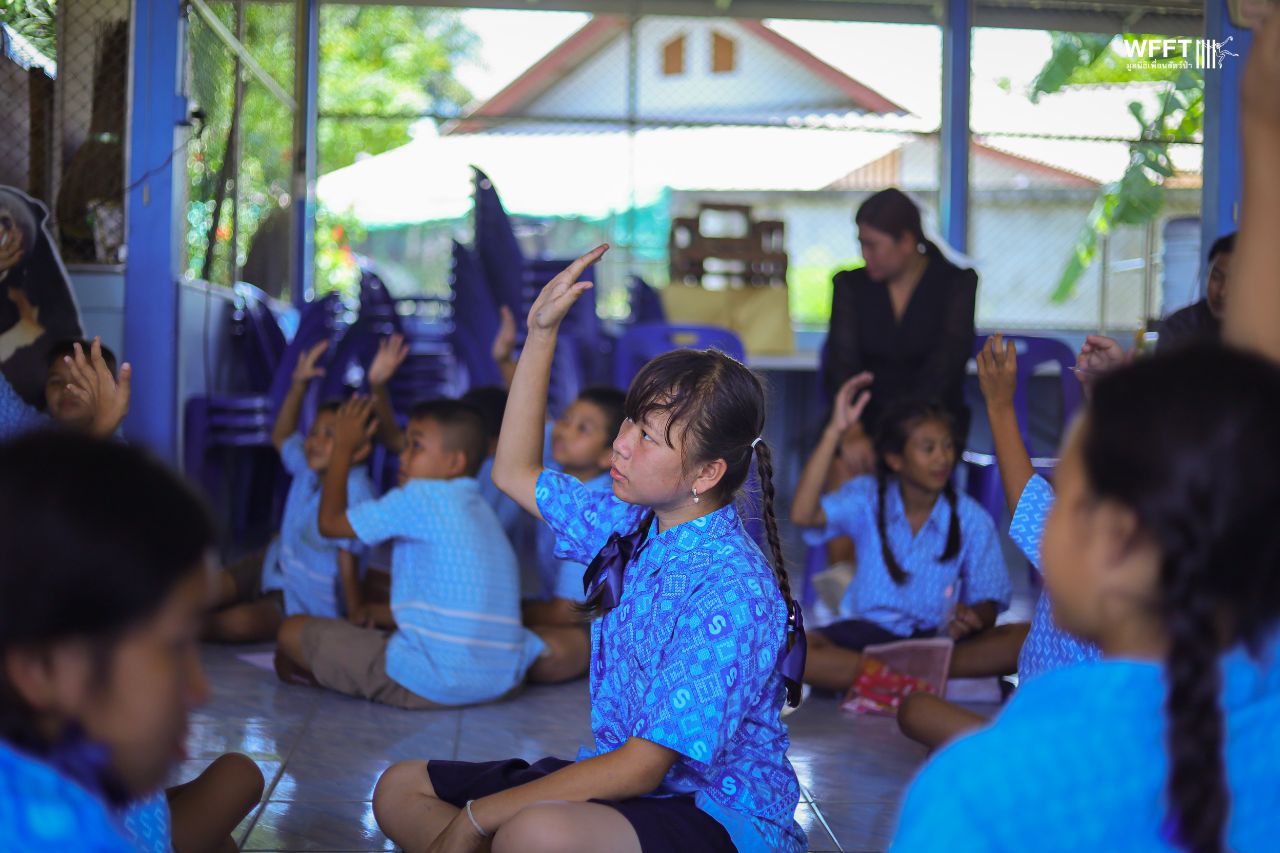
Located in Tha Yang, not far from WFFT, the students took part in an engaging wildlife education session. They were energetic and eager to explore the topic, actively participating in the activities and sharing their thoughts throughout the session.
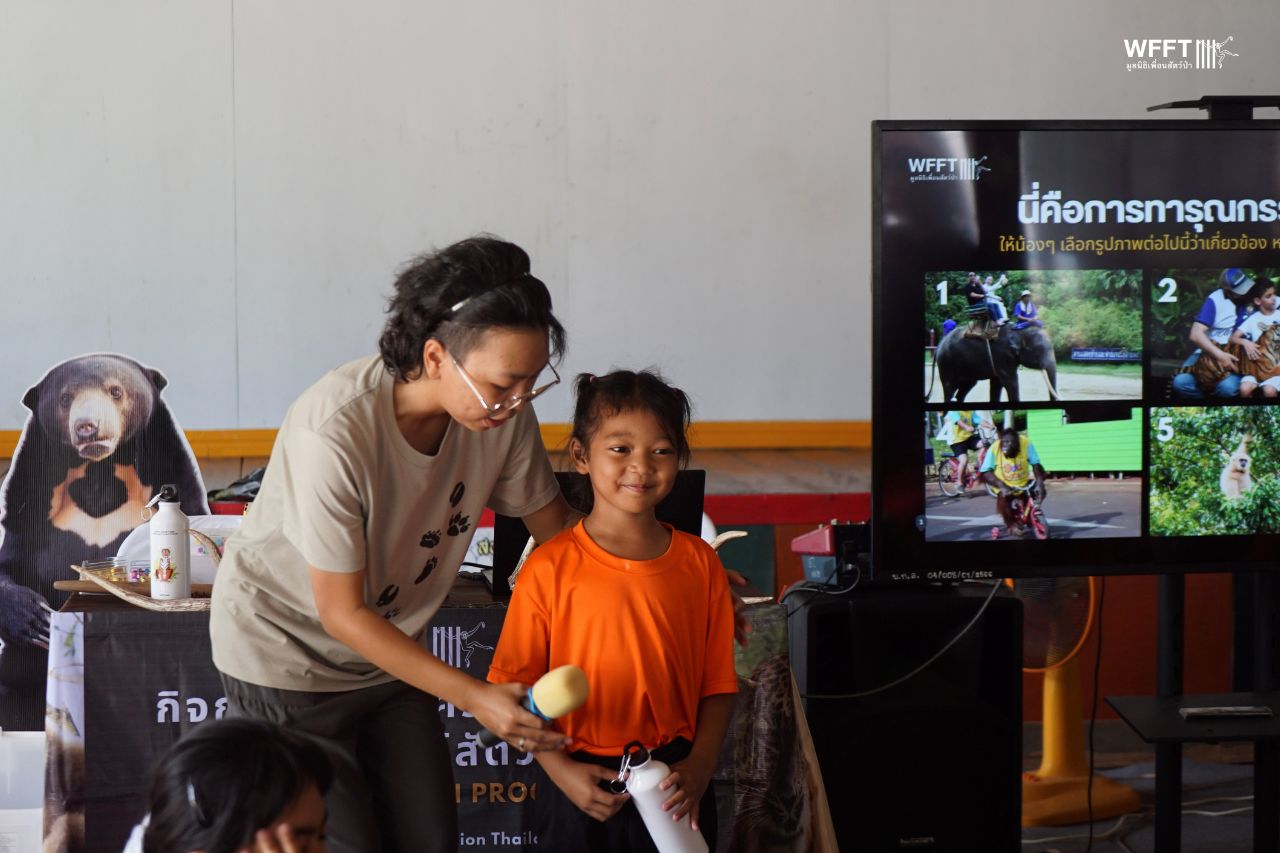
Through the activities, they gained a better understanding of why wild animals should not be kept as pets, and how doing so can have serious consequences for both animals and people. The session also encouraged them to think about responsible ways to appreciate and protect wildlife while respecting their natural behaviours and habitats.
Ban Sara Hed School
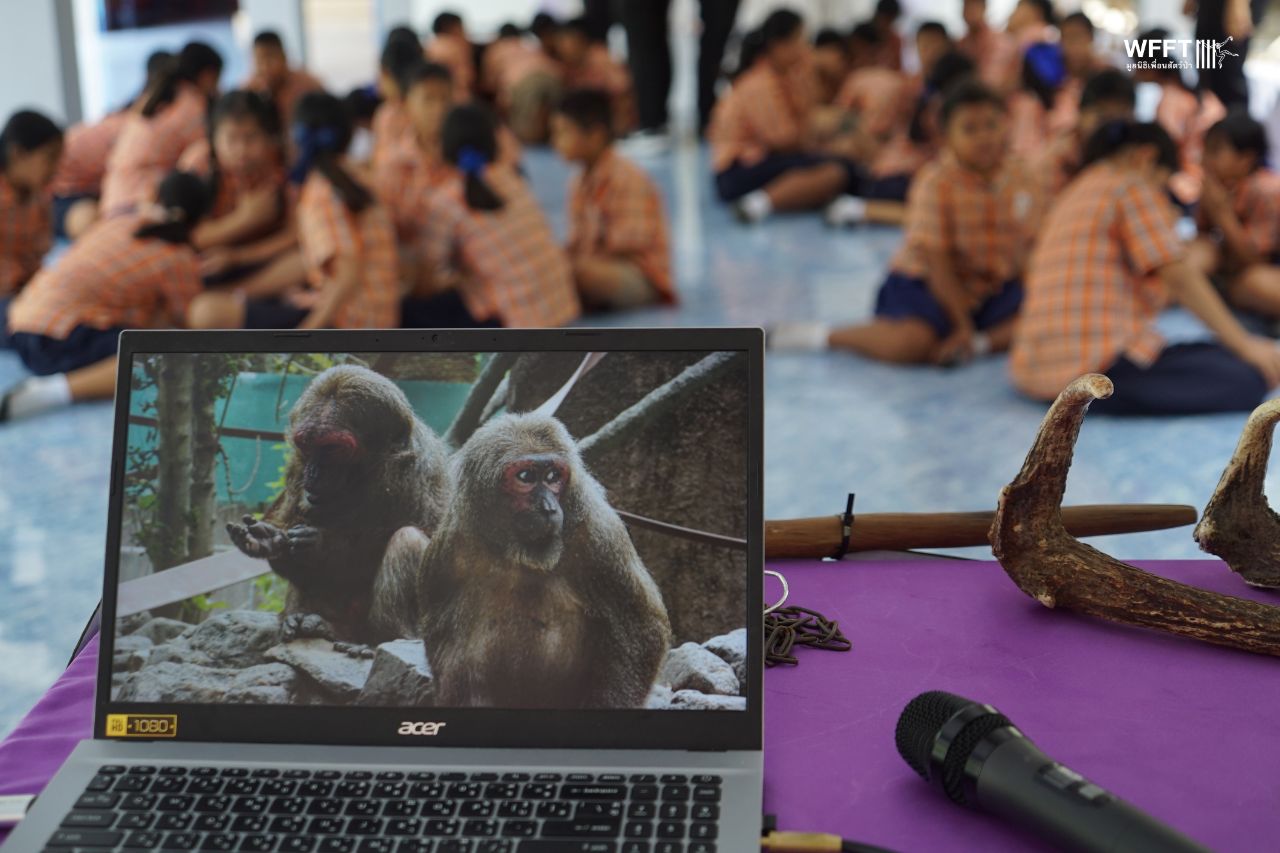
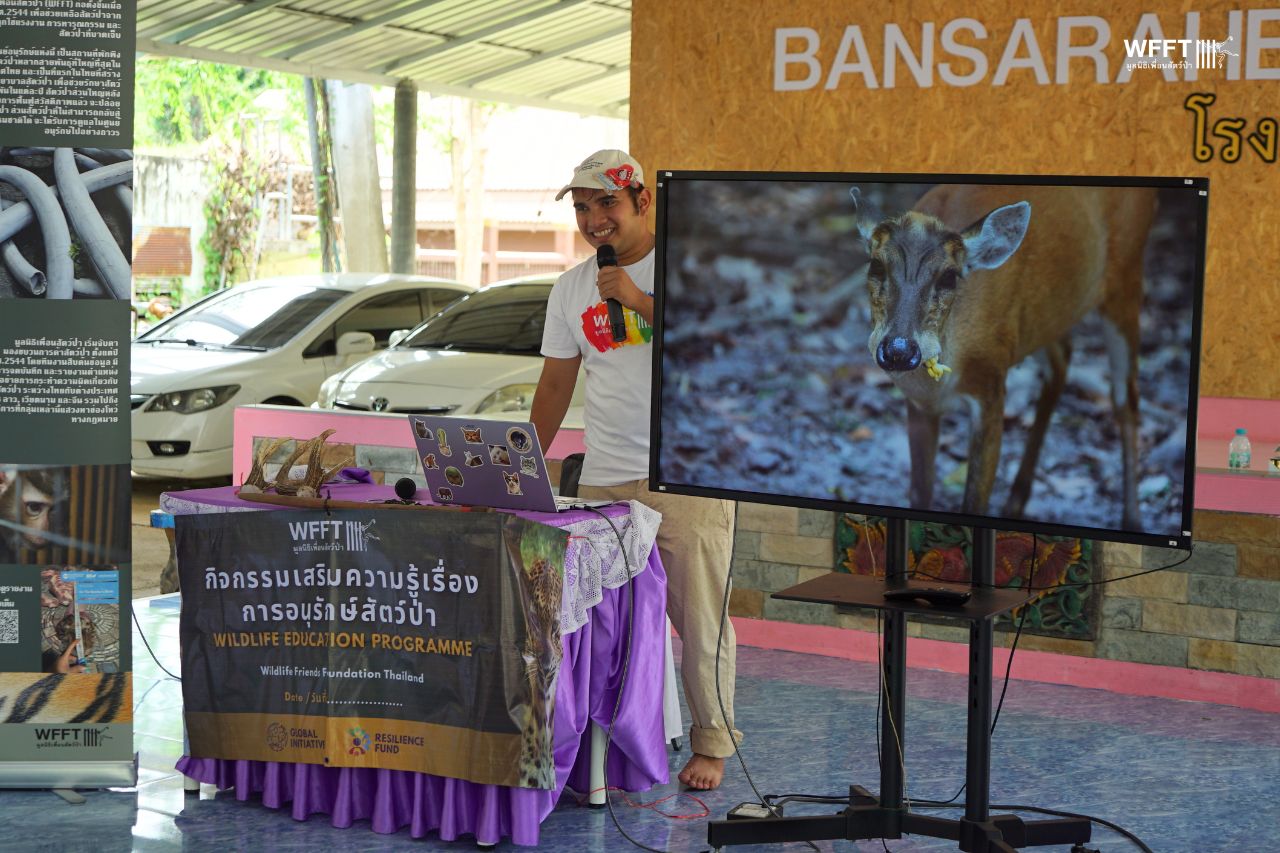
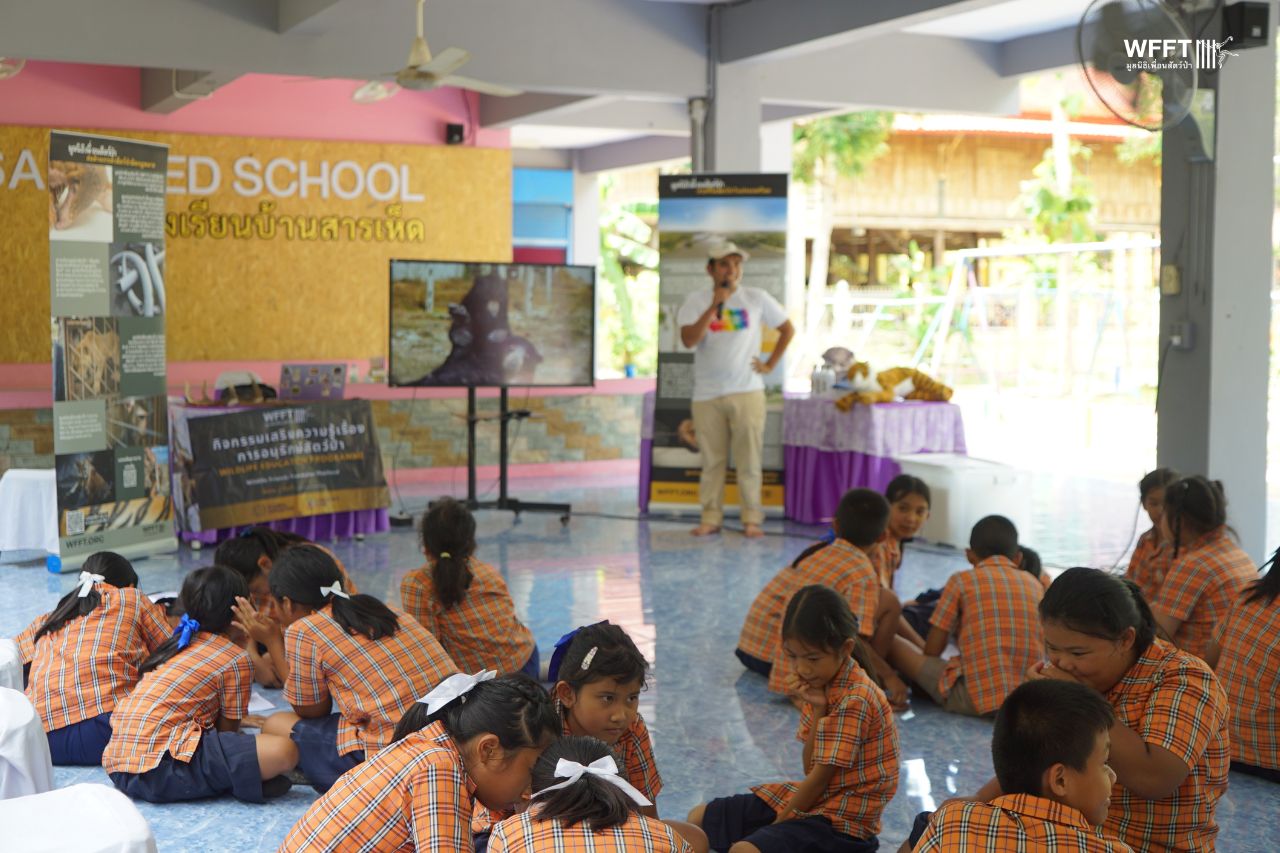
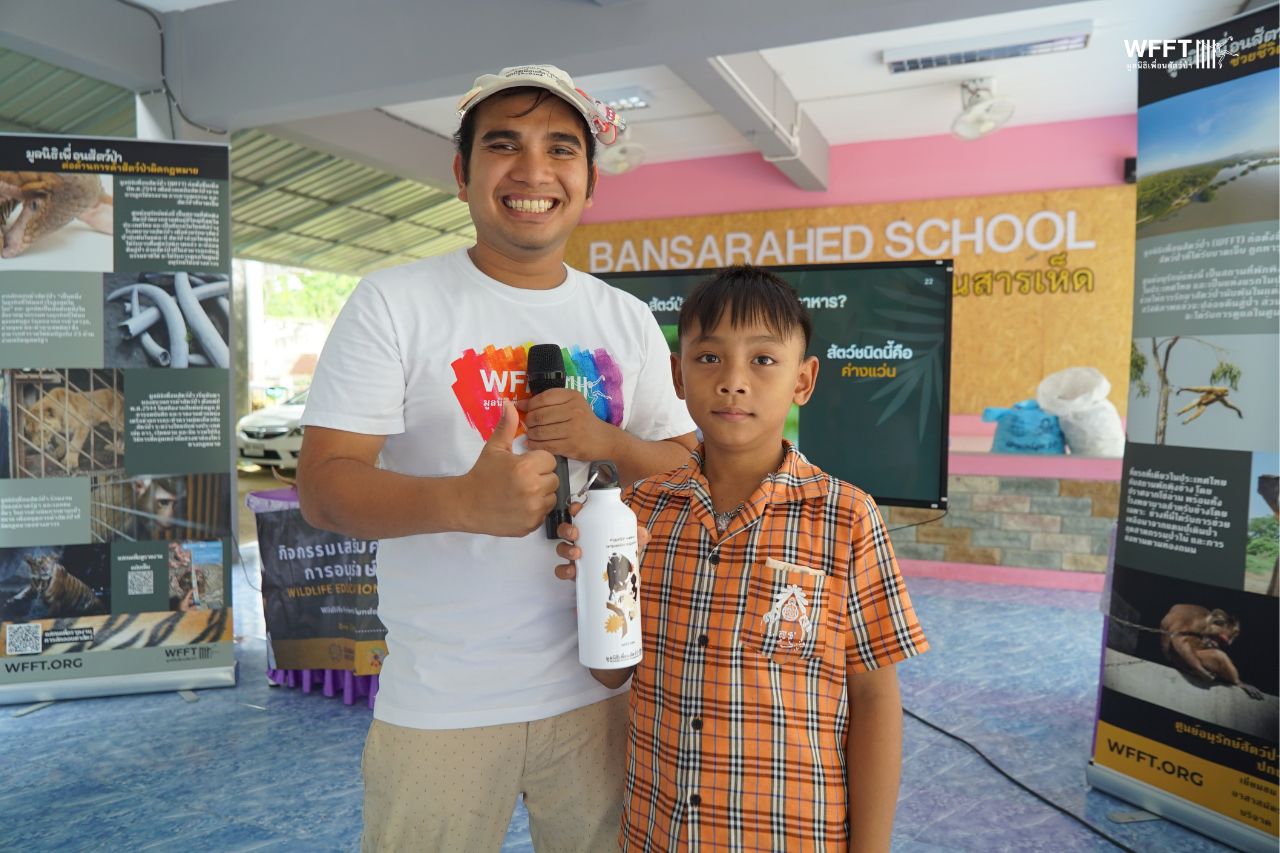
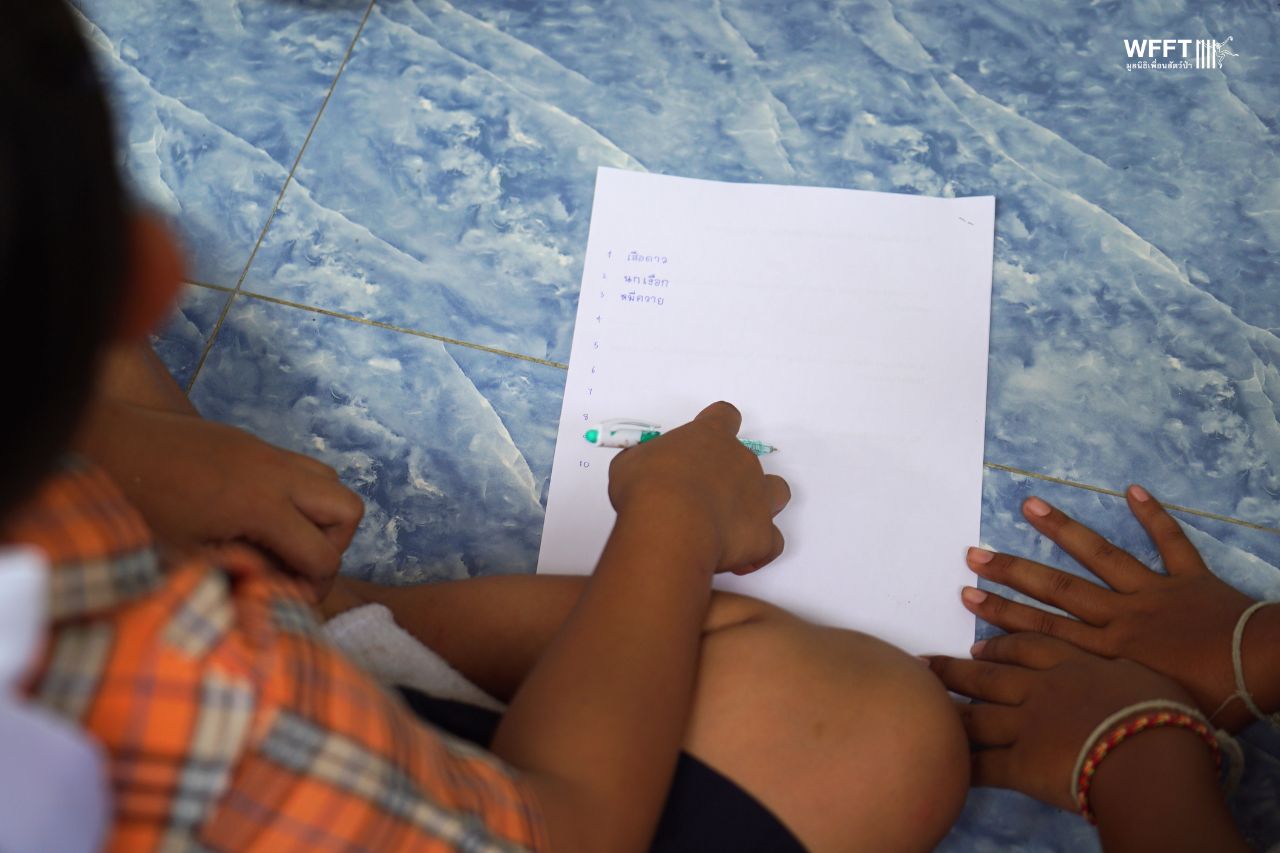
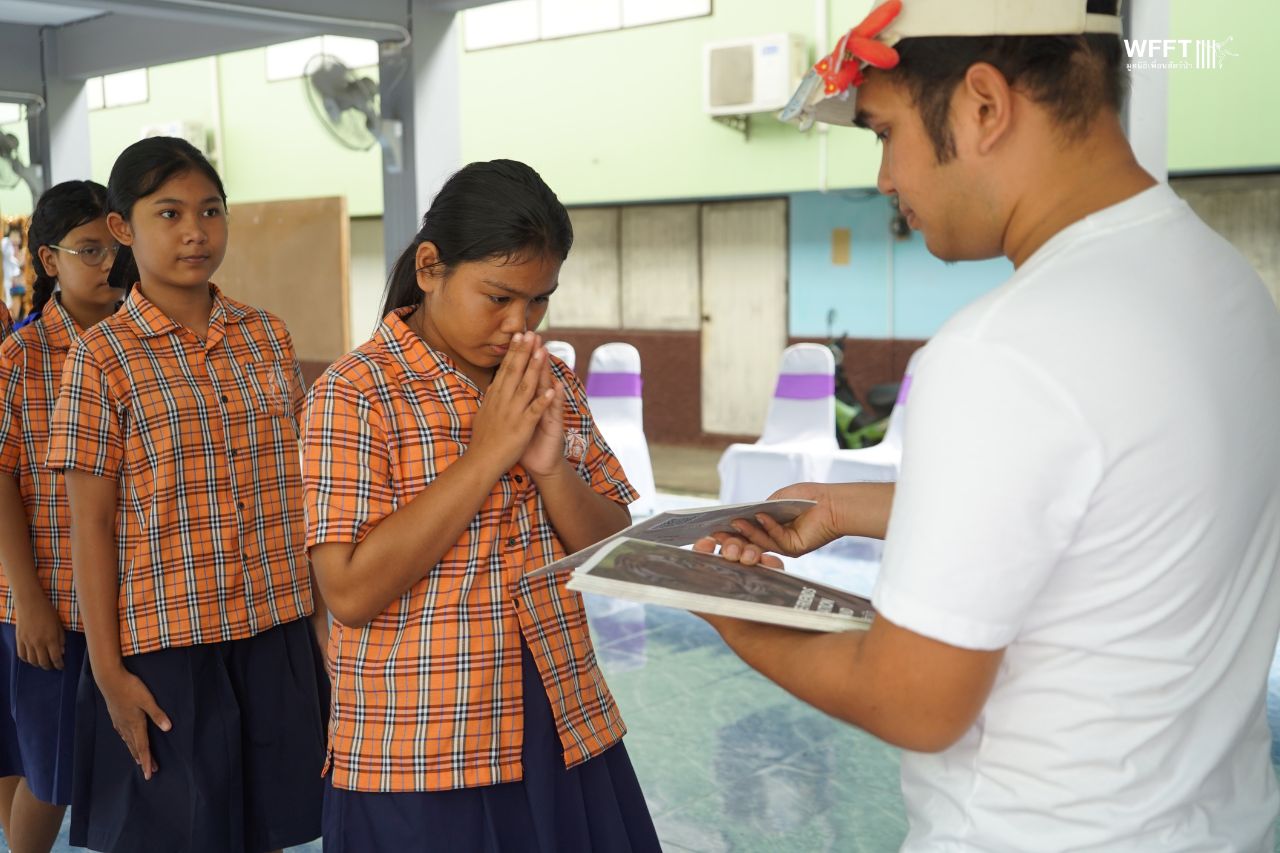
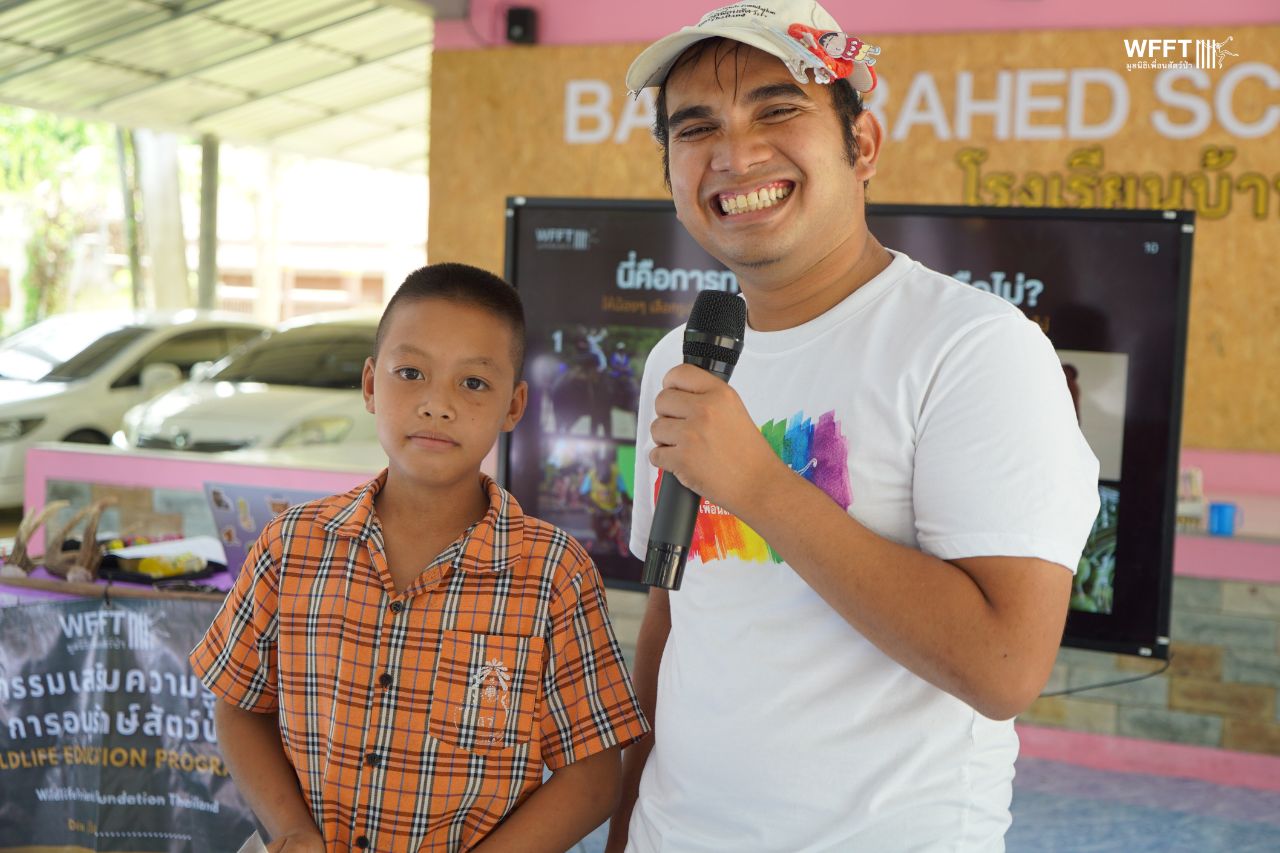
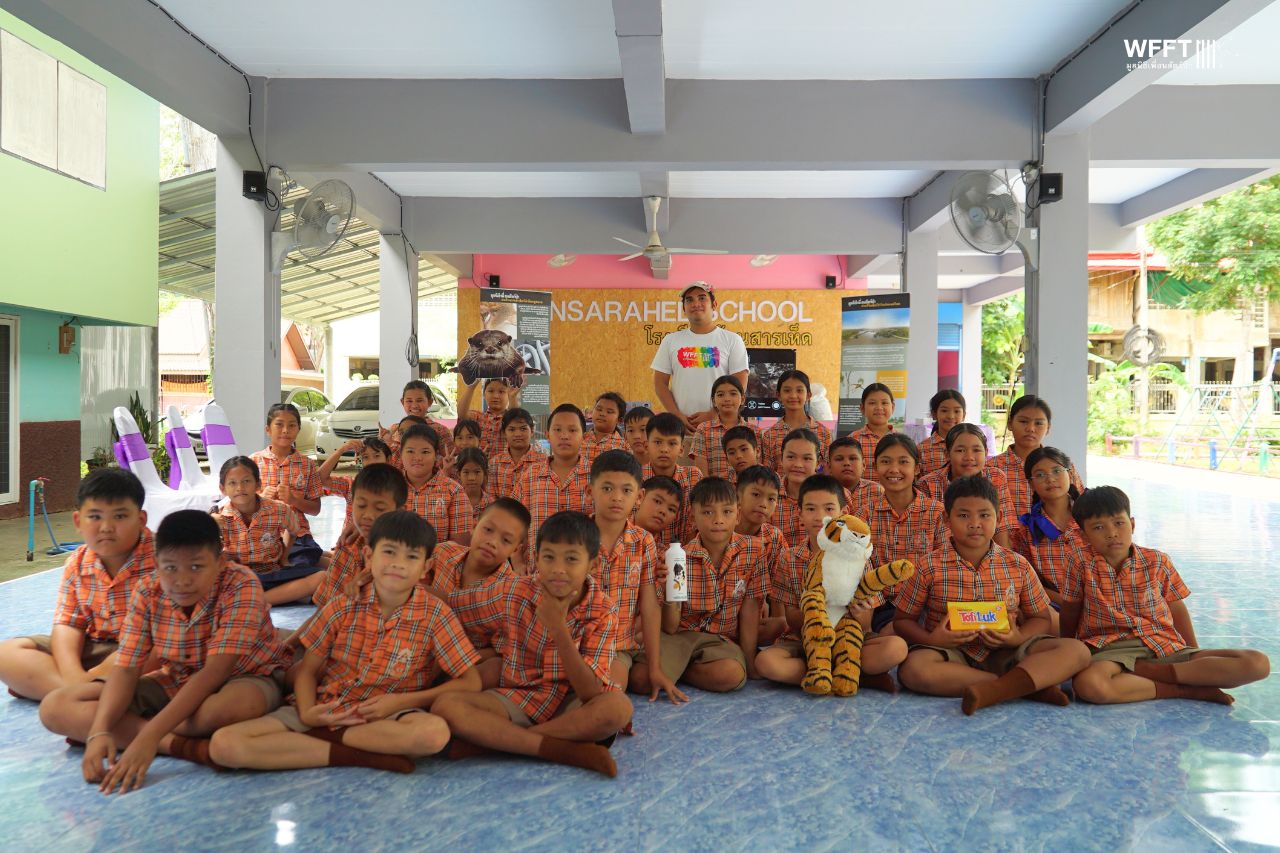
Located in Tha Yang, the students took part in an engaging wildlife education session where they learned more about the realities of keeping wild animals as pets. They discovered that wild animals can pose risks to people, including children, and that their behaviour and needs are very different from those of domestic animals.
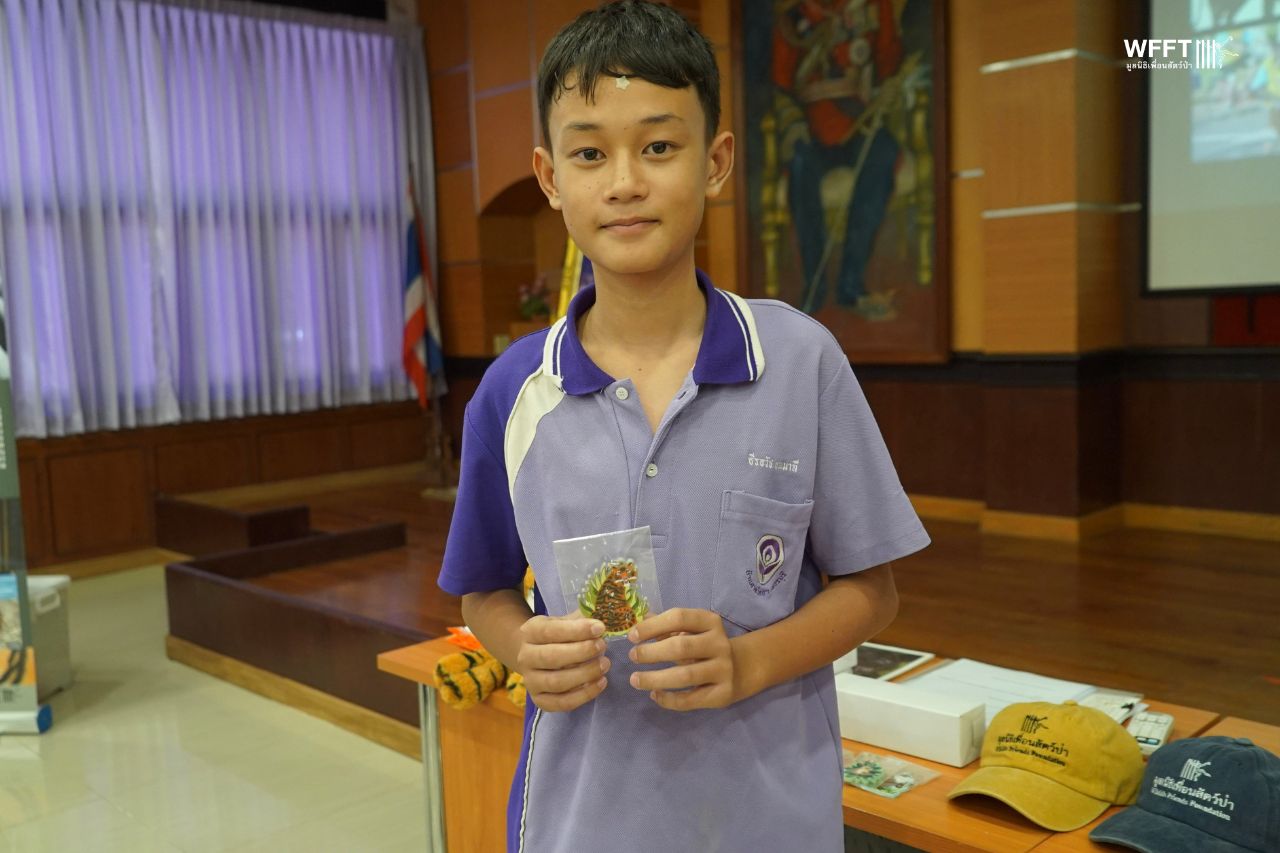
The session also helped students understand the suffering and stress that wild animals can experience when they are taken from the wild or kept in unsuitable conditions. By the end of the activity, the students were encouraged to make a simple but meaningful commitment to treat animals with kindness, avoid harming them, and help protect wildlife in the future.
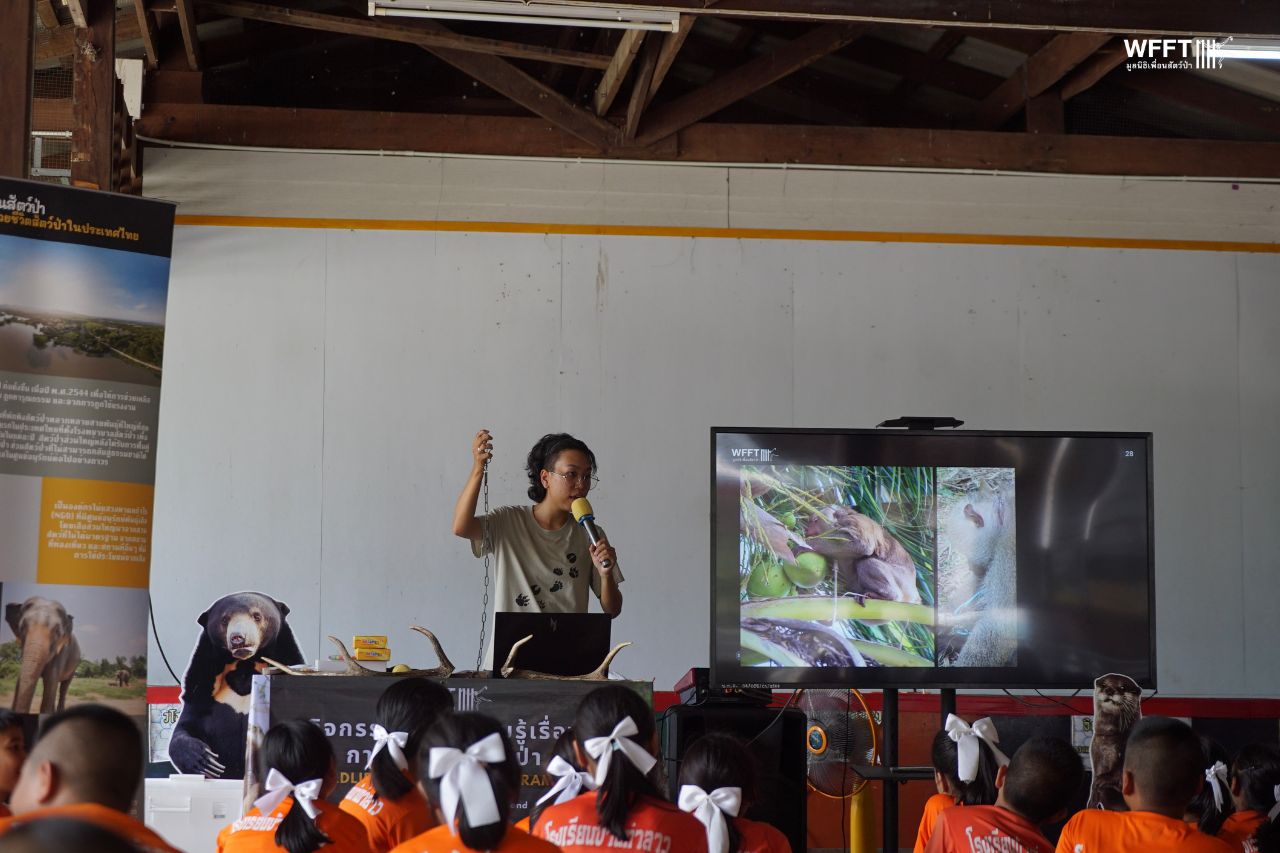
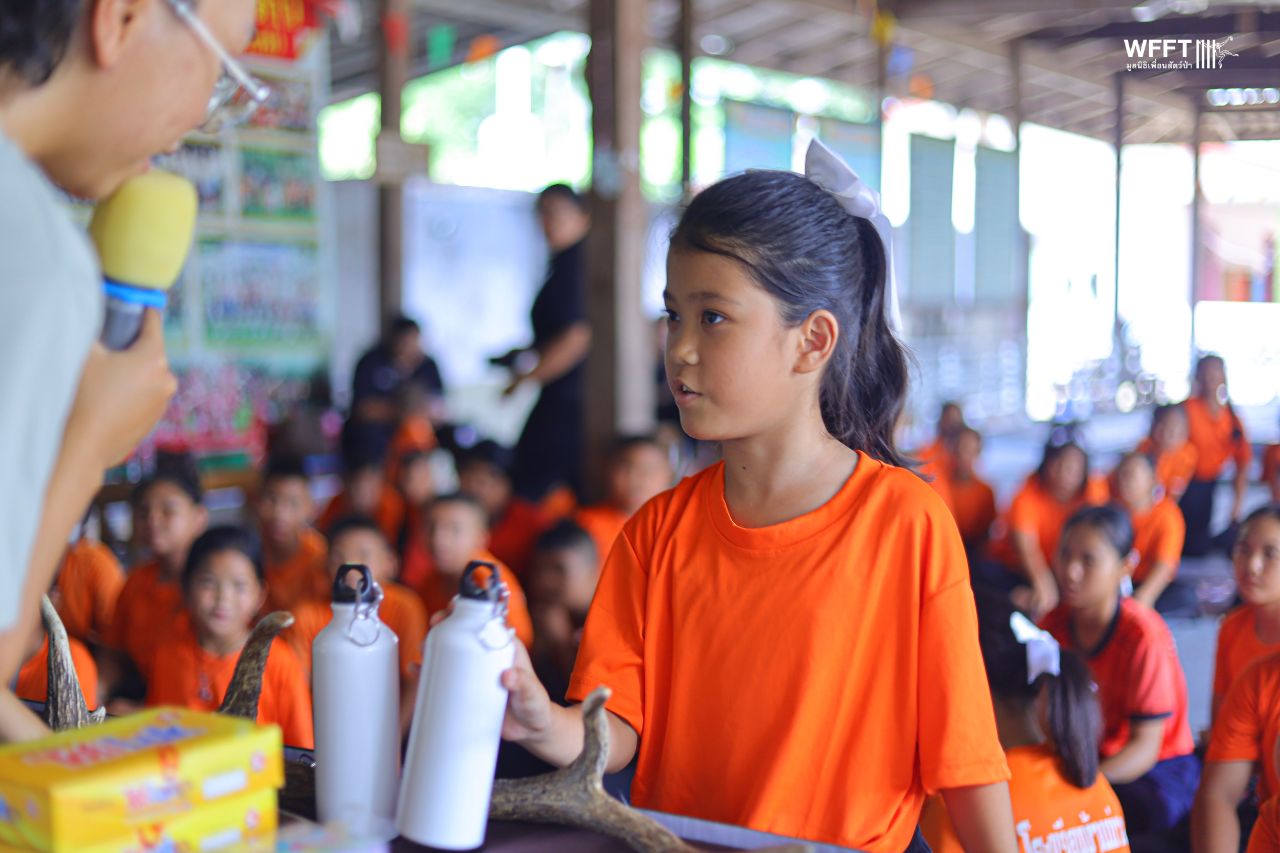
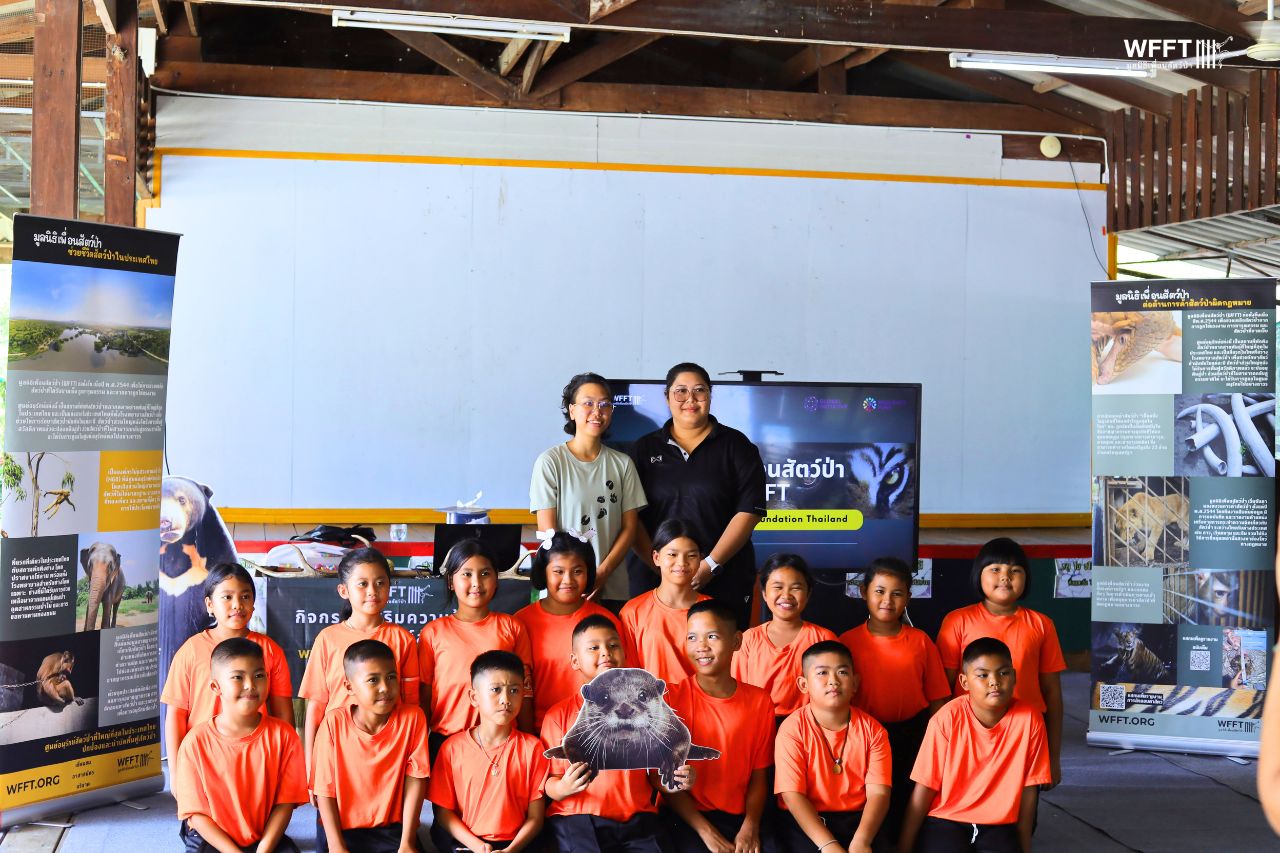
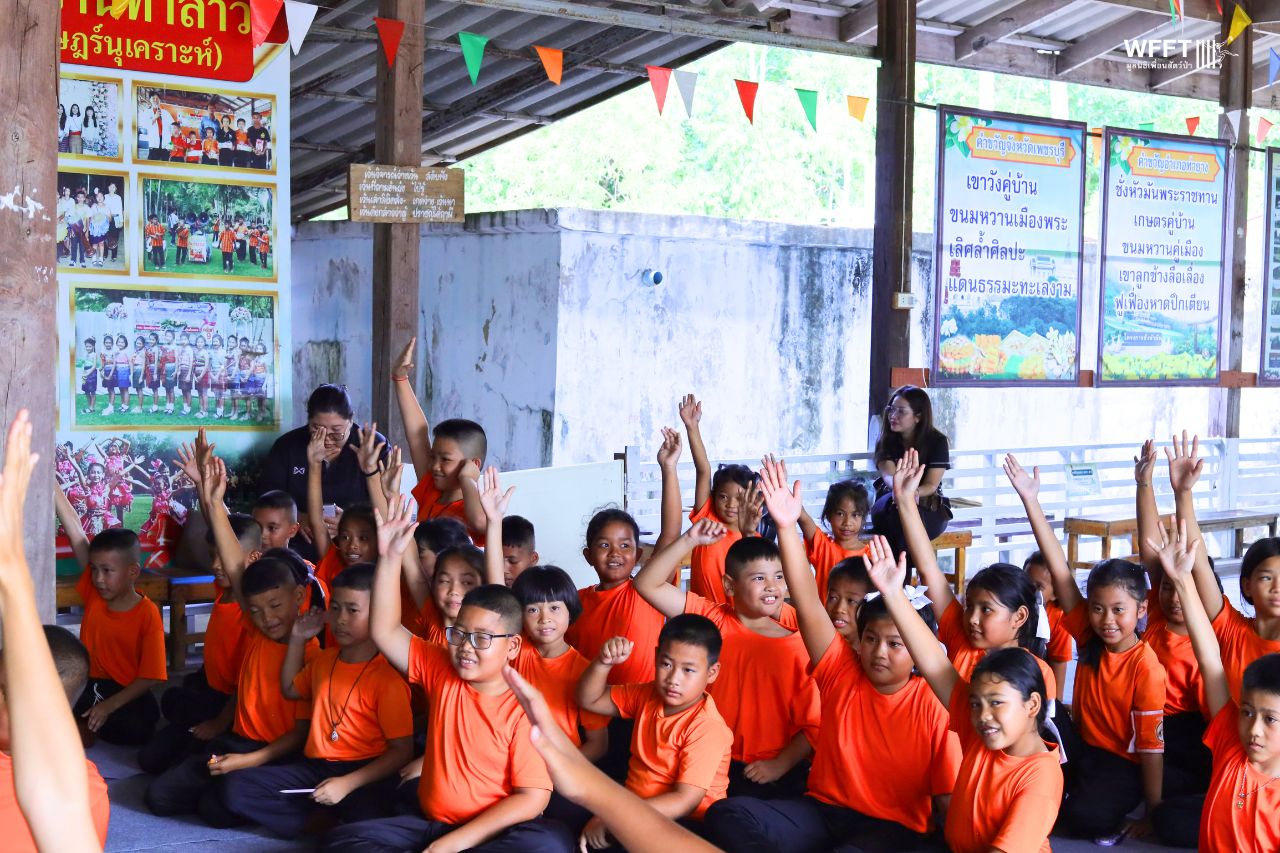
Ban Tha Lao school
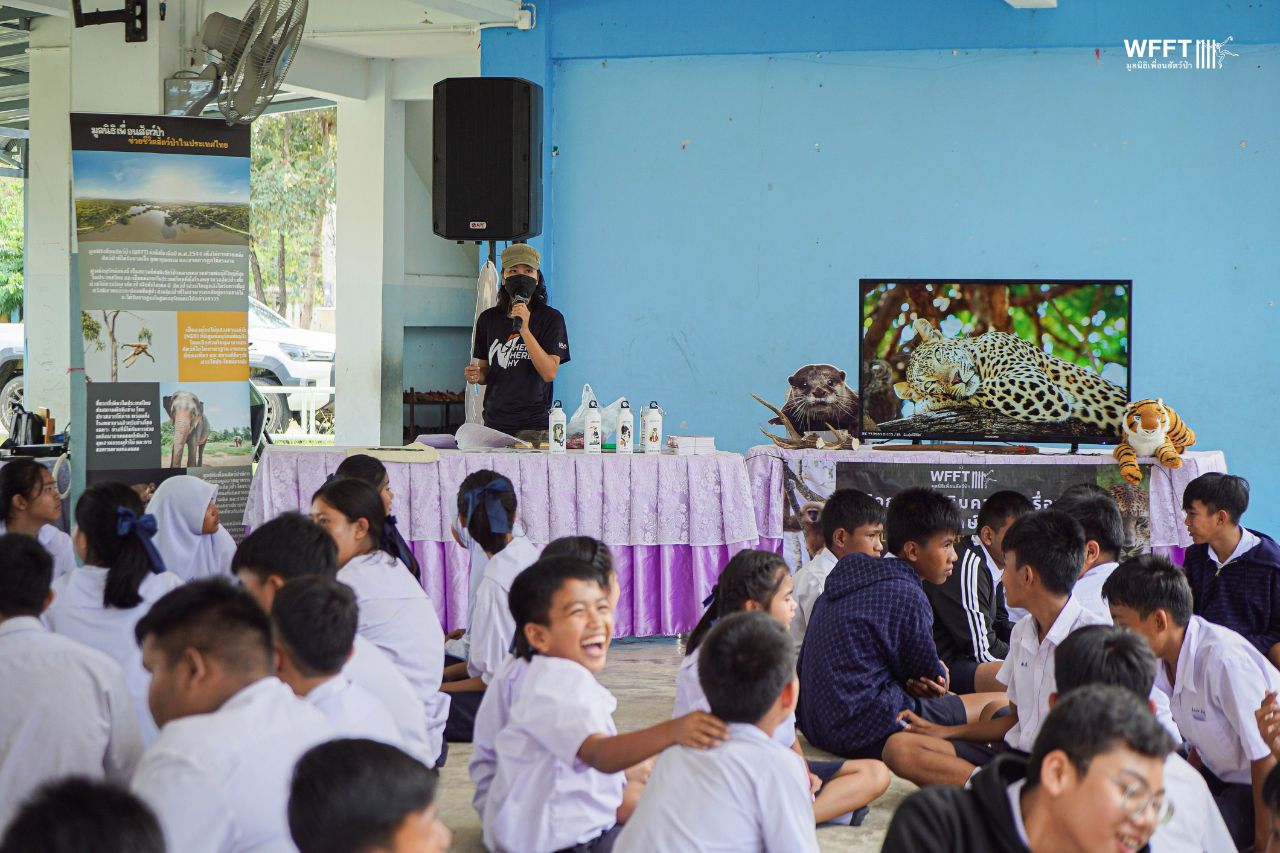
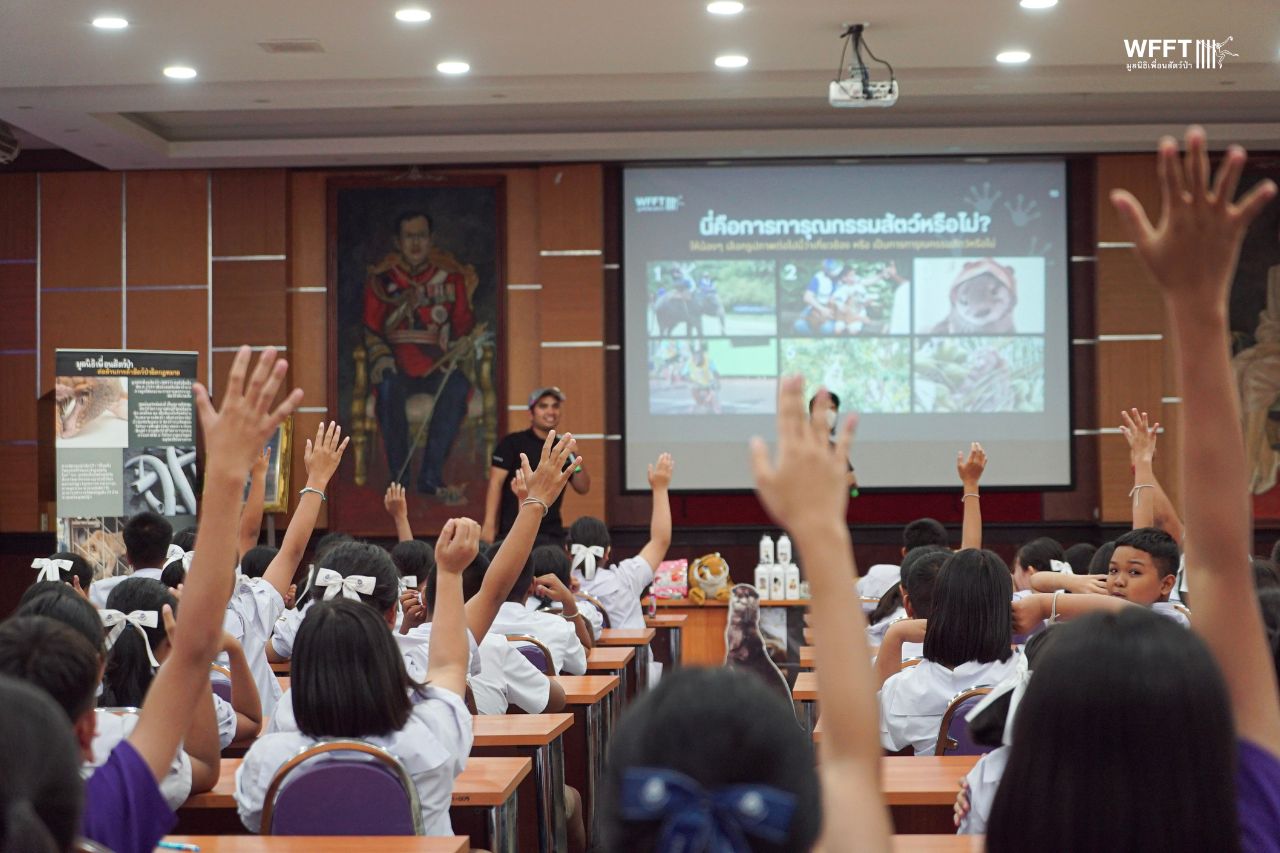
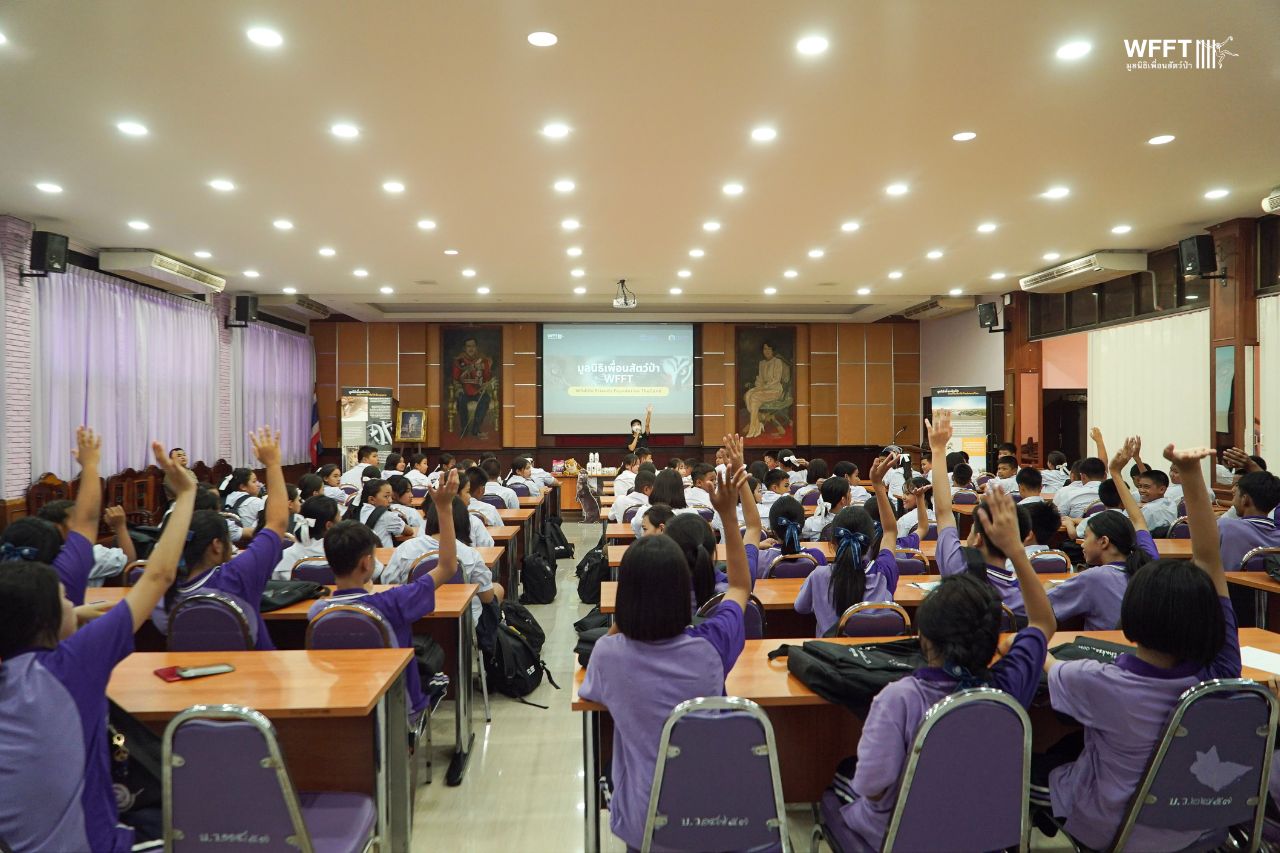
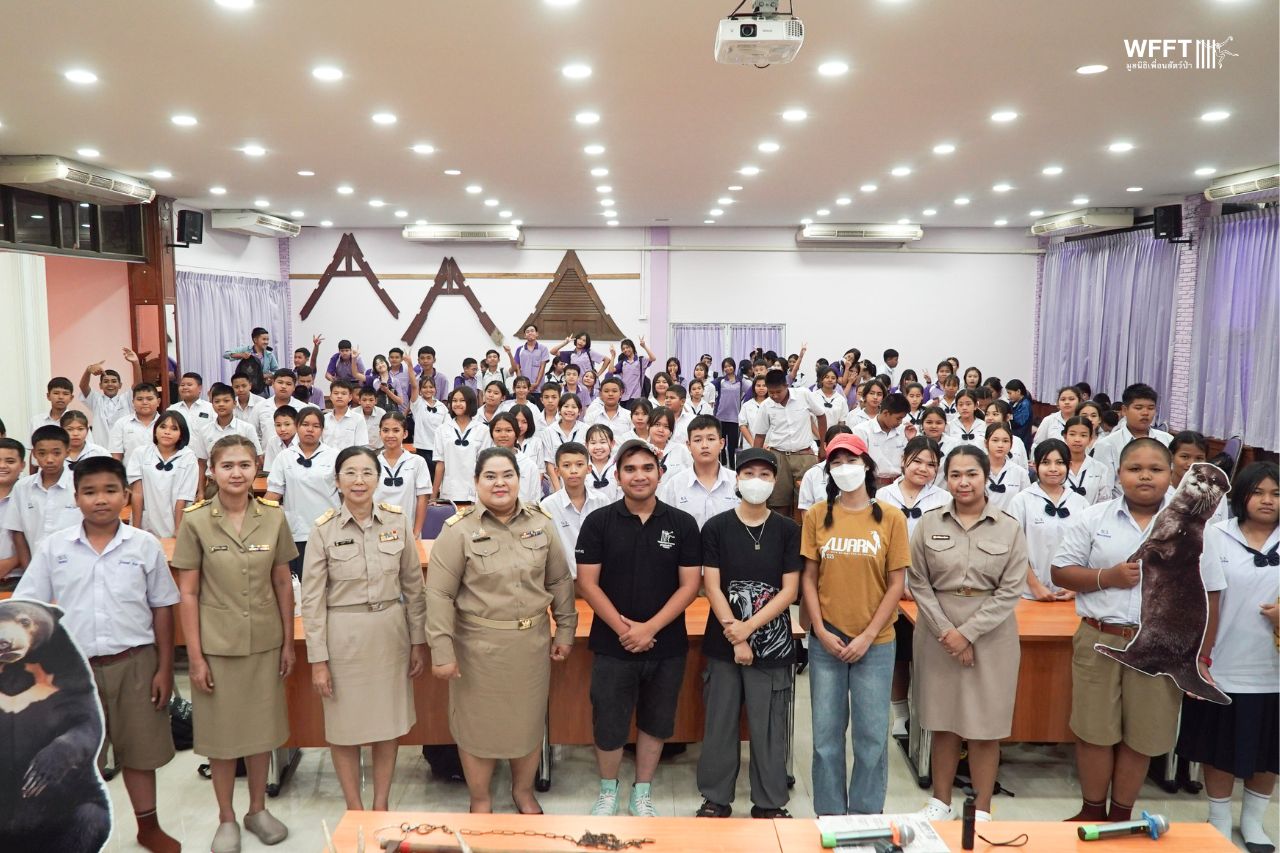
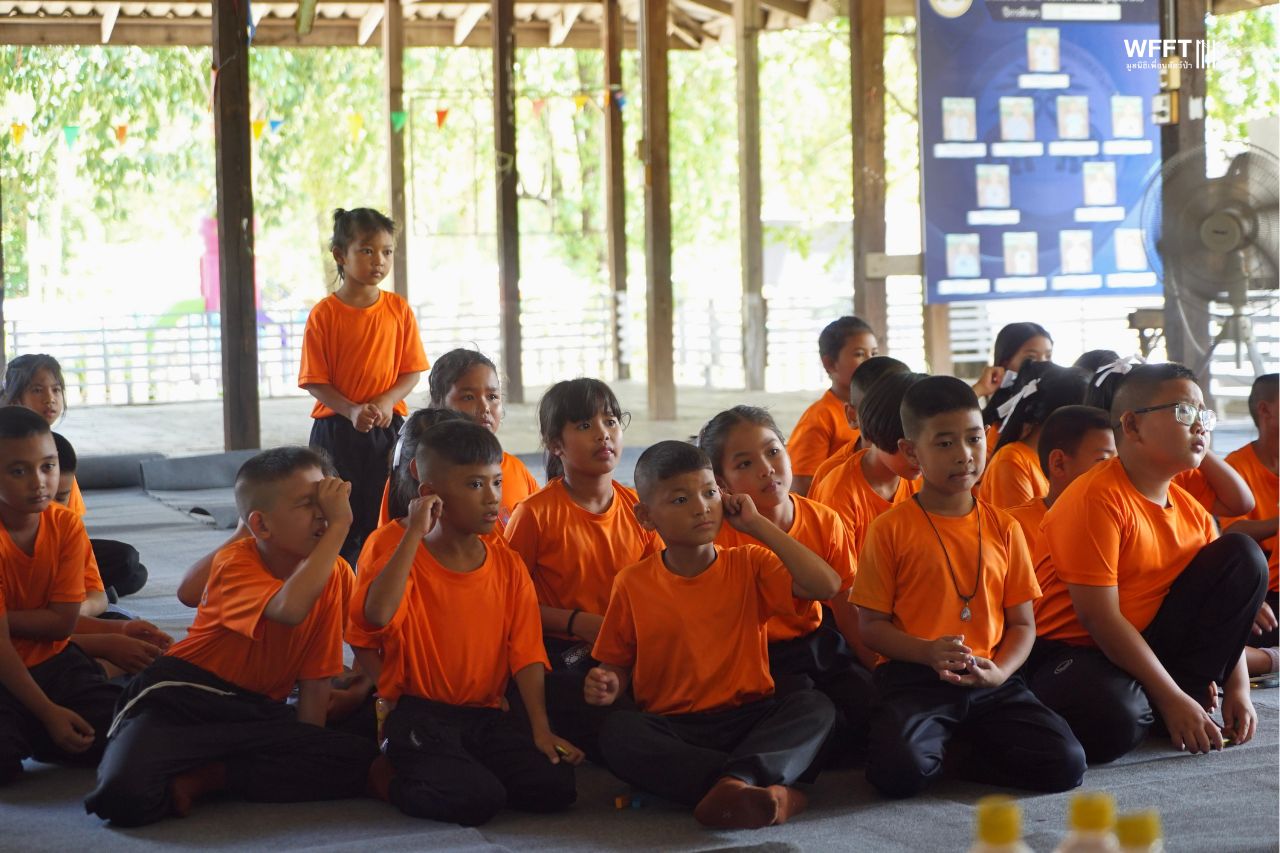
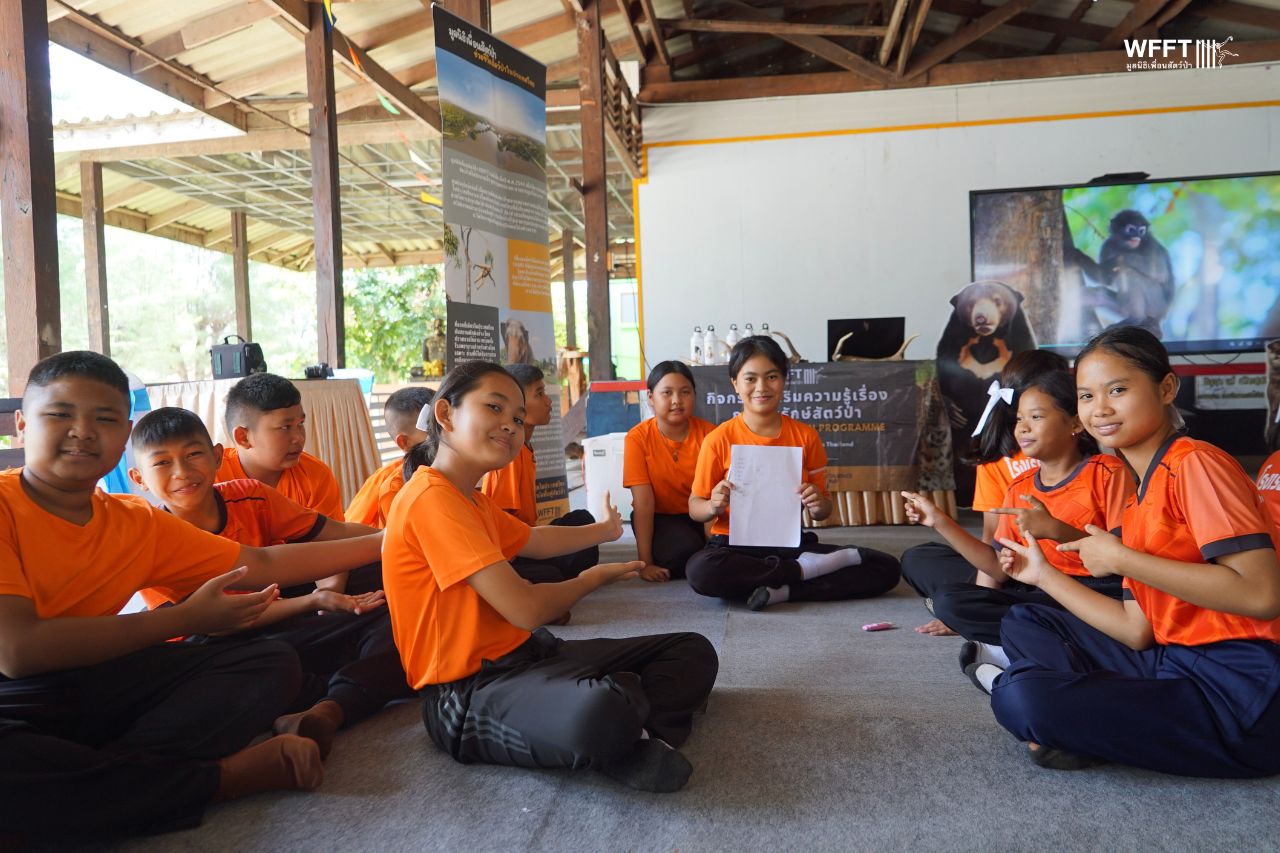
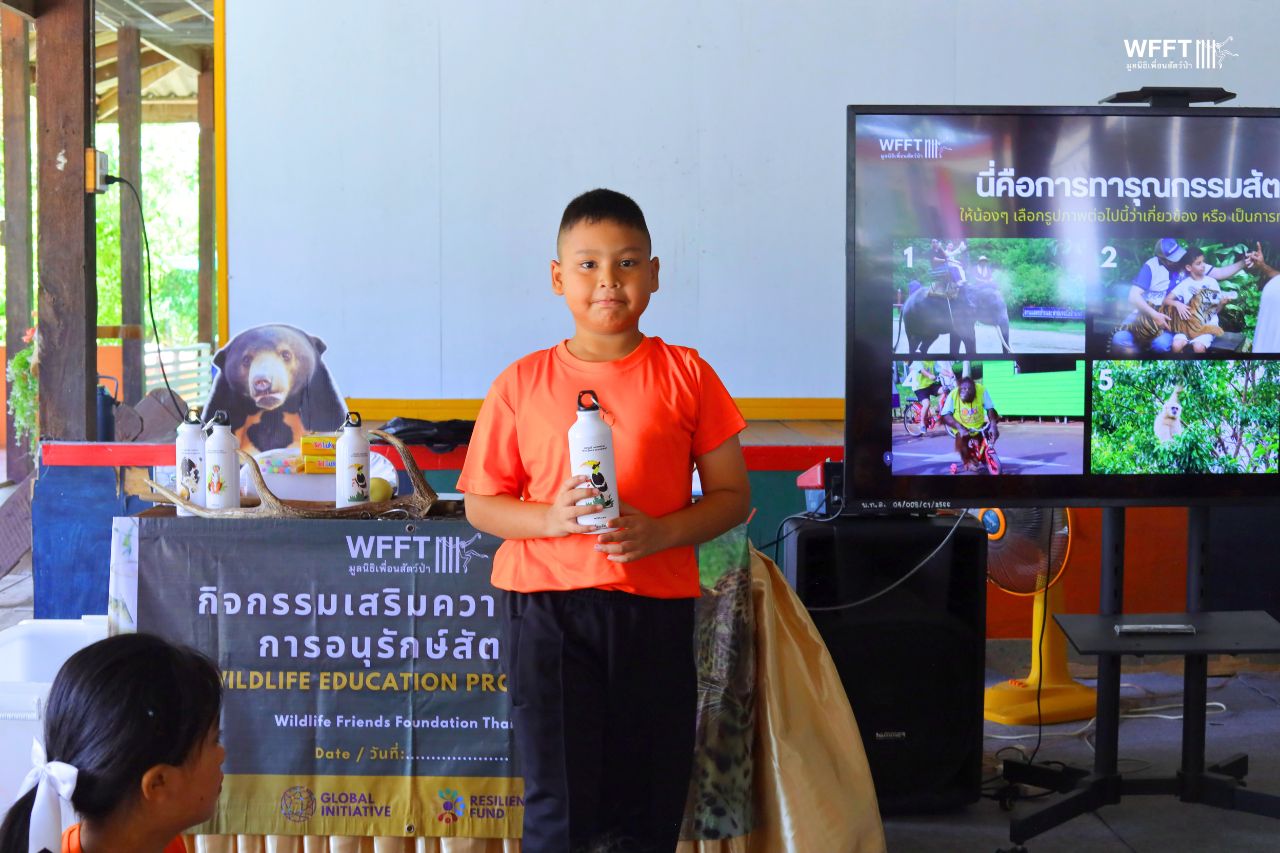
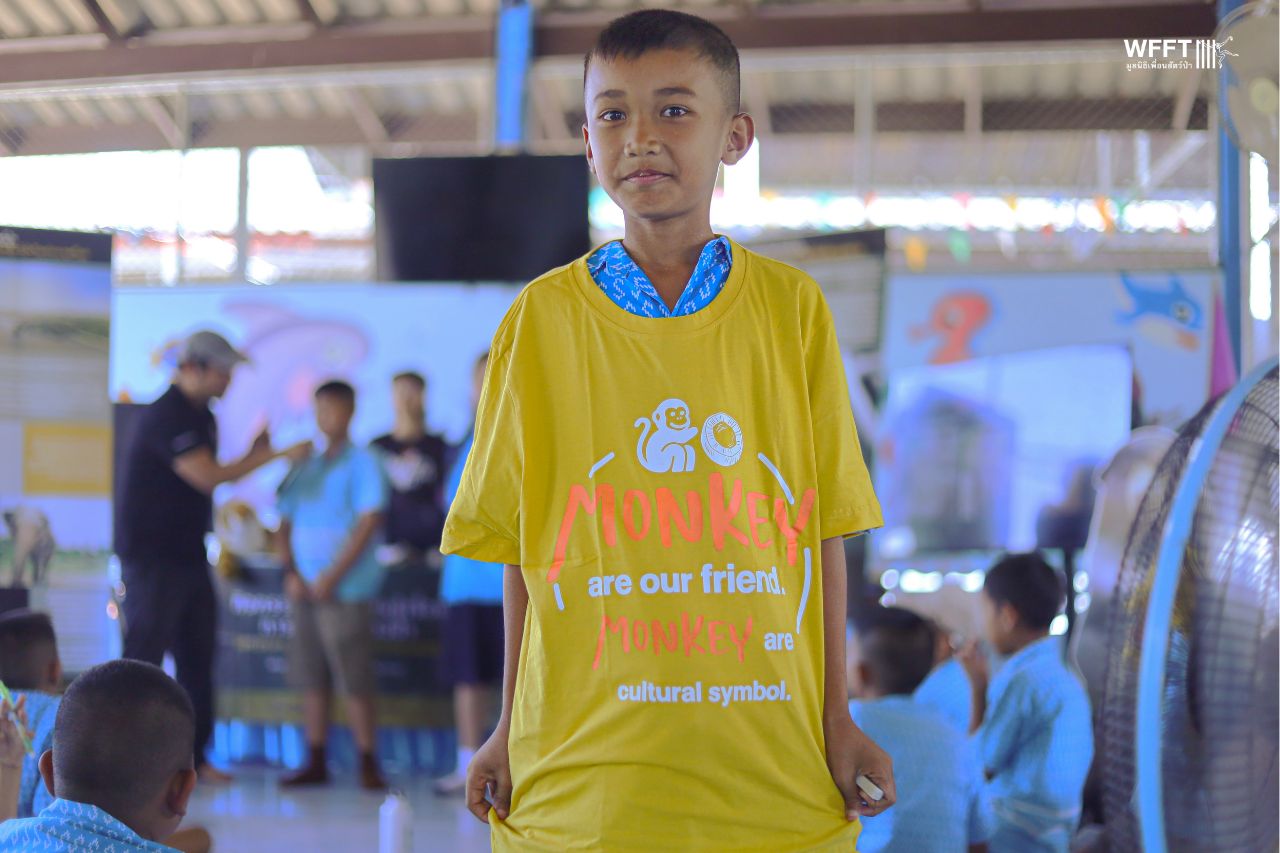
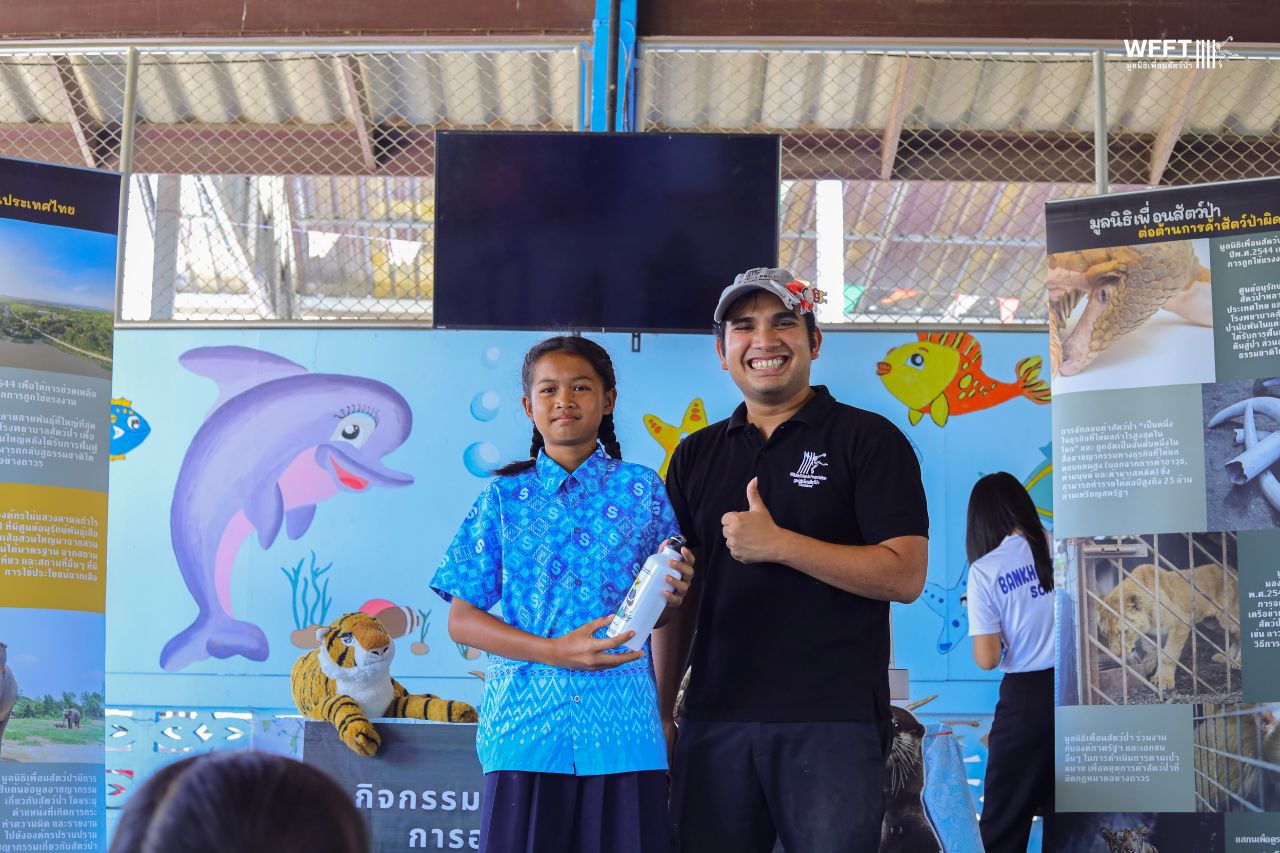
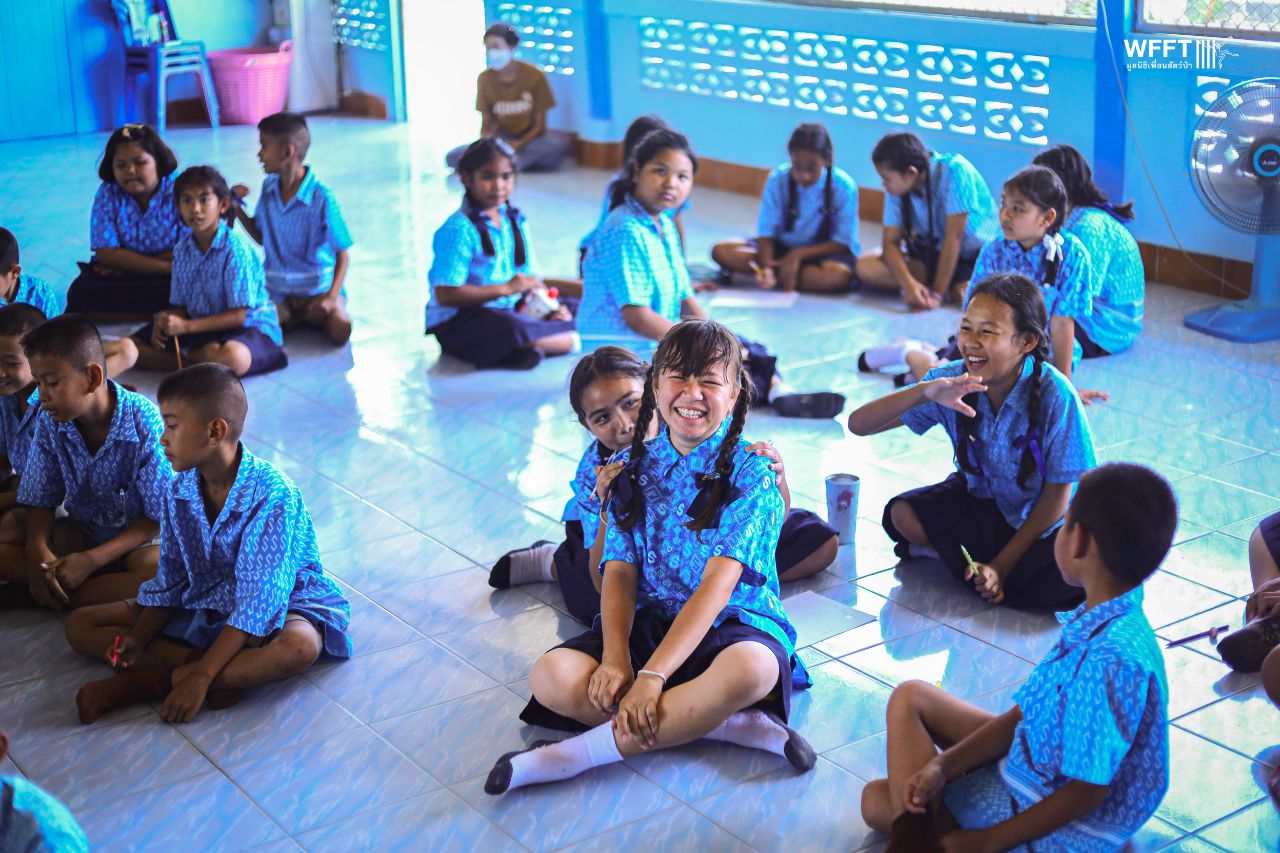
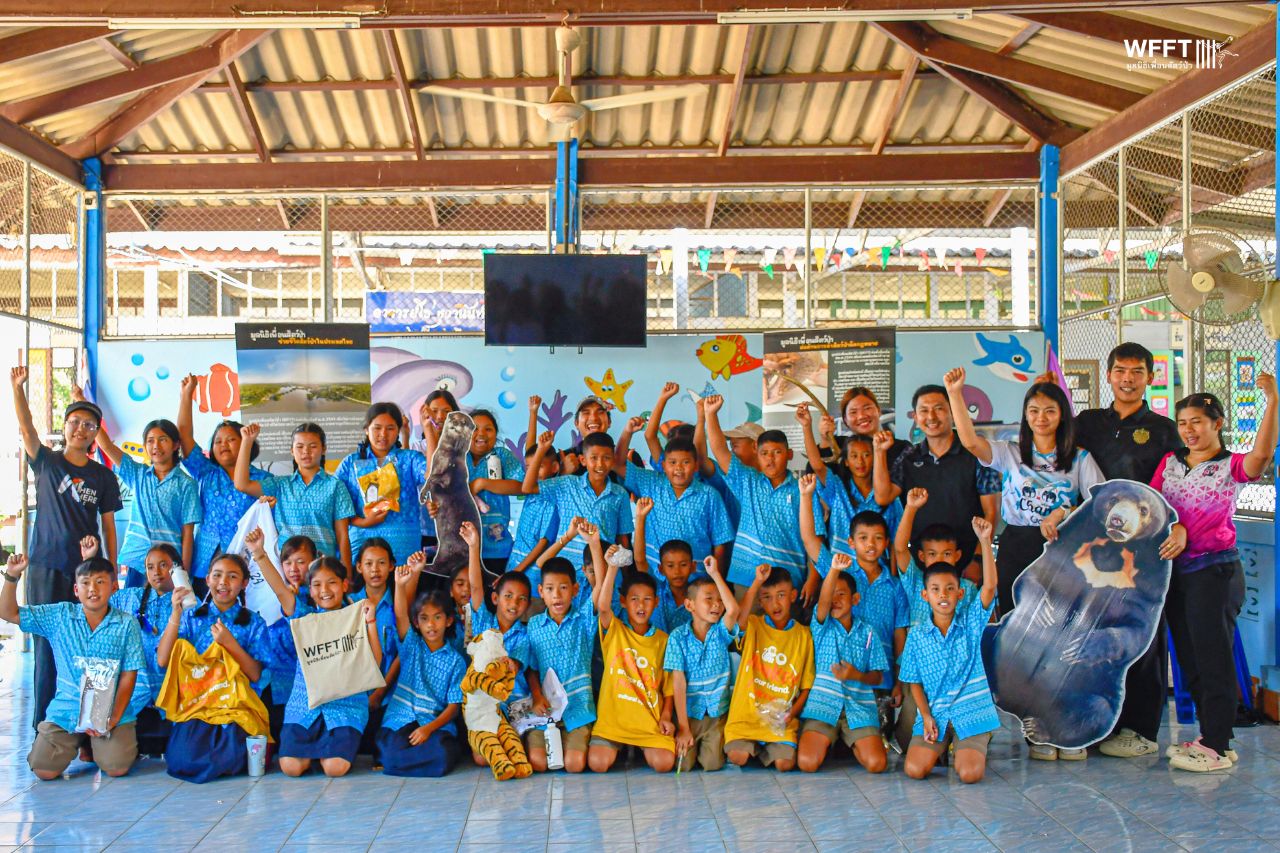
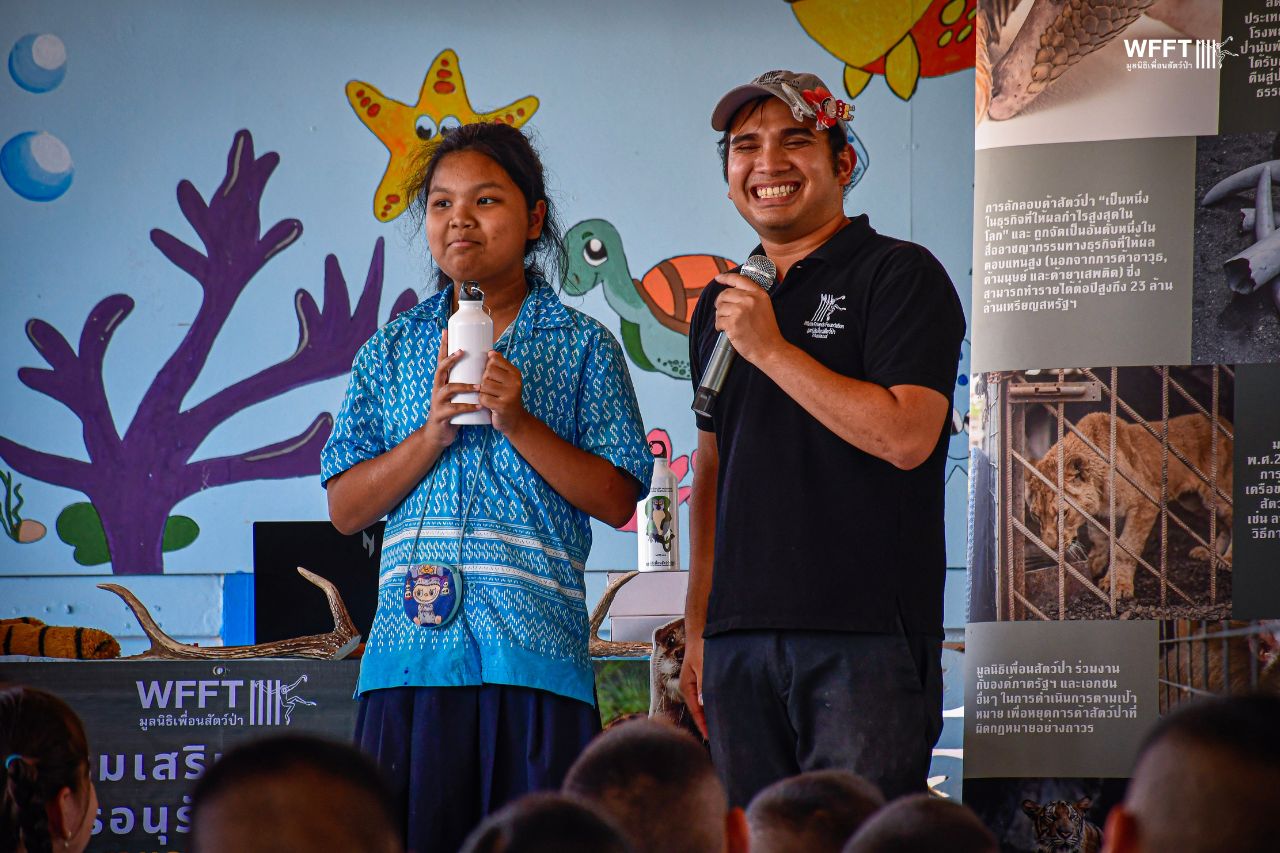
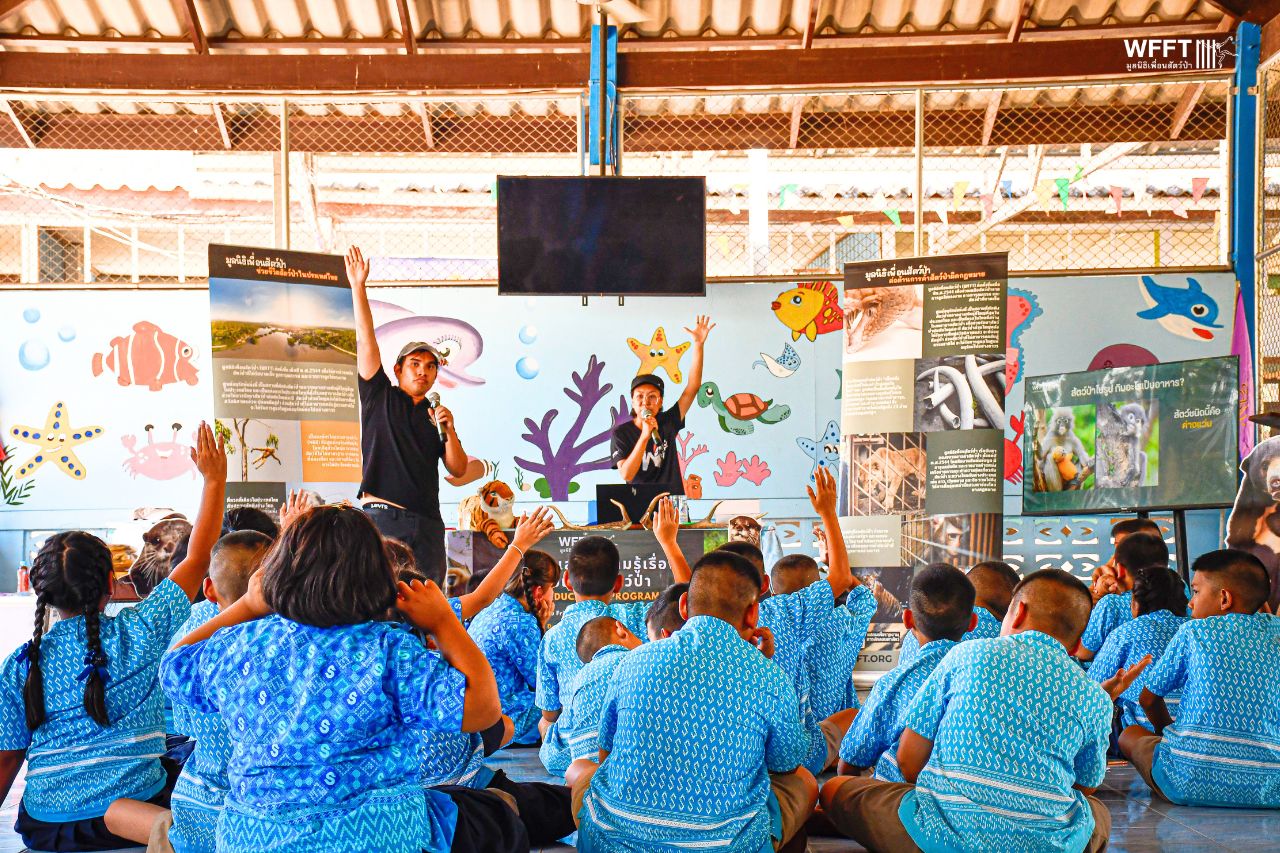
60 students aged 9–12 took part in a wildlife education session designed to deepen their understanding of wildlife and the challenges animals face today.
Through interactive activities and discussion, the students gained a clearer understanding of the differences between zoos and ethical wildlife sanctuaries, including how animals are cared for and the importance of prioritising their welfare.
By the end of the session, the students had a better understanding of the threats facing wildlife in the wild, including exploitation and the illegal wildlife trade. They were also encouraged to make a positive commitment to never support wildlife crimes and to become responsible advocates for wildlife in their communities.
Ban Khao Kra Puk School
Ban Tha Lo school
Related Posts